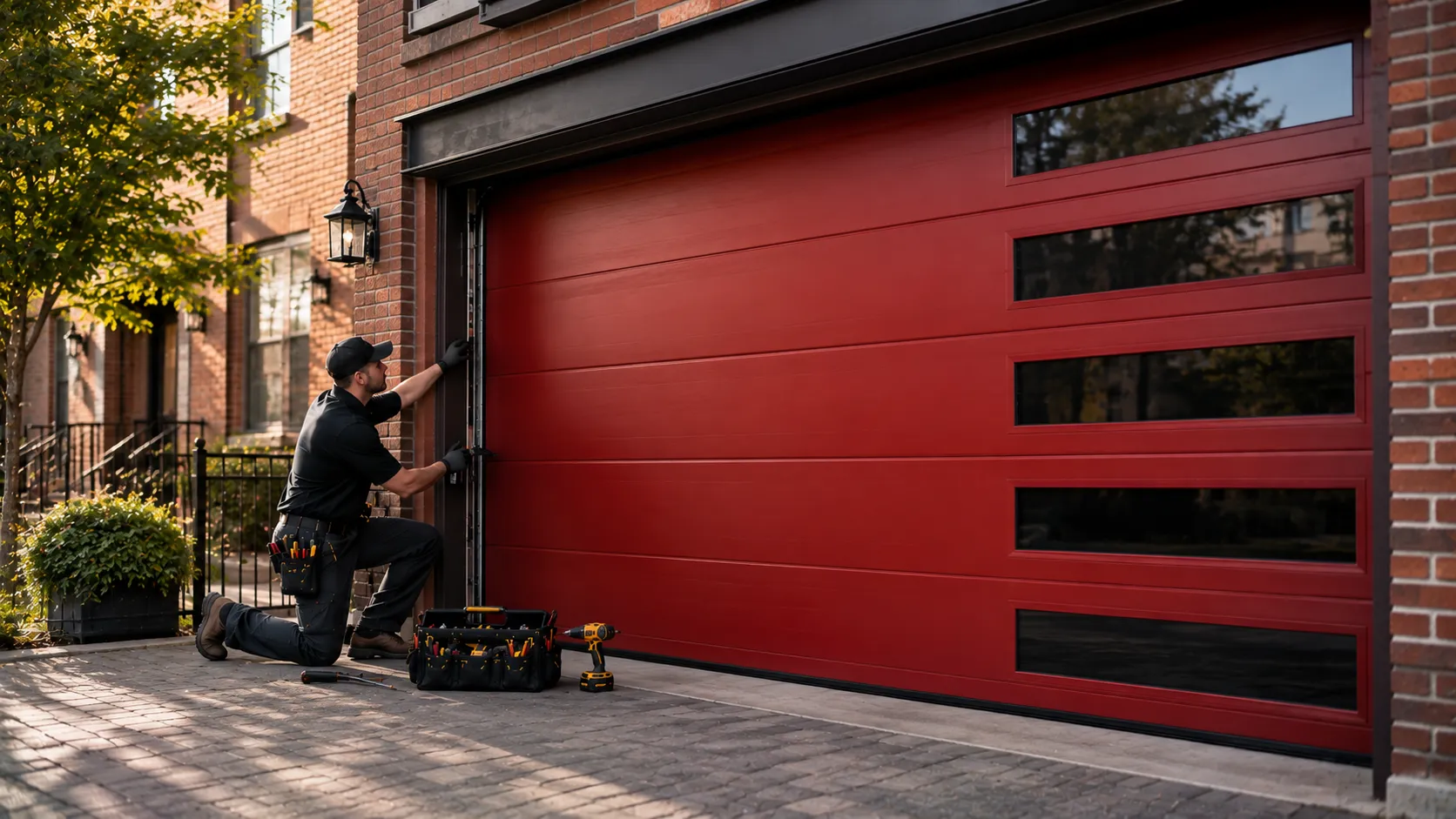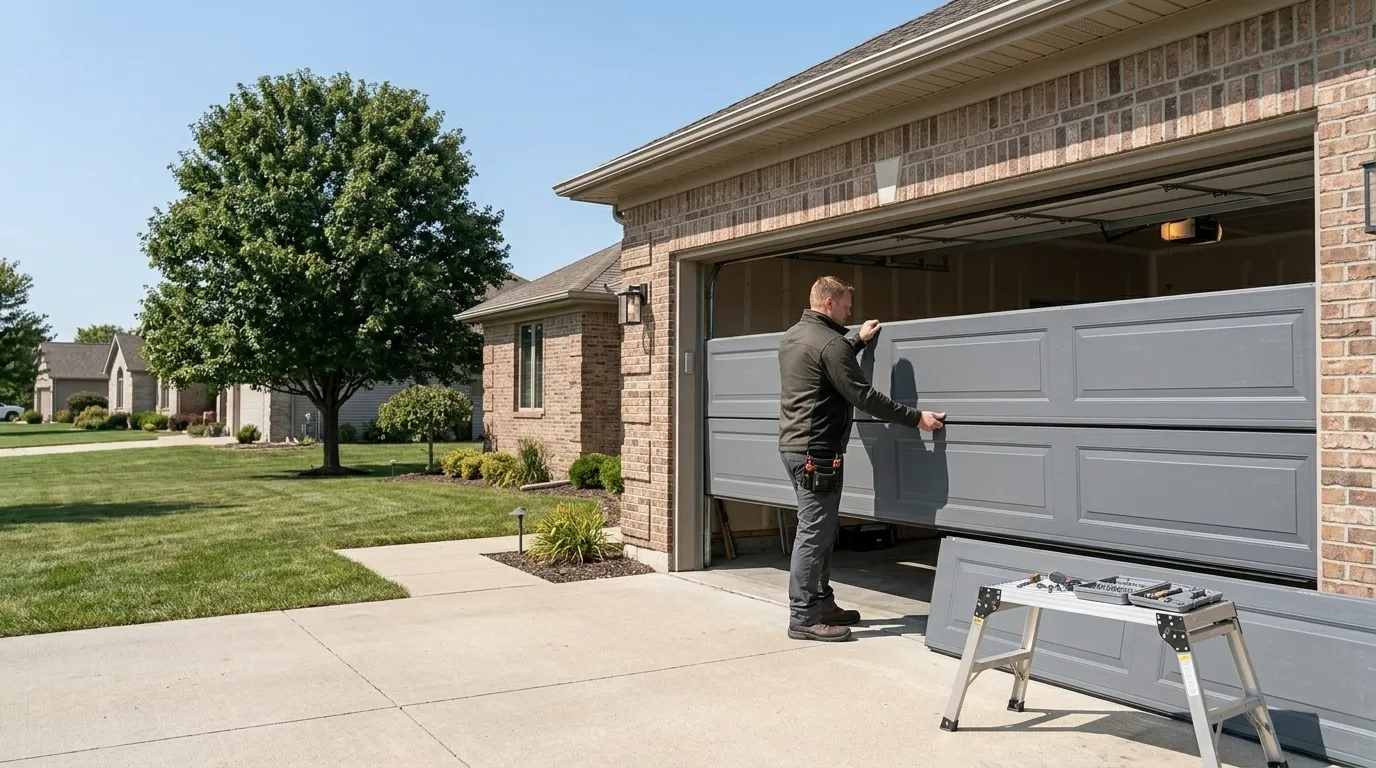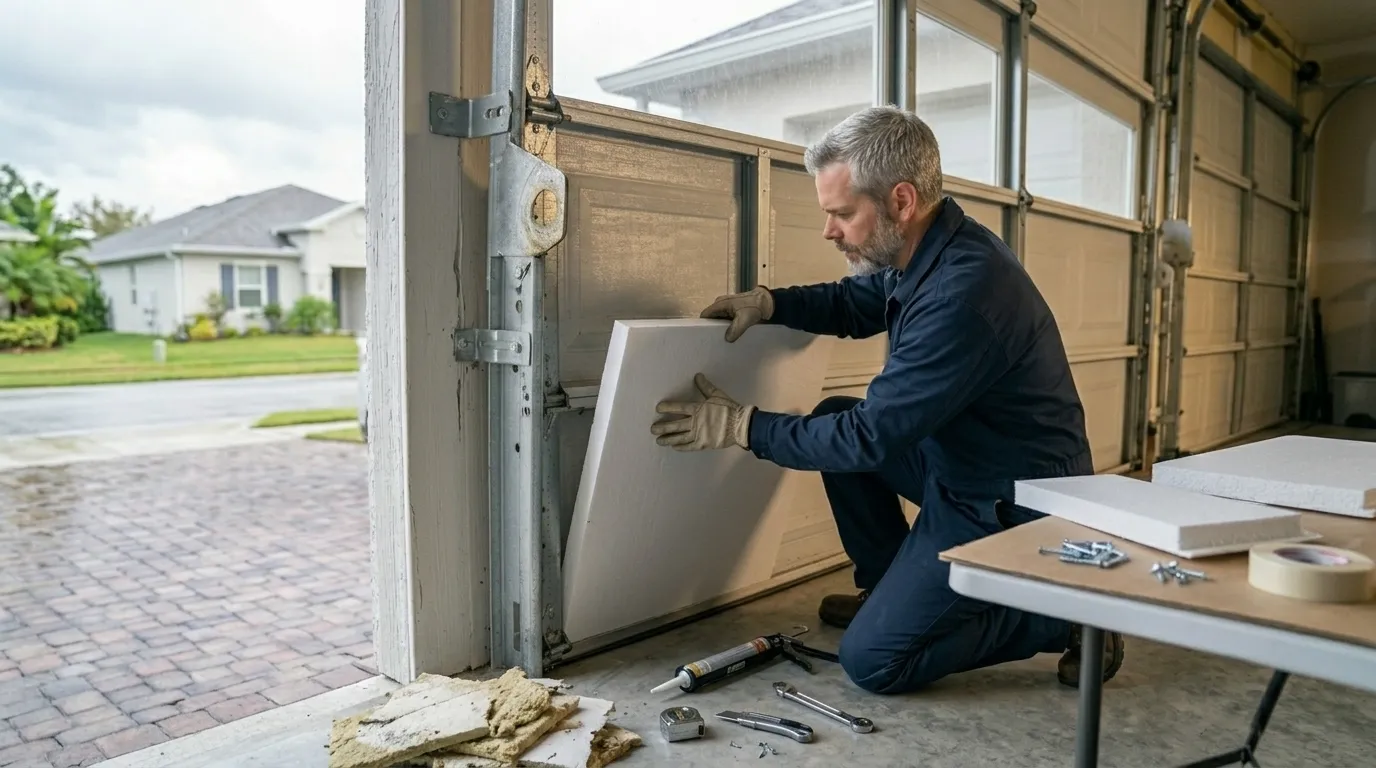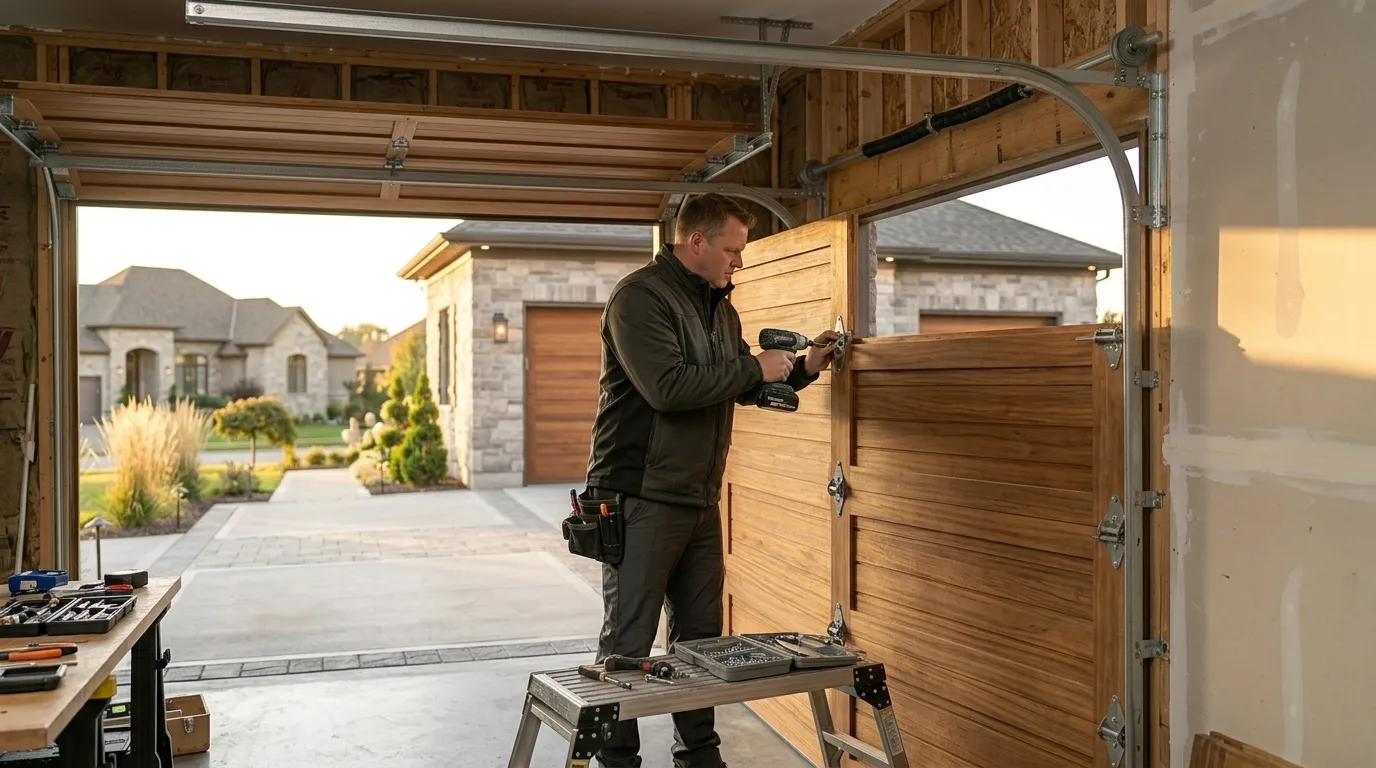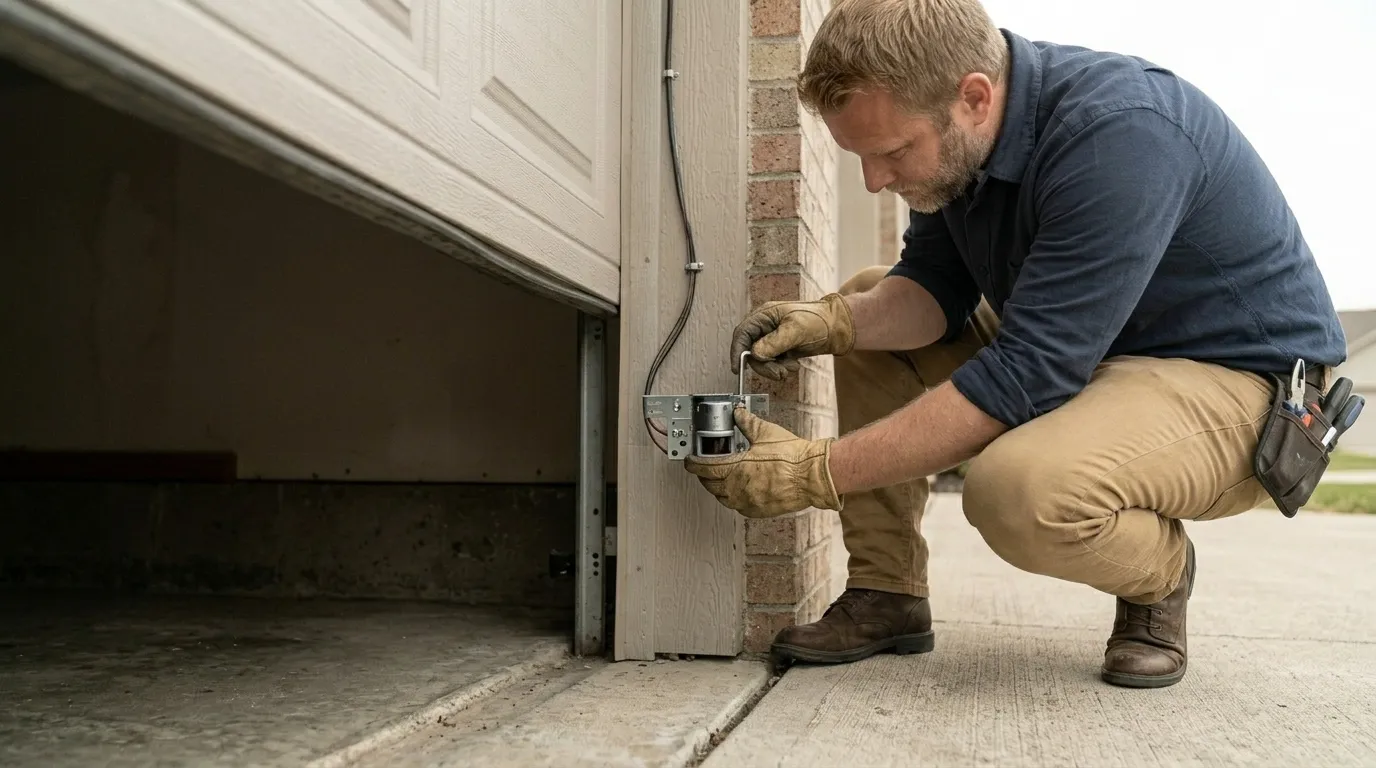
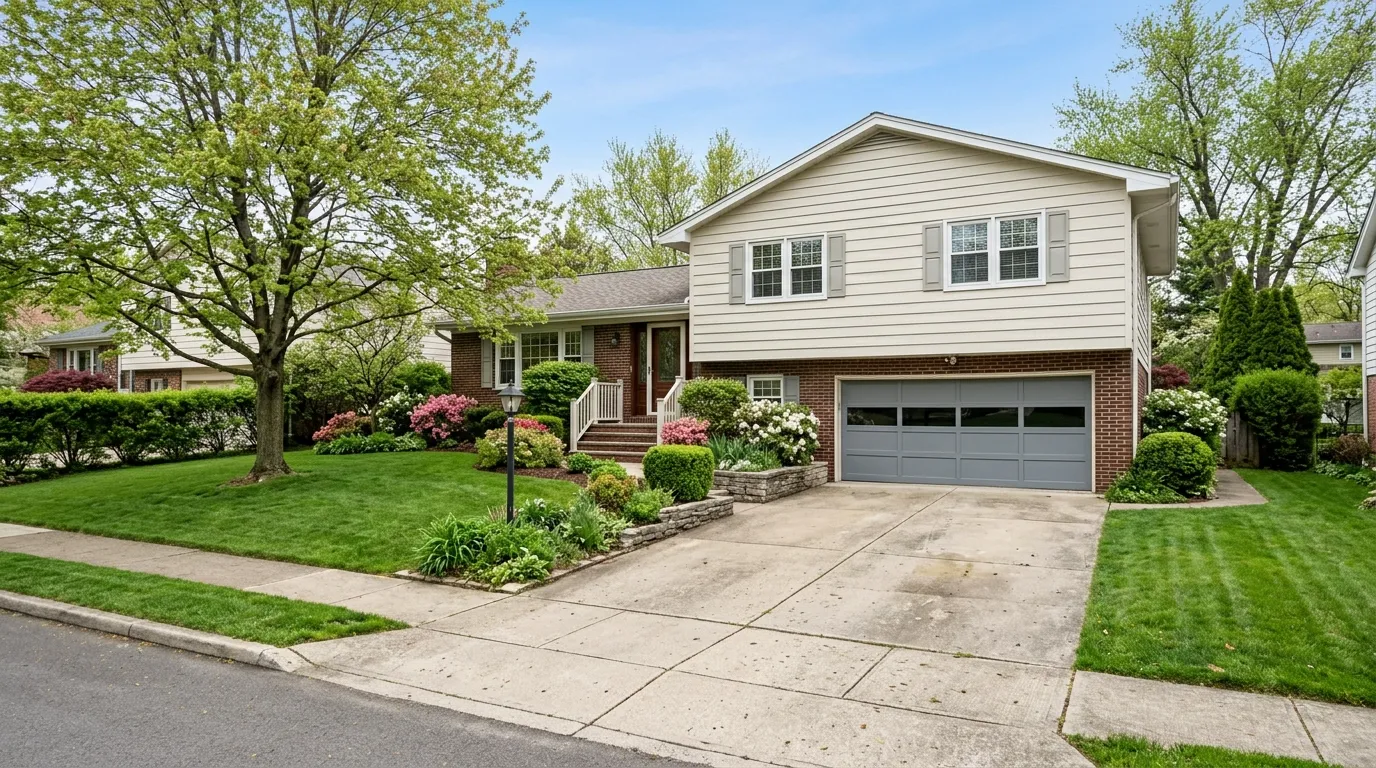
What You Are Seeing
Ammon is one of the bigger pieces of the territory we cover out of Idaho Falls - 6,142 households, a meaningful share of the roughly 10,269 households across the whole service area. That size matters because it means we see a steady run of spring calls here, and they tend to look the same for a simple reason: this is newer ground. The median home in Ammon went up around 2003, a couple decades past the service area's overall median of 1976, where most of the stock dates back to the 1960s and 70s.
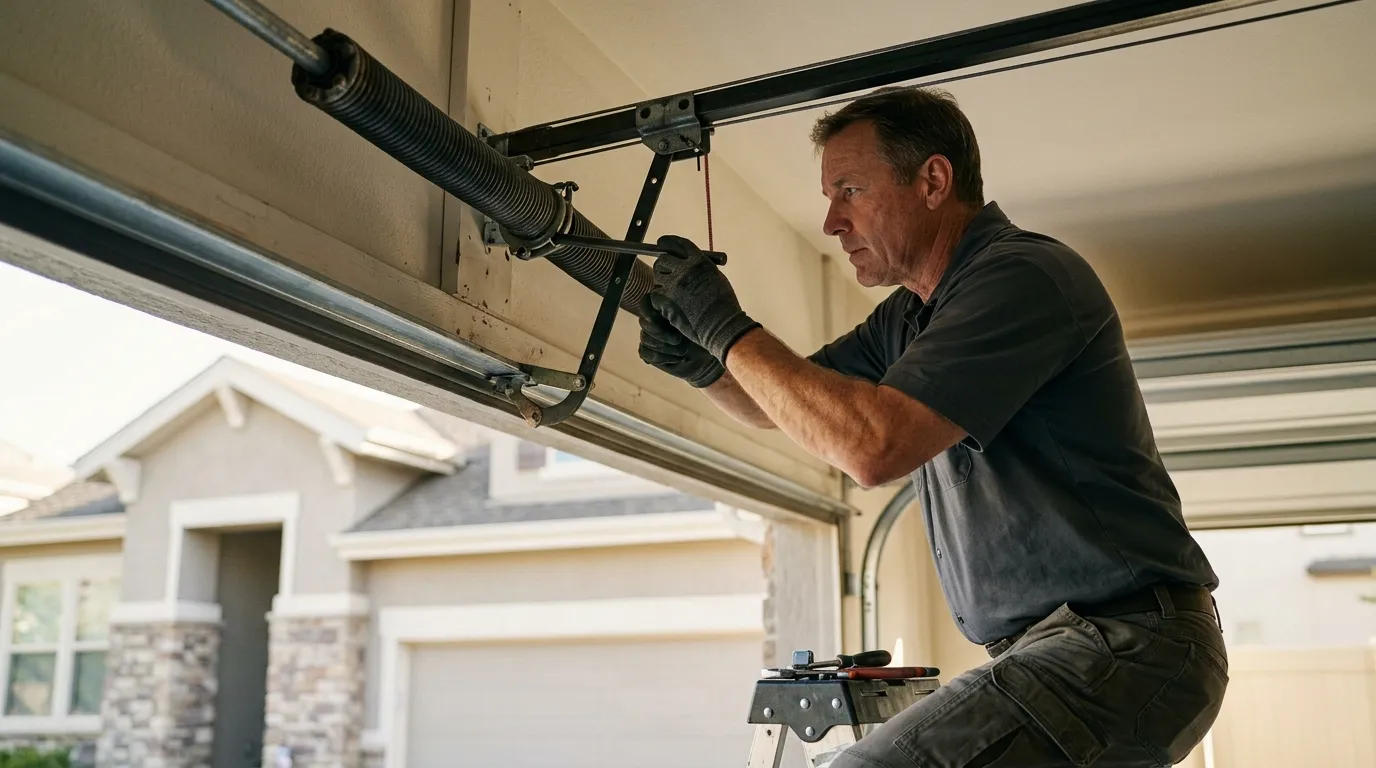
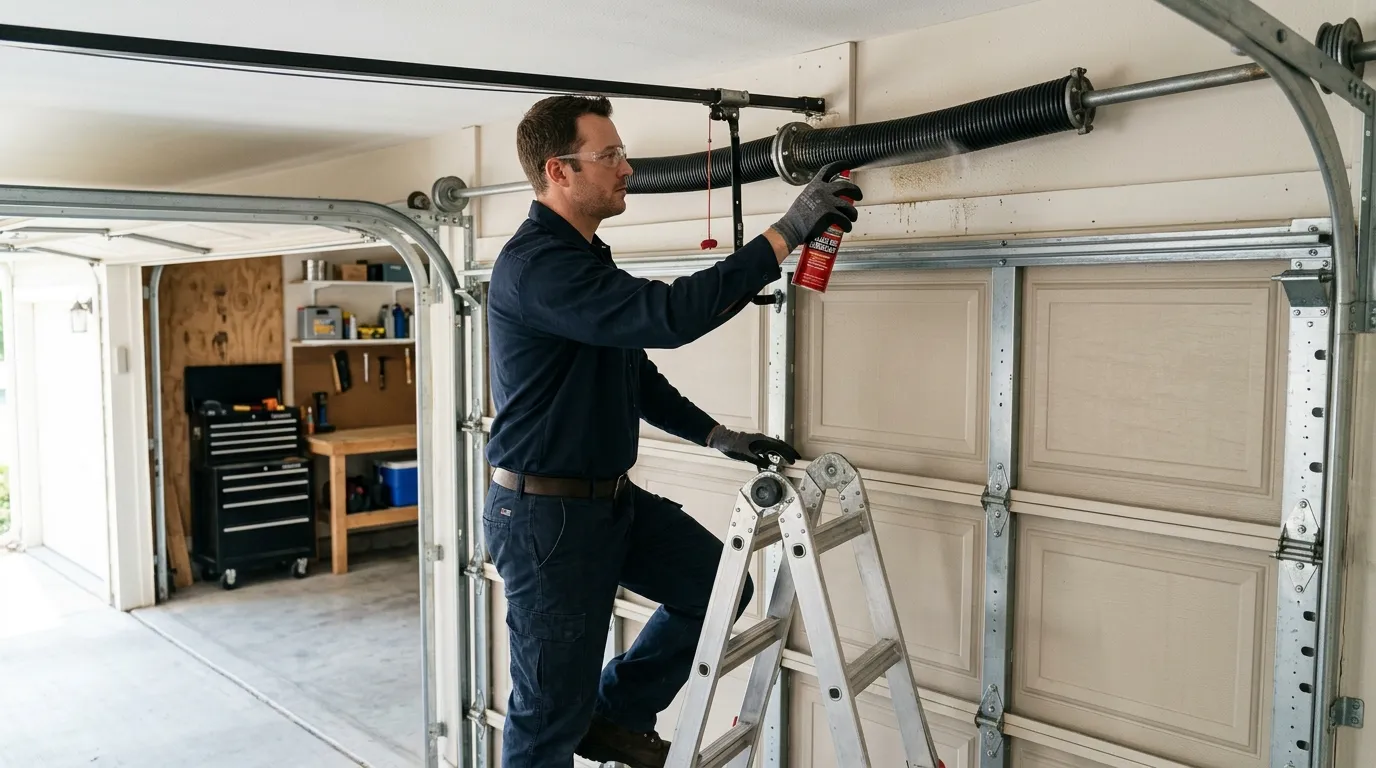
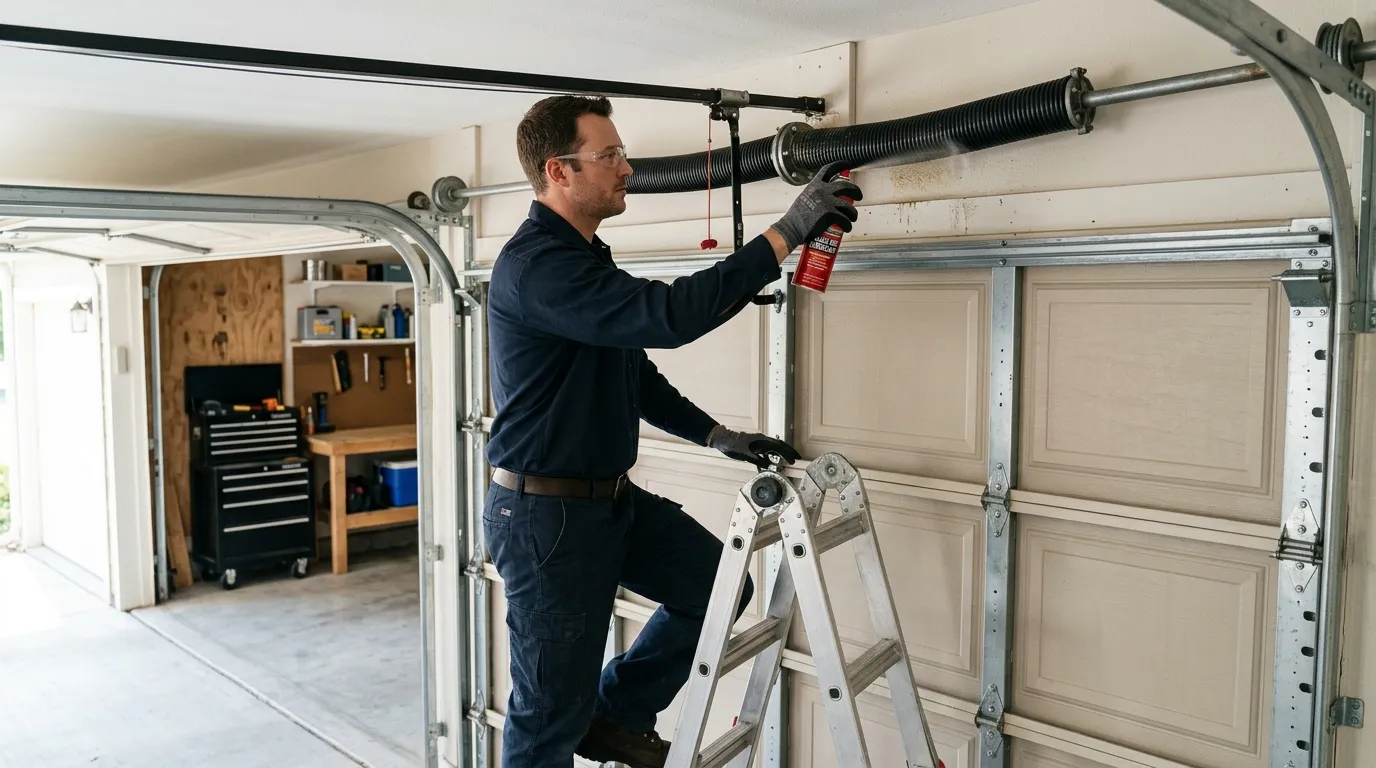
What that means on the ground: fewer of the old single-spring extension setups you find on older doors elsewhere in the area, and more factory-installed torsion systems, often dual-spring on the wider double-car openings that got built standard in early-2000s subdivisions. When a spring lets go here, it's usually one side of a matched torsion pair that's worn out on cycle count, not a jury-rigged extension spring somebody bolted on after the original gave out thirty years ago. The failure mode is more predictable, which is good news for how fast we can size the fix.
How Long It Takes
A torsion spring swap on a standard double door, once we're on site with the right wire size and inside diameter, is a same-visit job - no return trip for parts on the common sizes. Because Ammon's stock skews newer and more uniform, the spring specs run more standard than they do on older, mixed-era doors elsewhere in the area, which cuts down on guessing at hardware before we load the truck.
Where it takes longer: if the opener's travel limits or force settings were tuned around the old spring tension, we reset those after the new spring goes on, and that's a few extra minutes, not a second visit. Cold weather in this climate band stiffens grease and shortens patience, so on the worst days we build in a little more time for the door to settle and recheck the balance before we call it done. We don't rush that check - a door that's off-balance right after a spring job comes back to bite you within weeks.
Why This Fails Locally
Springs fail on cycle count, not calendar age, but cycle count and build era interact. A torsion spring rated for a standard number of open-close cycles wears out faster on a door that gets used more - and newer subdivisions built after 2000 tend to have more multi-car households running the door several times a day. Ammon's median household income, at $84,154, runs well above the service area's overall $64,273, and higher-income households in newer construction commonly run two vehicles and an opener that gets worked hard.
Cold is the other half of it. This whole service area sits in a severe cold climate band, and low temperatures make steel more brittle right at the moment a worn spring is already near its failure point - which is why so many spring failures here land on the coldest mornings of the year, not gradually. On Ammon's newer torsion doors, that usually means one spring of a dual-spring pair snapping while its twin is still fine, which is a different repair than the single-spring failures you get on much older doors.
The Cost of This Job
We don't have a set price to quote here - it depends on whether it's one spring or a matched pair, the wire gauge and length the door calls for, and whether the drums or cables need attention at the same time. What we can say: because Ammon's torsion systems run more standard sizes than the older mixed stock elsewhere in the area, the parts side of the estimate is usually straightforward once we've got the spring's specs off the door or the manufacturer's plate.
One honest limit: if a door is old enough, or the track and rollers are worn enough, that a spring replacement is just the first of several repairs waiting behind it, we'll say so rather than replace the spring and let you find out about the rest a month later. On a 2003-era door in good shape, that's rarely the case - but we still check the whole system, not just the part that broke, before we call the job done.