What You Are Seeing
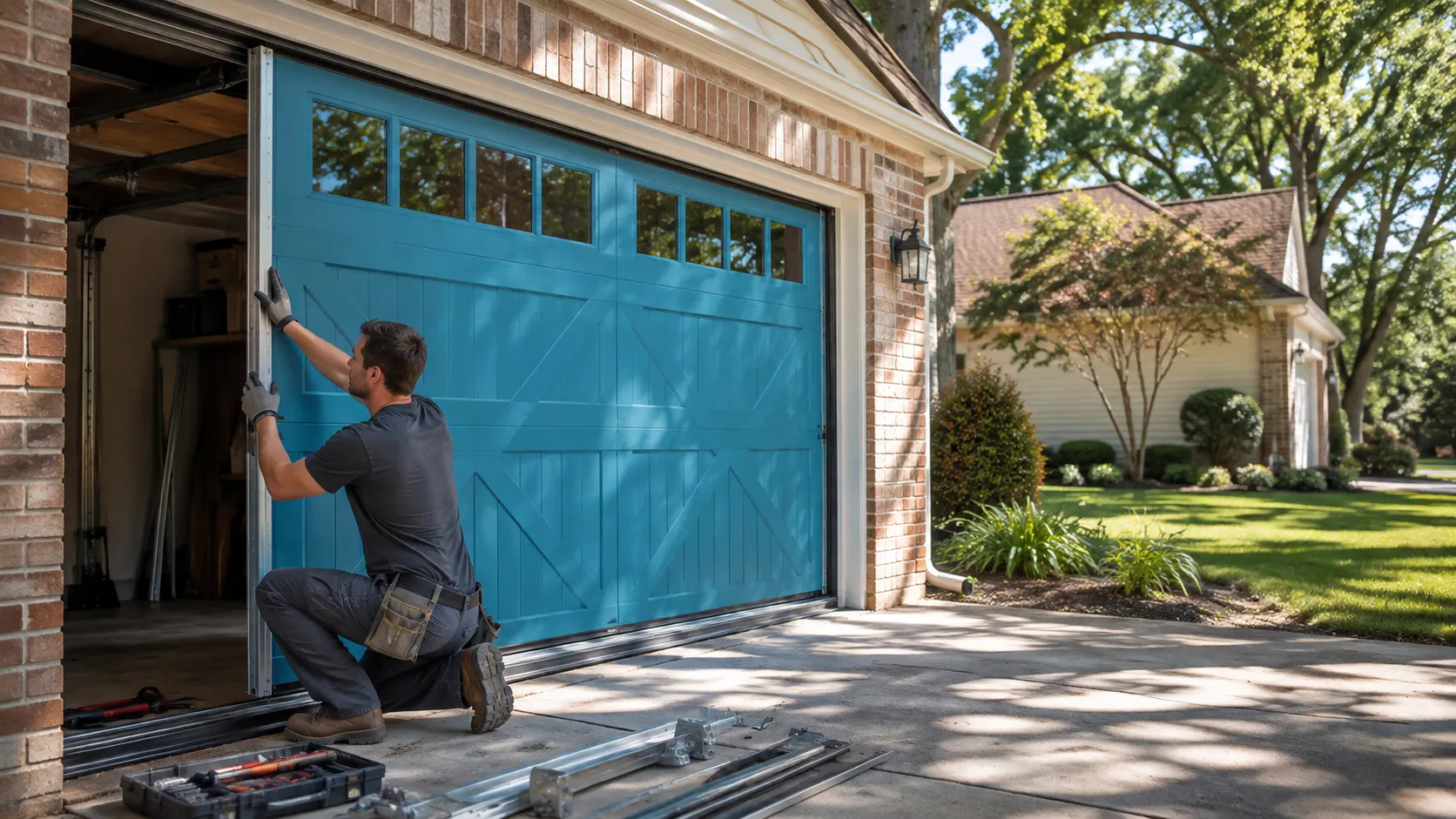
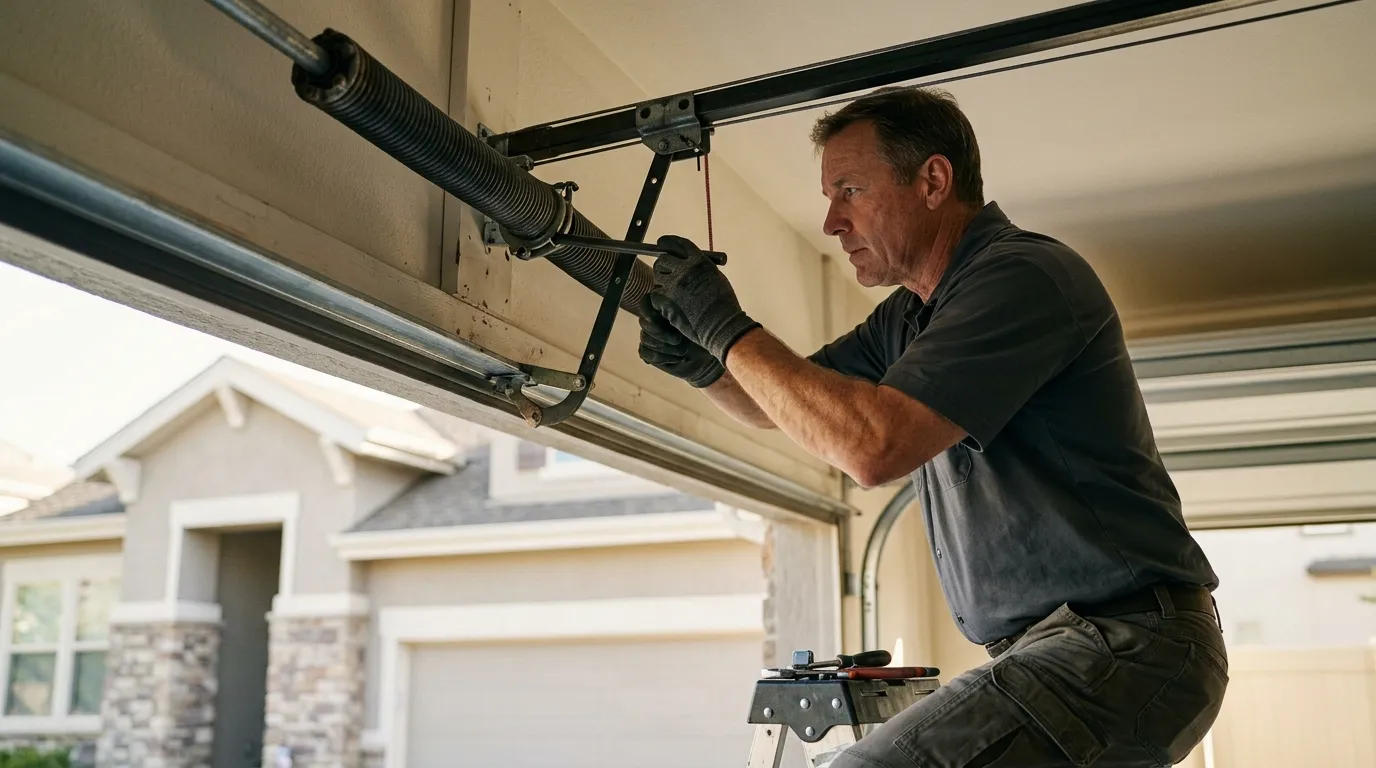
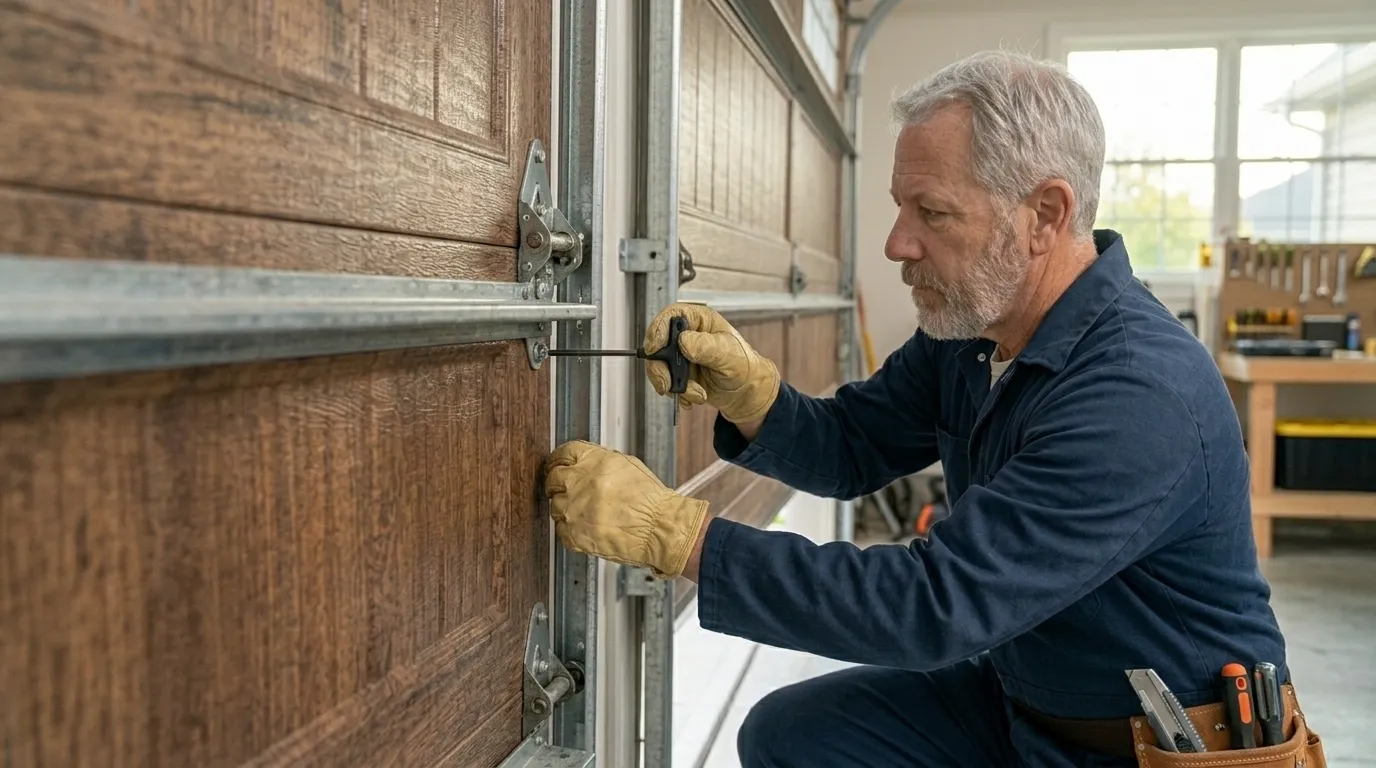
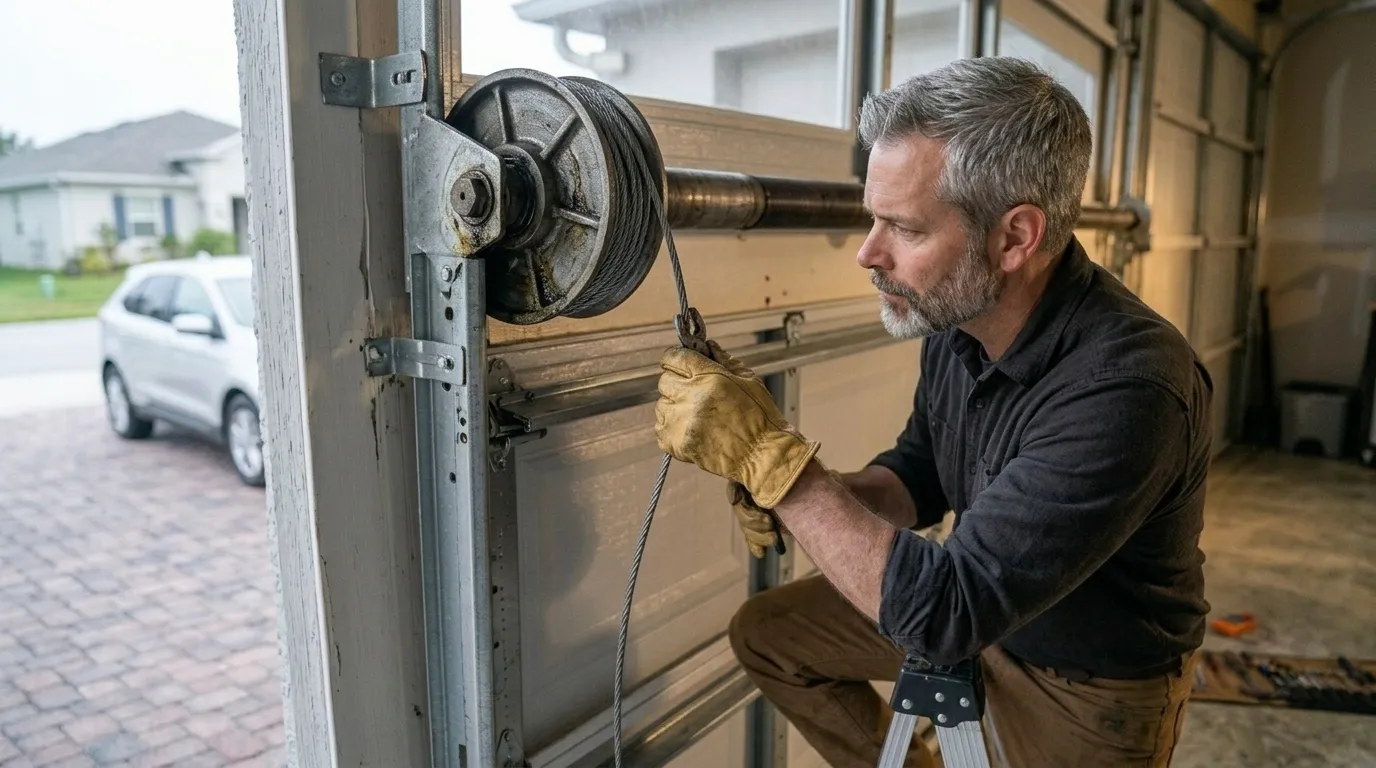
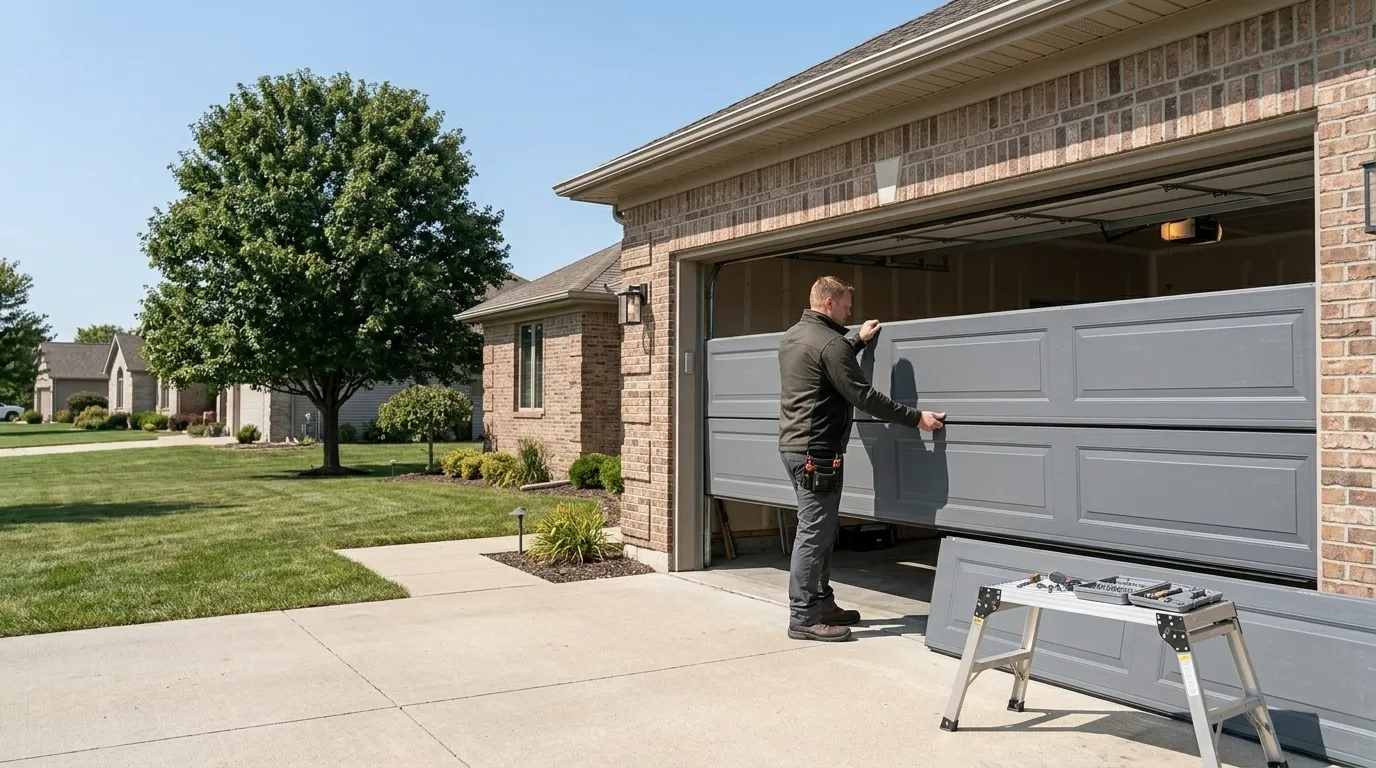
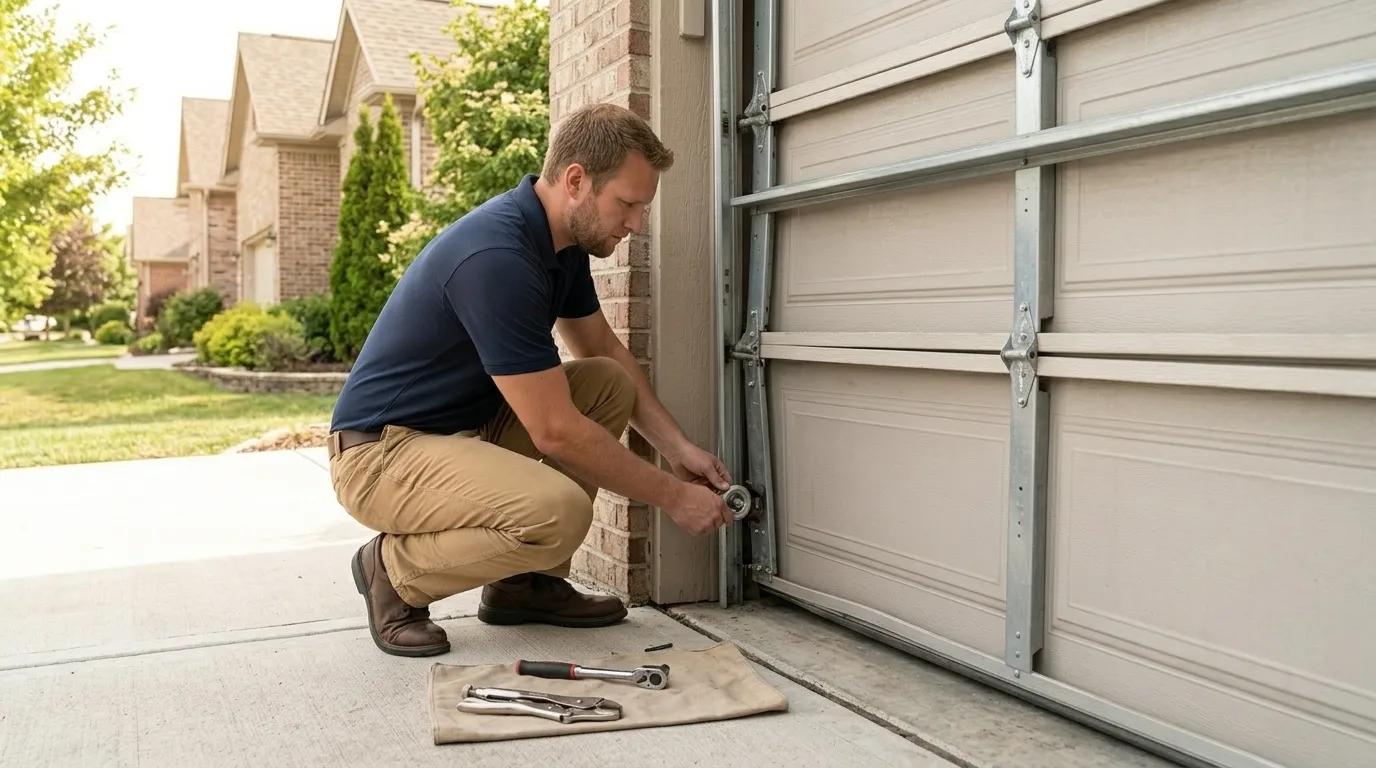
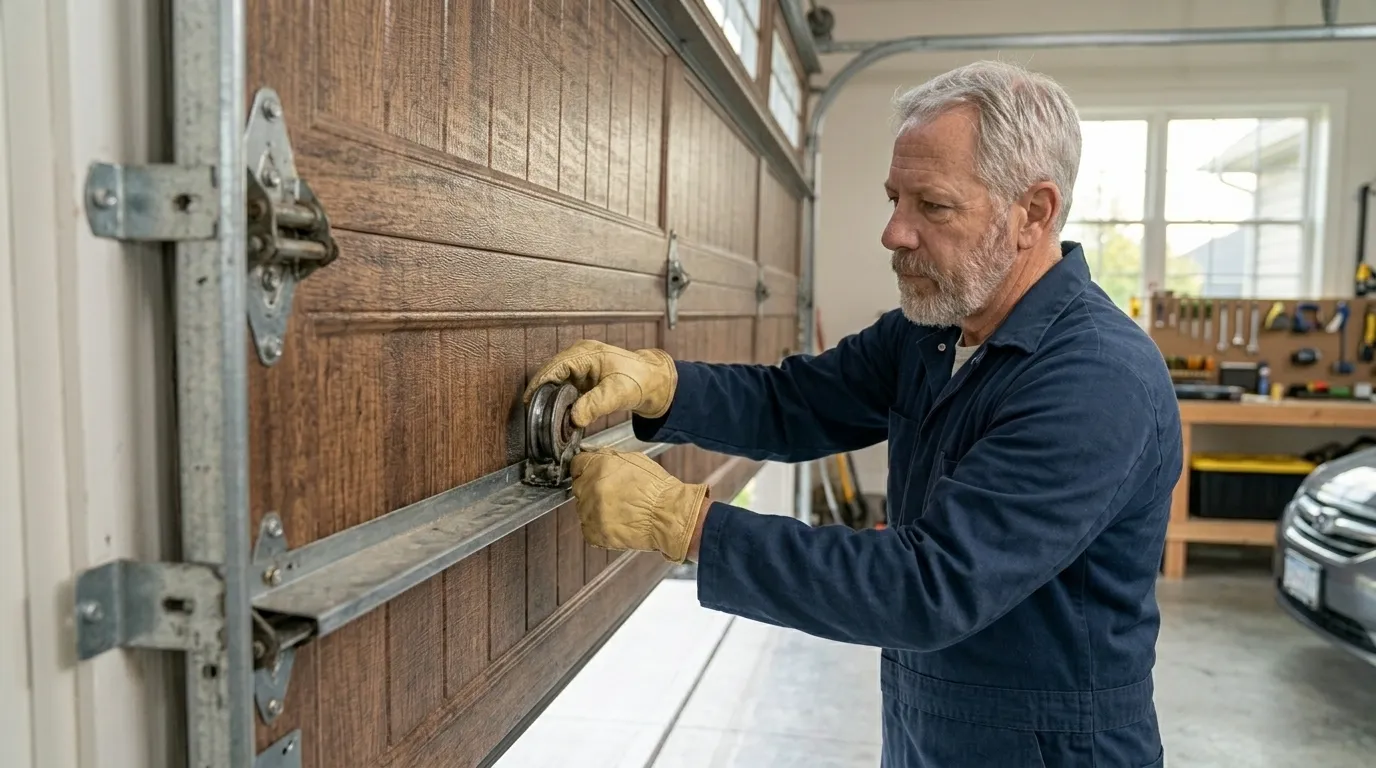
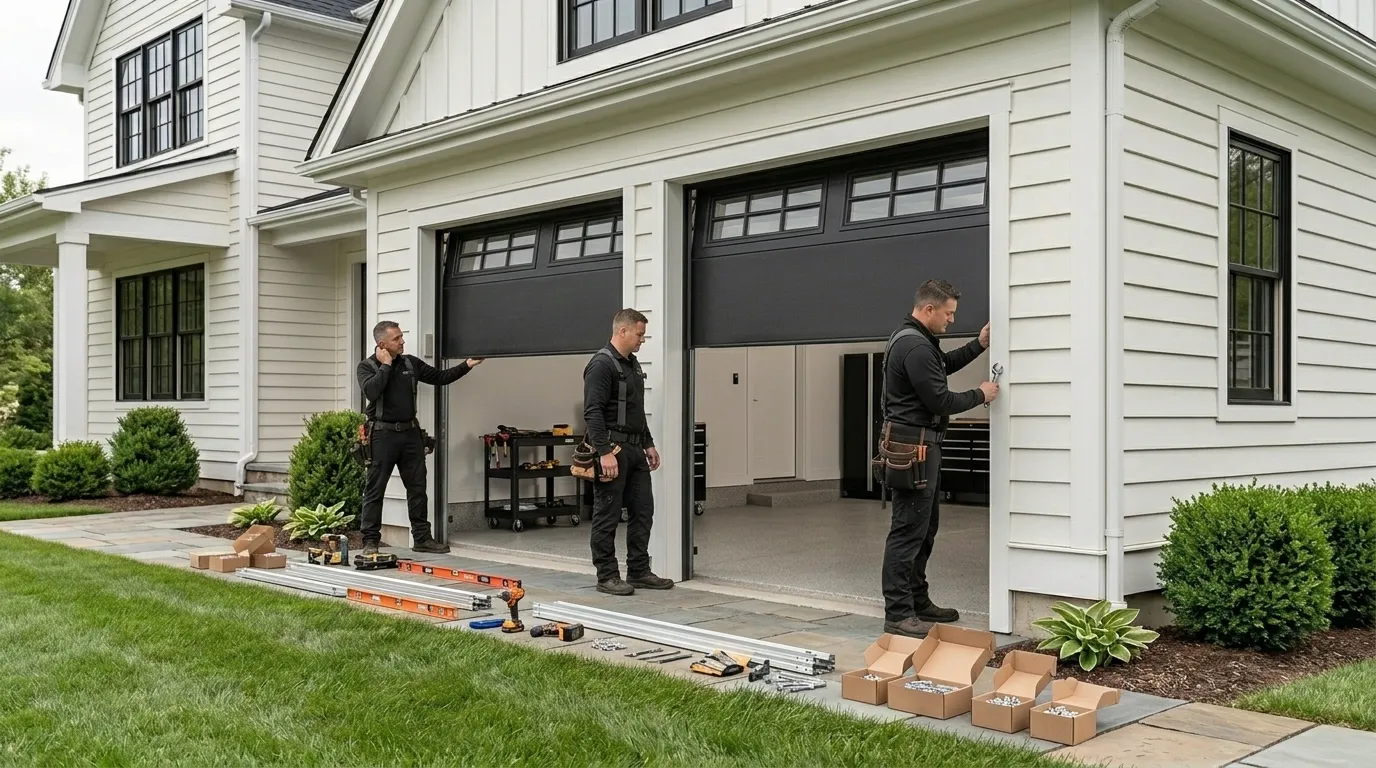
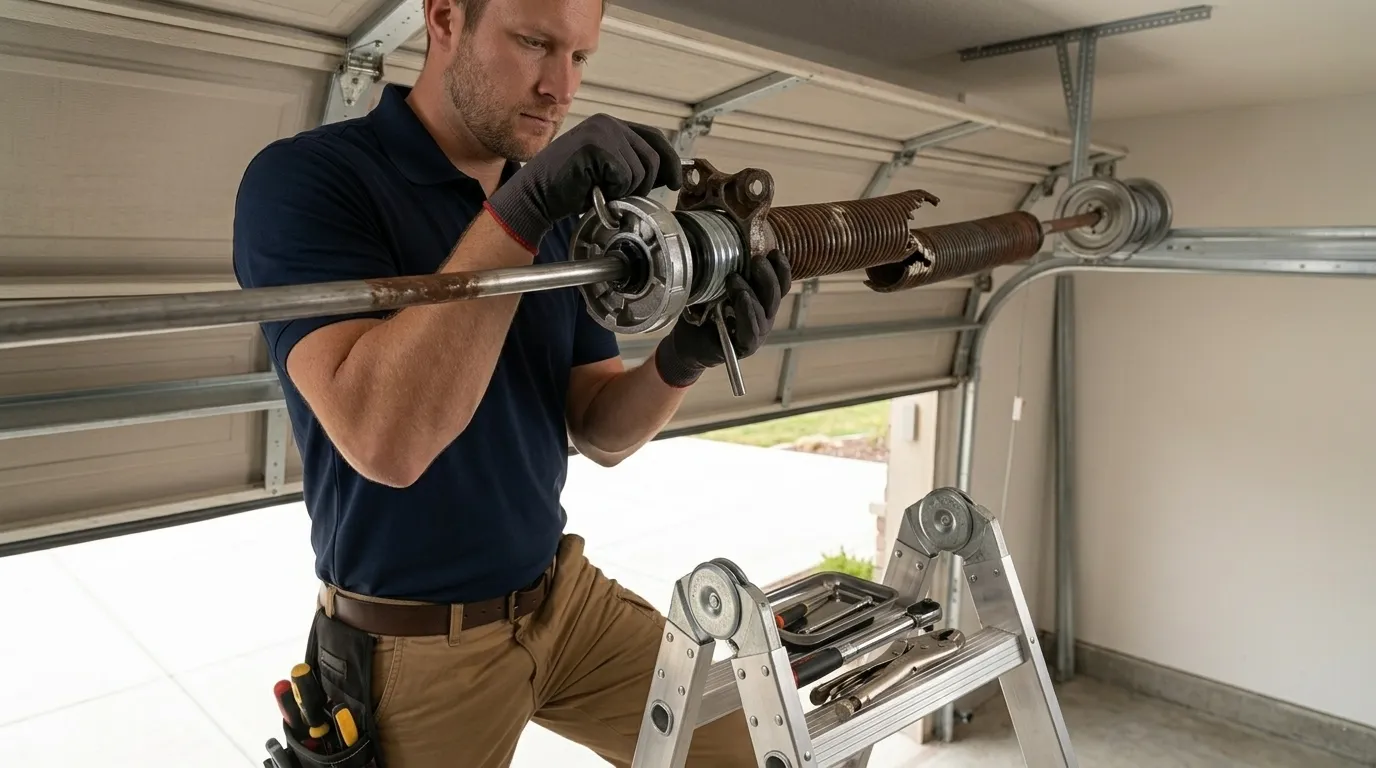
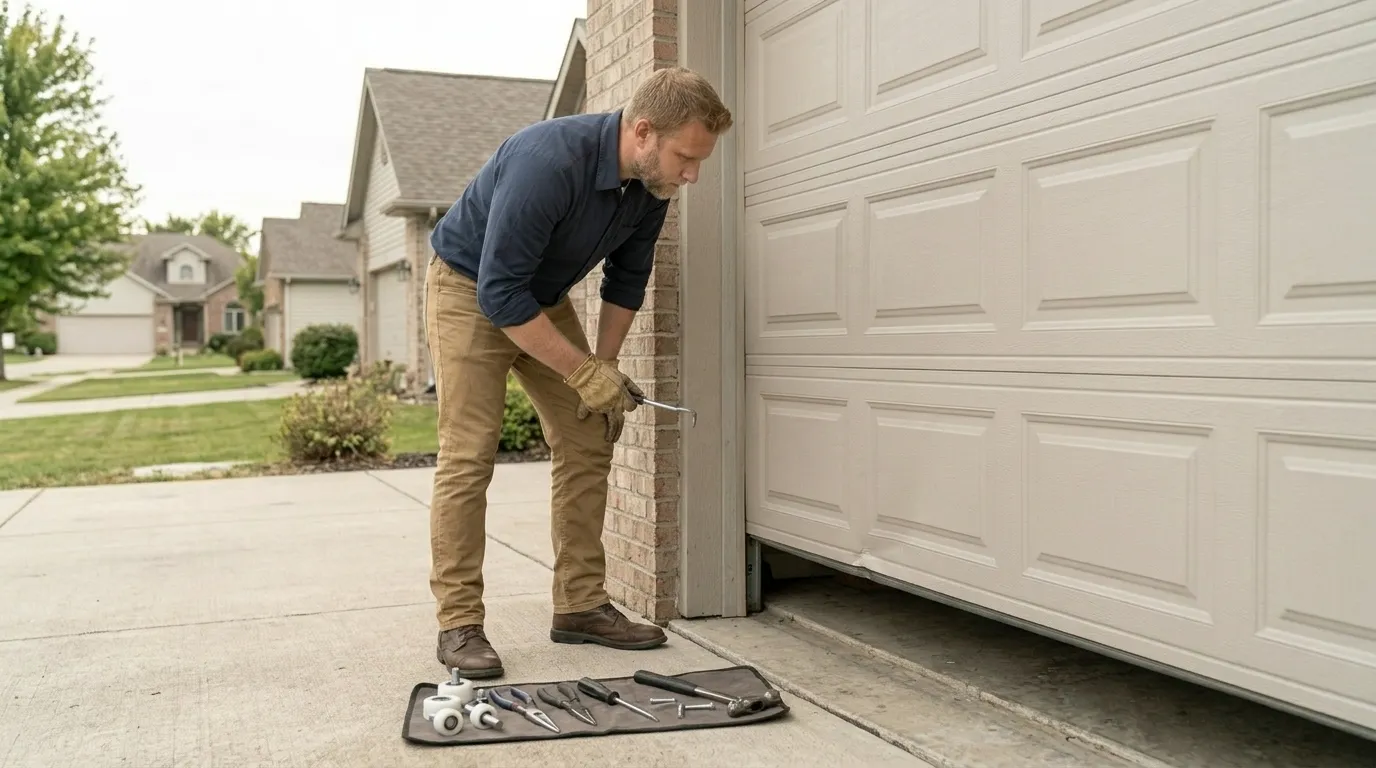
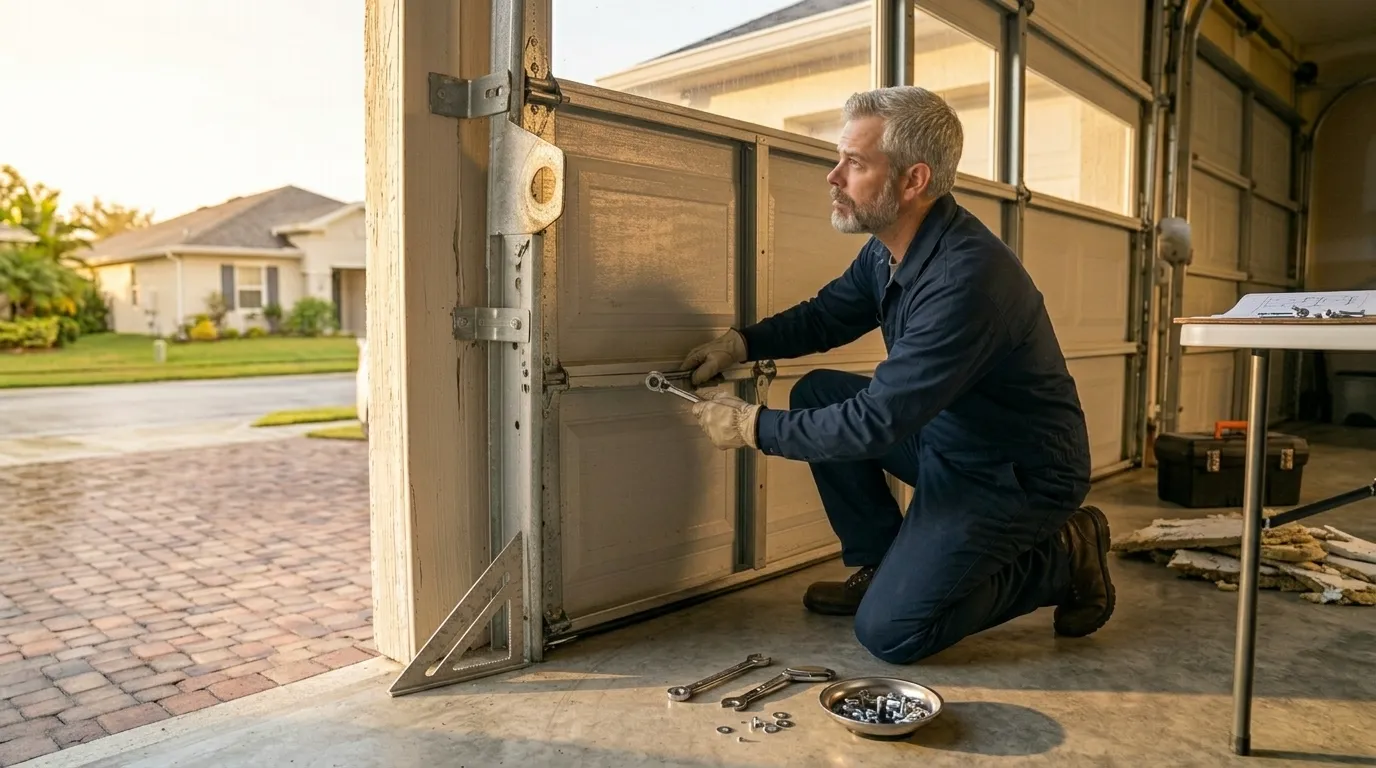
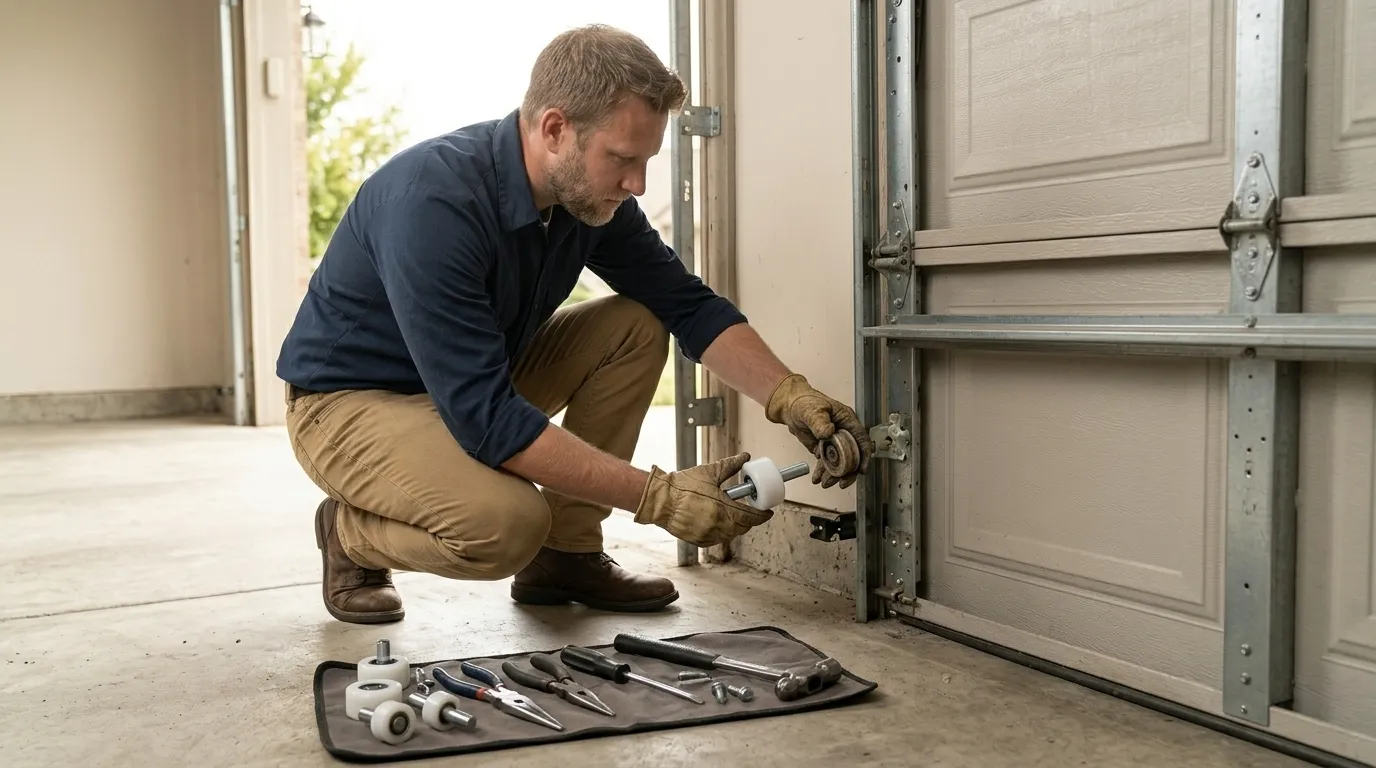
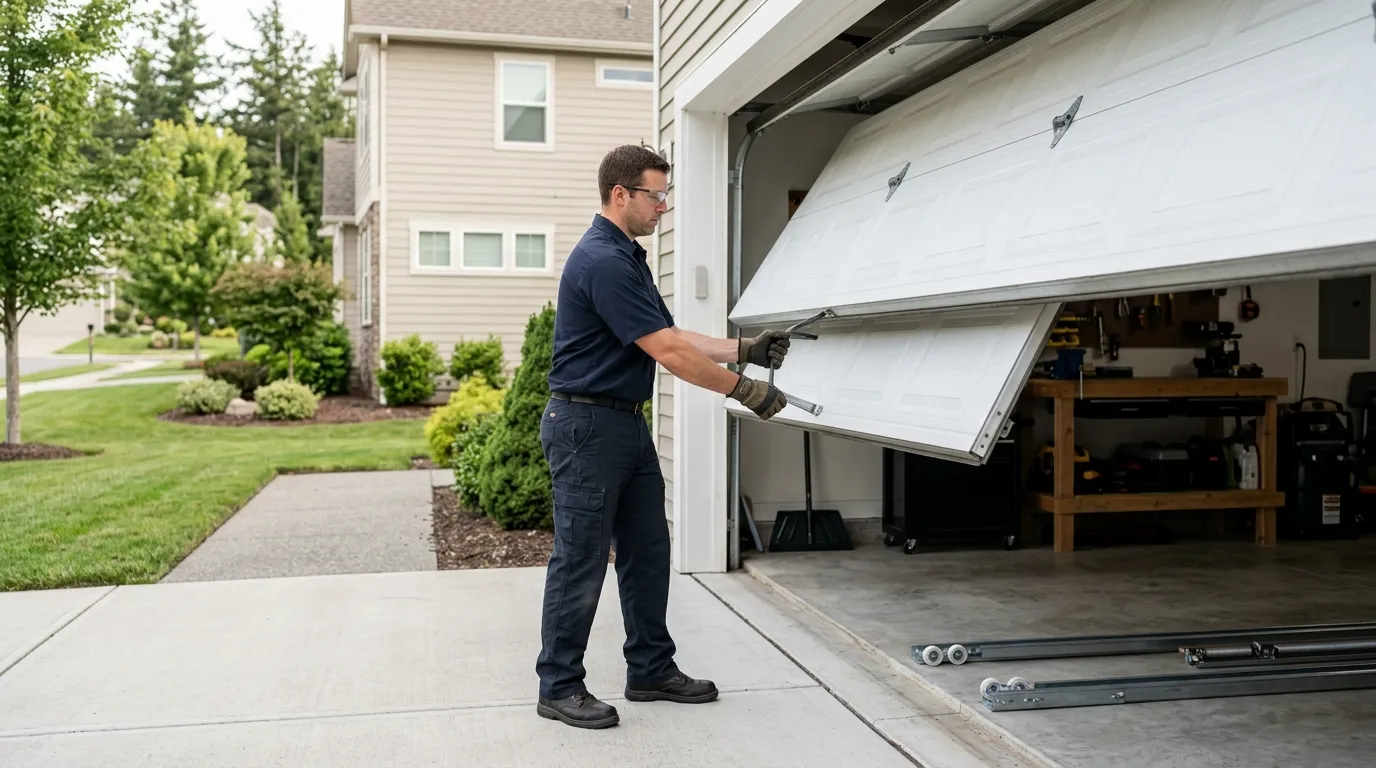
You go to hit the wall button and the door hesitates, groans, or stops halfway with the opener motor still humming. Maybe the door closes crooked, one side dropping faster than the other. Maybe there's a grinding noise on the way up that wasn't there last winter. None of this is random. On a door that's had no maintenance in a year or more, it's usually the same short list: dry or gummed-up rollers, a torsion spring losing tension, hinges working loose from repeated cold-to-warm cycling, or track bolts that have backed out from vibration. Most of the houses in this area were built between 1963 and 2003, with a lot of that stock going up in the 1960s and 70s across the five main neighborhoods here. Doors and openers of that vintage were not built to run maintenance-free for decades, and a lot of them are still running on original or first-replacement hardware. What you're seeing is wear that's been accumulating quietly, and it shows up as a sudden problem because the last part holding things together finally gave out.
Why This Fails Locally
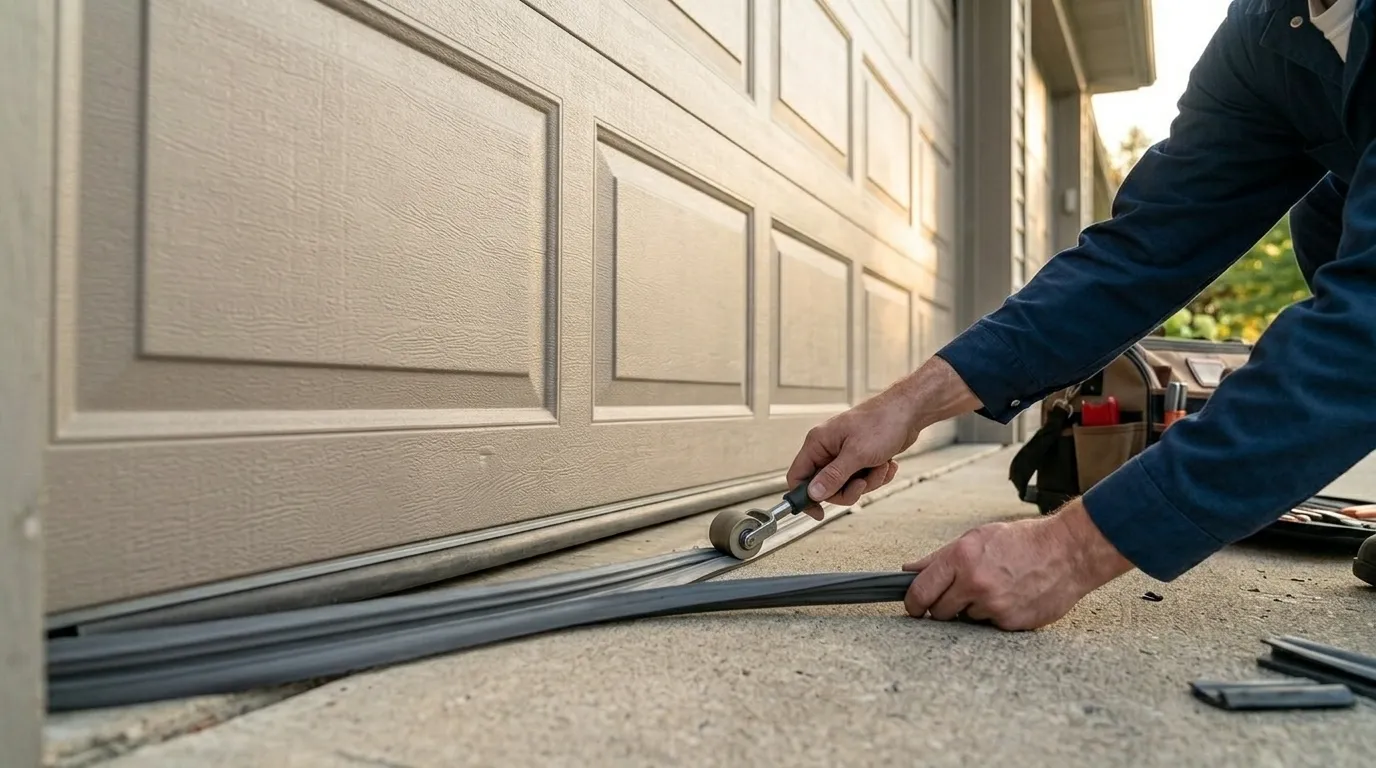
Idaho Falls sits in a severe cold climate band, and that matters more for garage doors than most homeowners realize. Steel contracts in the cold, lubricant thickens or dries out faster, and the daily swing between a heated garage interior and a below-freezing exterior puts real stress on hardware that never gets a break. On a house built in the 1960s or 70s, that stress has been happening for fifty-plus winters. Torsion springs lose a measurable amount of tension every year, and cold accelerates that loss. Nylon rollers that were fine in mild weather turn brittle and crack. Weatherstripping on original tracks shrinks and lets cold air push against a door that's already fighting stiff hardware to move. This is not a defect specific to one house - it's the predictable result of older housing stock meeting a hard climate. A door that gets no seasonal check just accumulates every one of these small failures until one of them stops the door outright, usually on the coldest morning of the year when you need it most.
The Cost of This Job
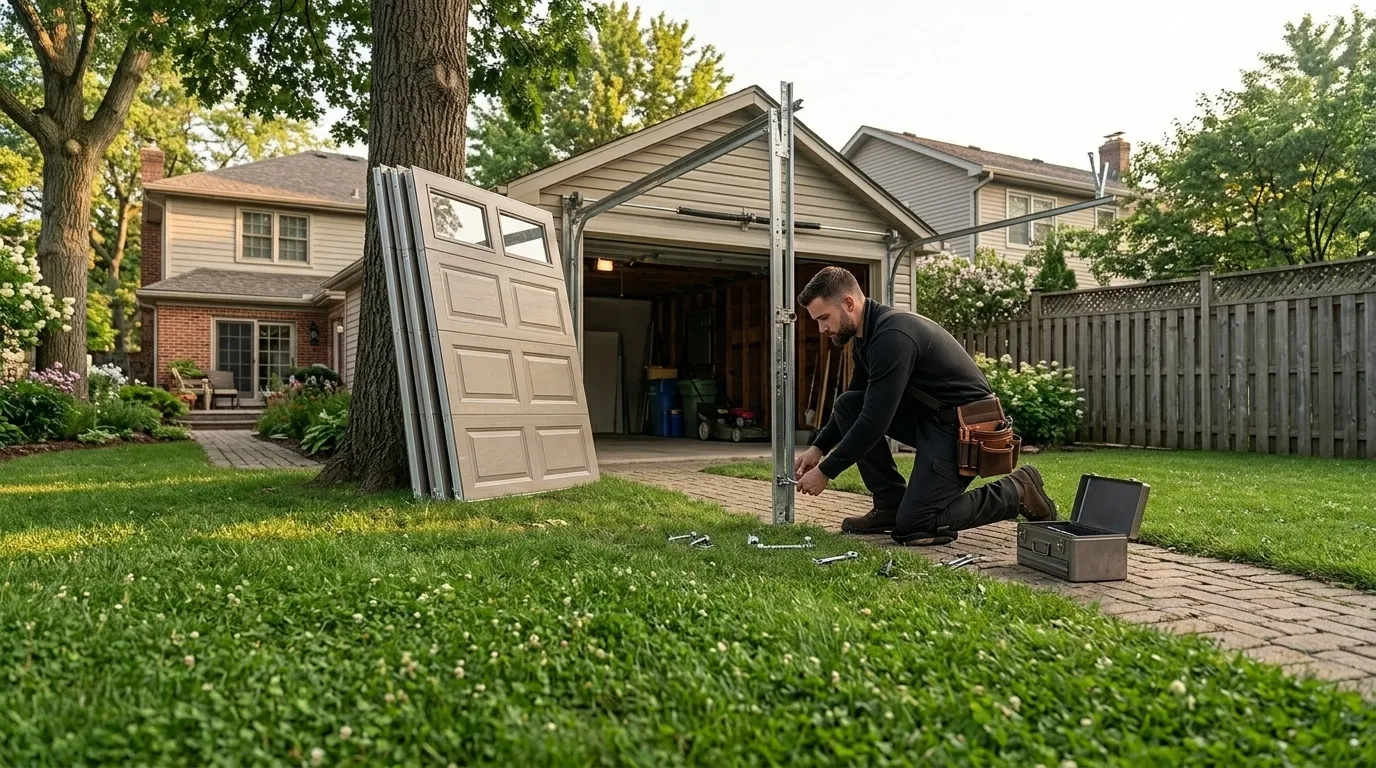
We don't post flat prices here because the range on a maintenance visit depends on what we find - a door that just needs lubrication and adjustment costs a lot less than one that also needs a spring replaced or a track re-aligned. What we can tell you is what drives the cost: how many of the wear points above have gone unaddressed, how old the hardware is, and whether the opener itself needs attention alongside the door. A yearly or twice-yearly maintenance visit is almost always cheaper over time than waiting for a full spring failure or a track that's bent enough to need replacing. Across the households we work with in this area - roughly 10,269 households, most of them owner-occupied houses - the ones that call before something breaks tend to spend less over the life of the door than the ones that call after. If your door is original to a house built decades ago, it's worth asking us straight whether continued repair still makes sense or whether the door has reached the point where replacement is the better spend.