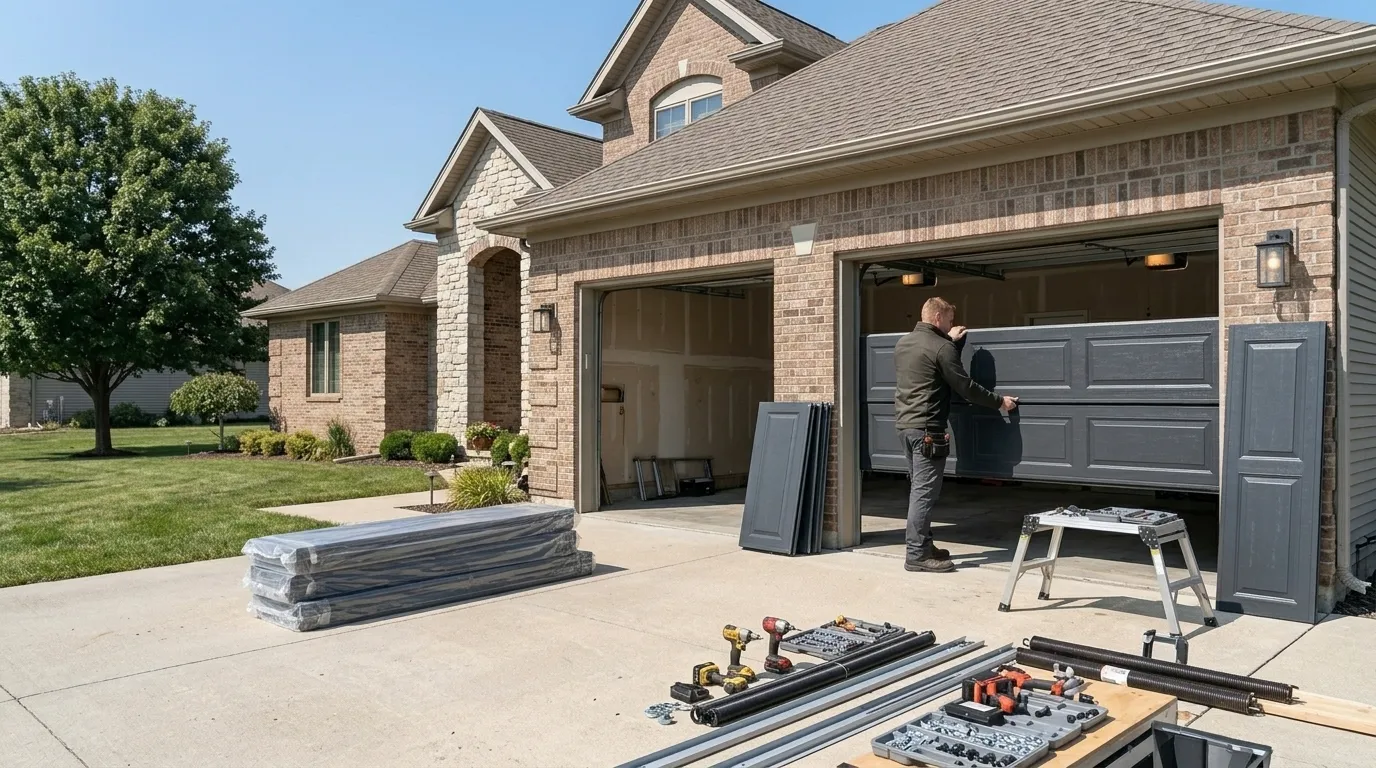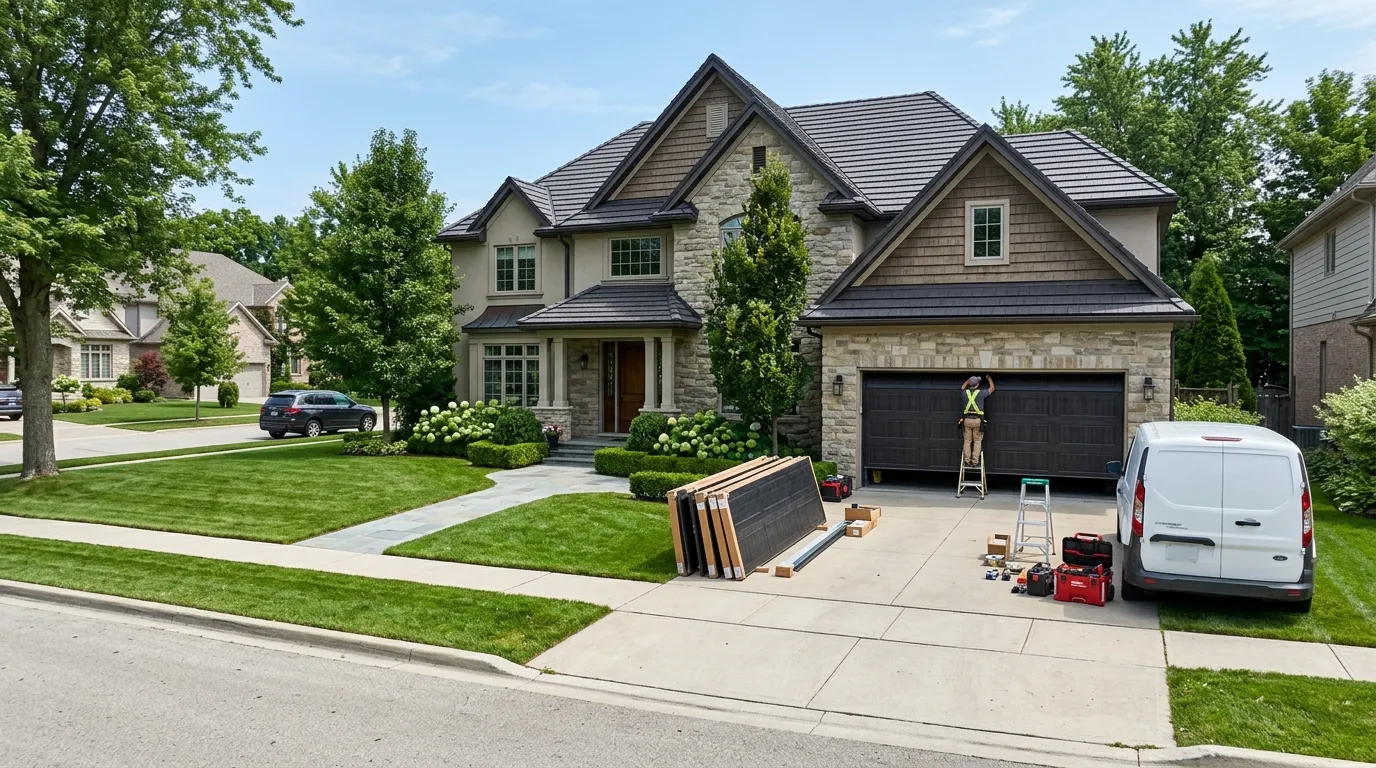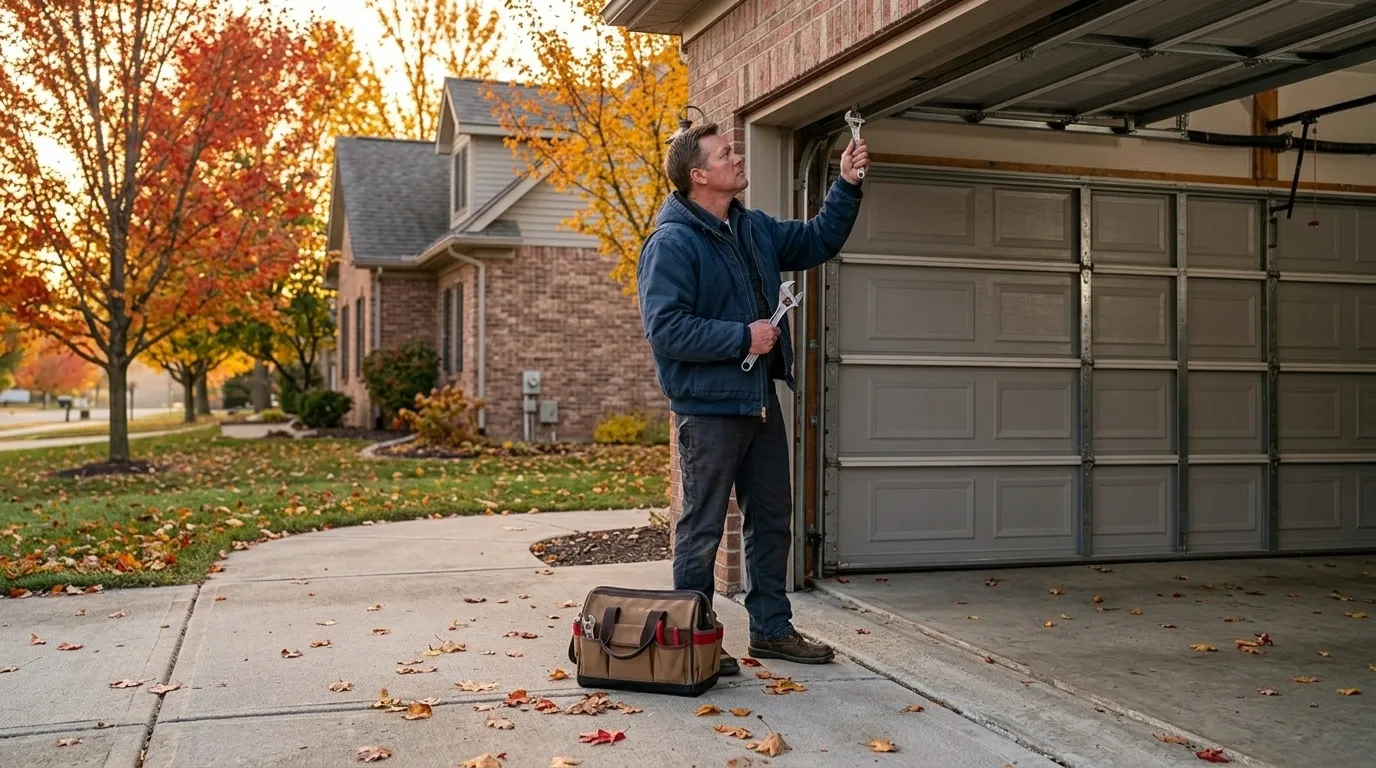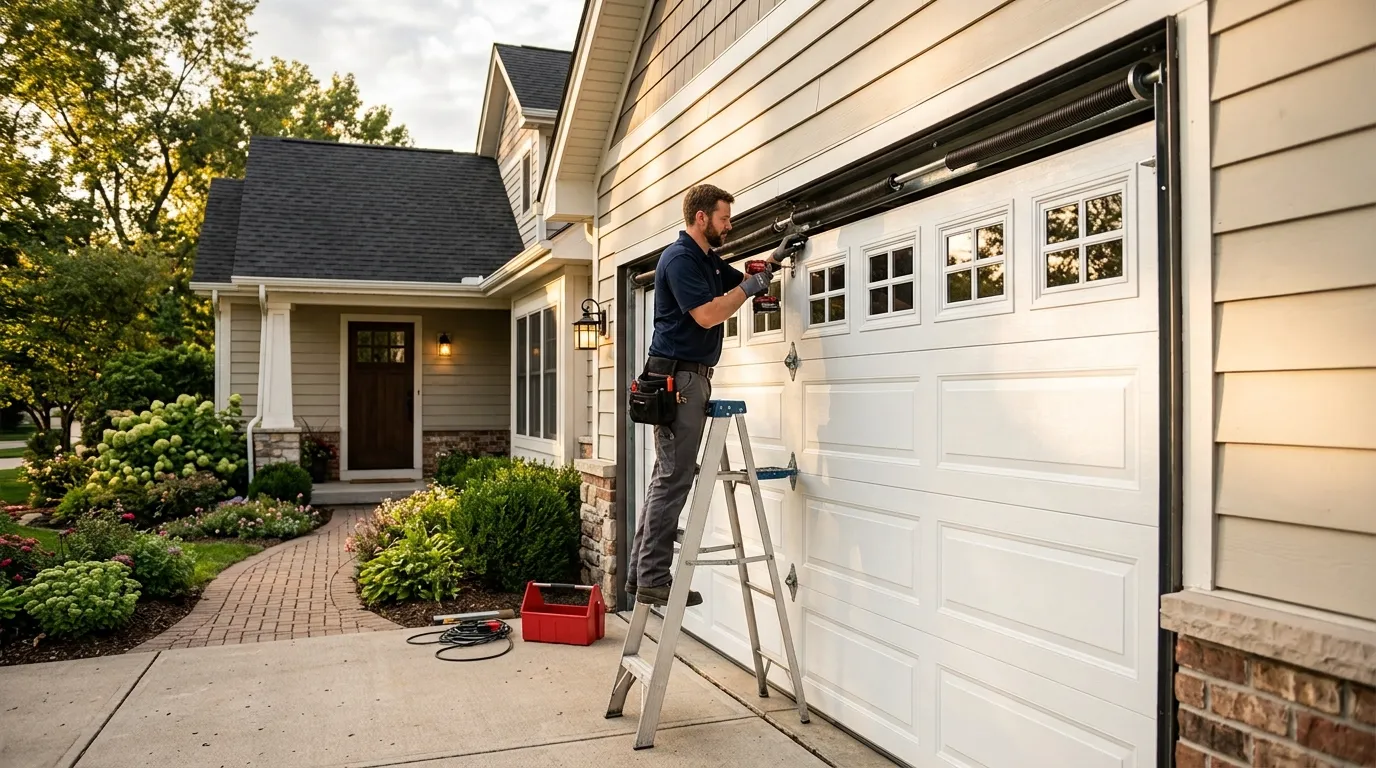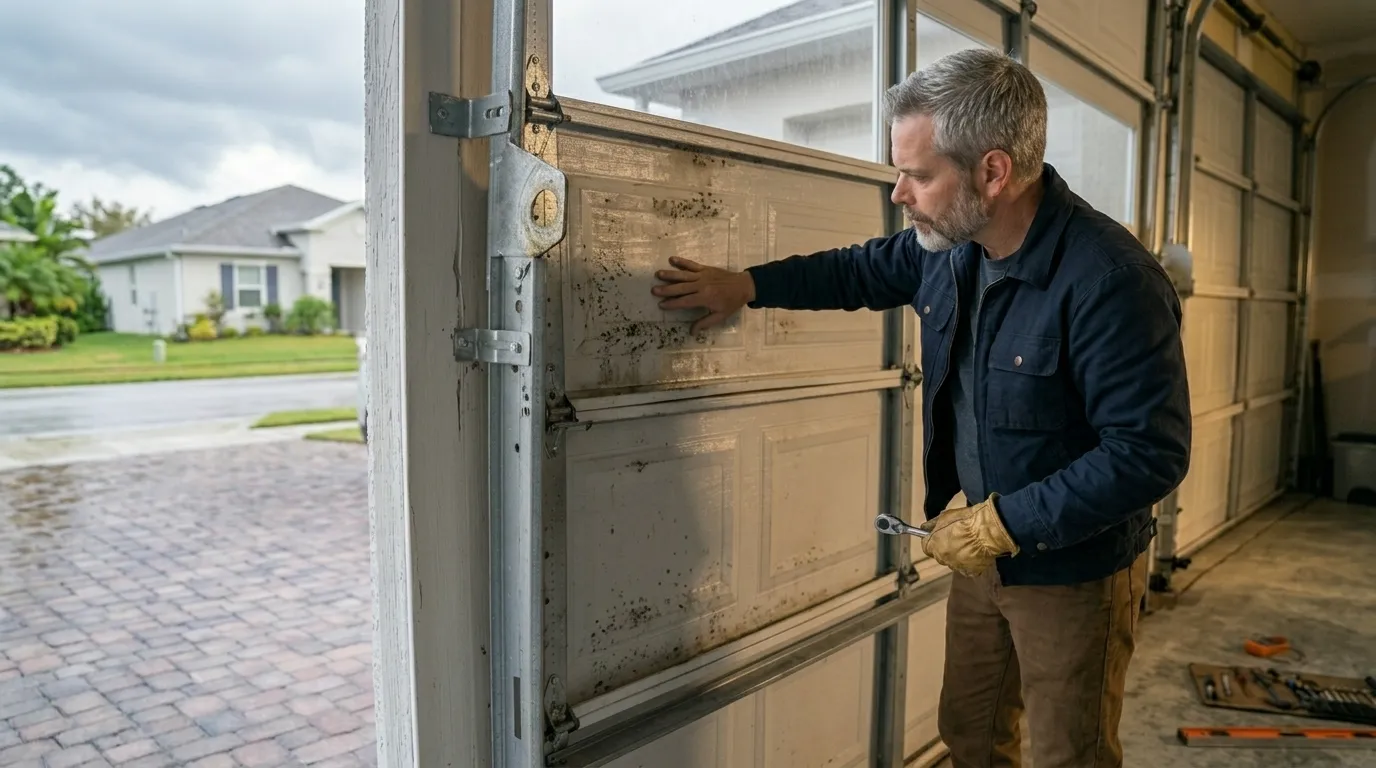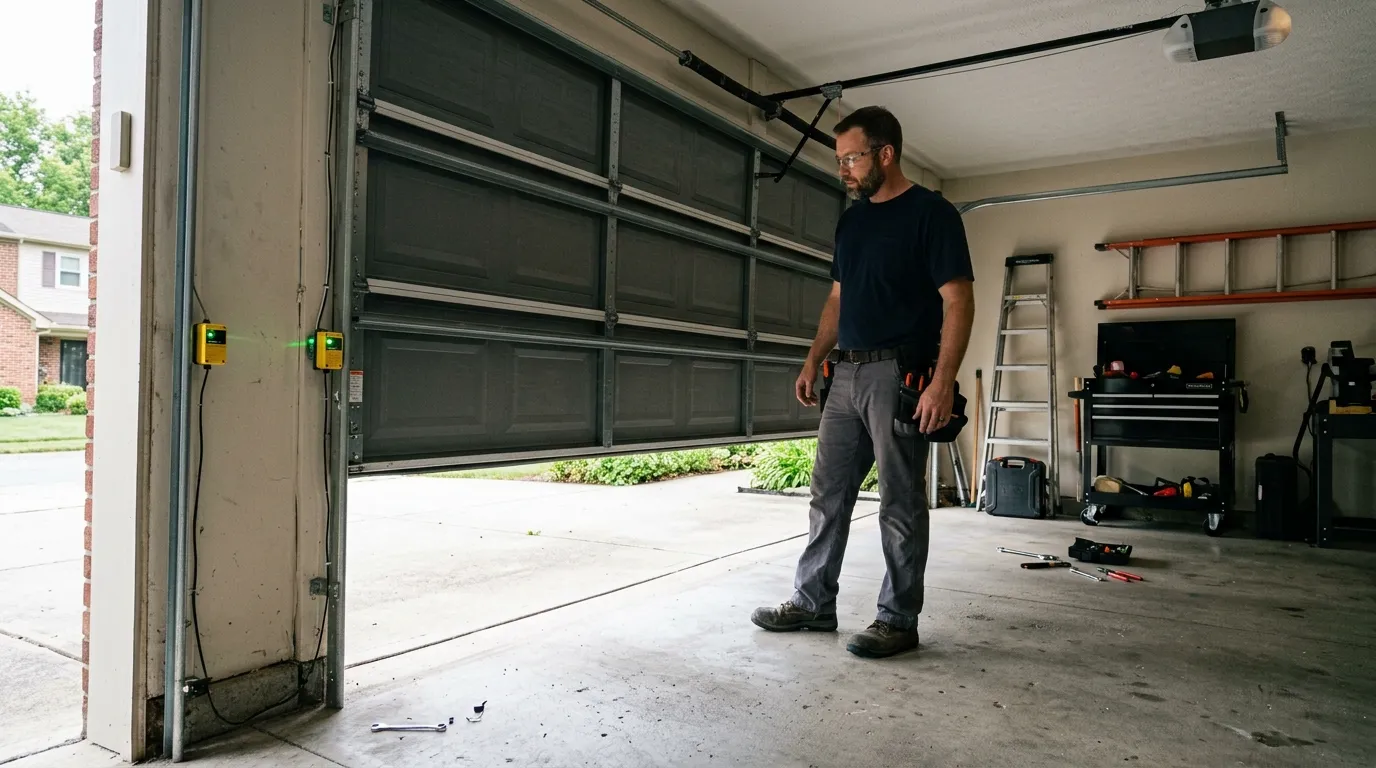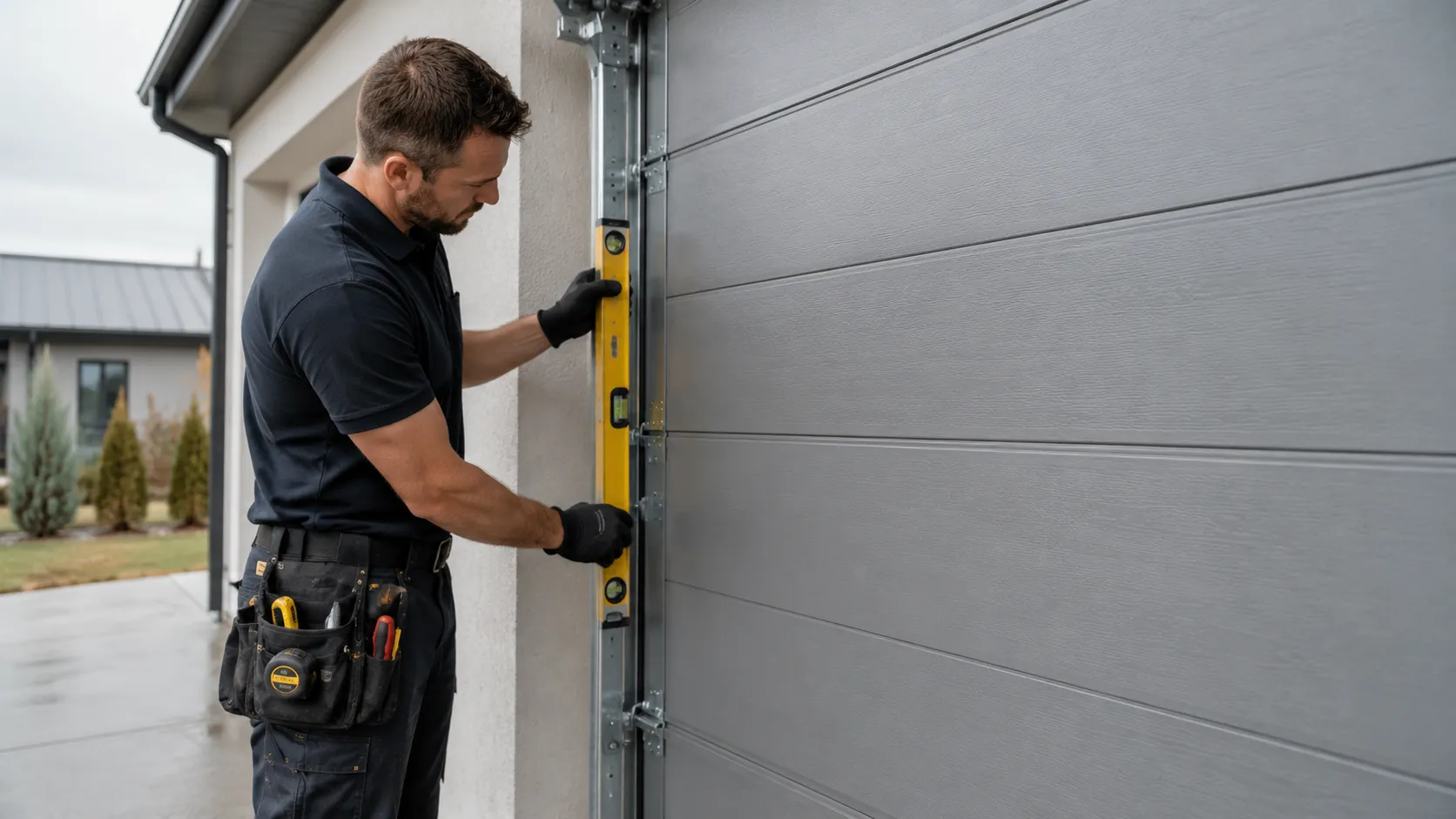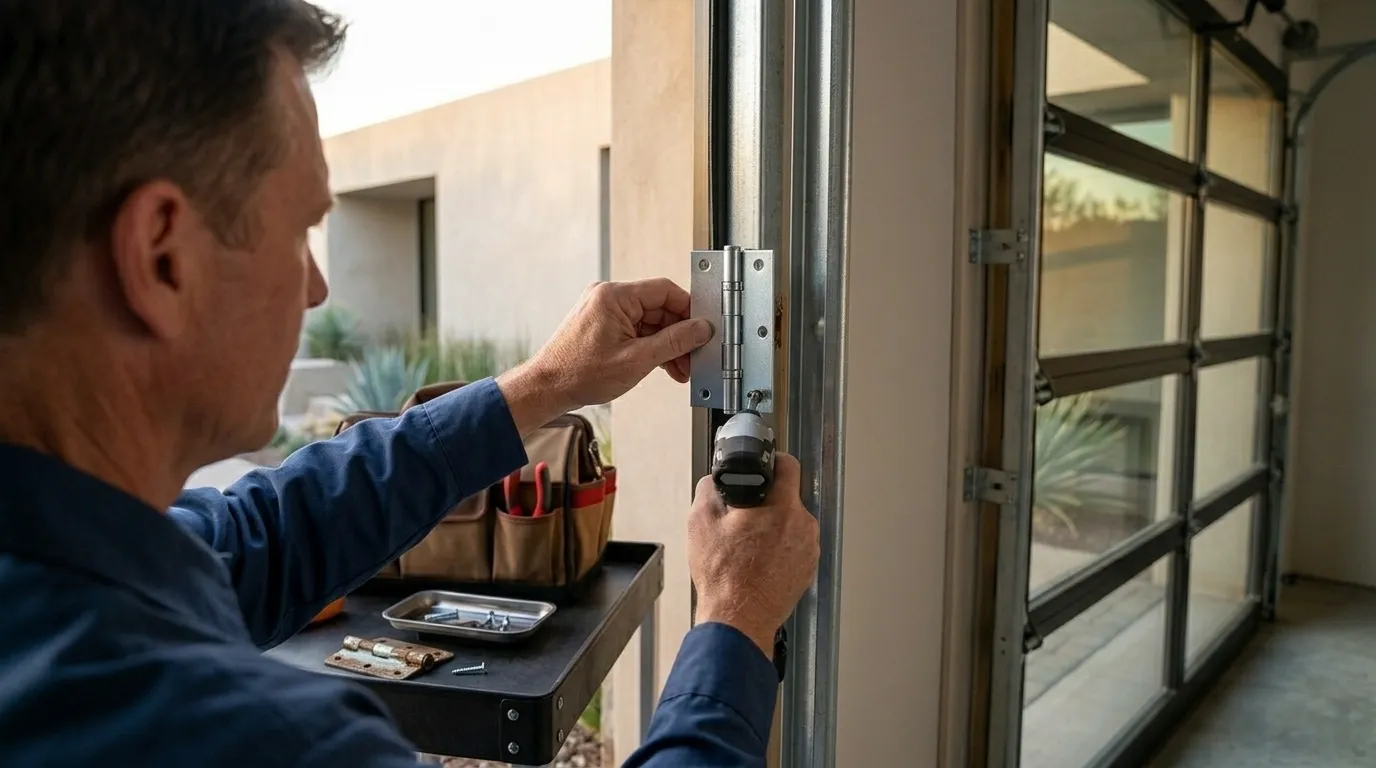
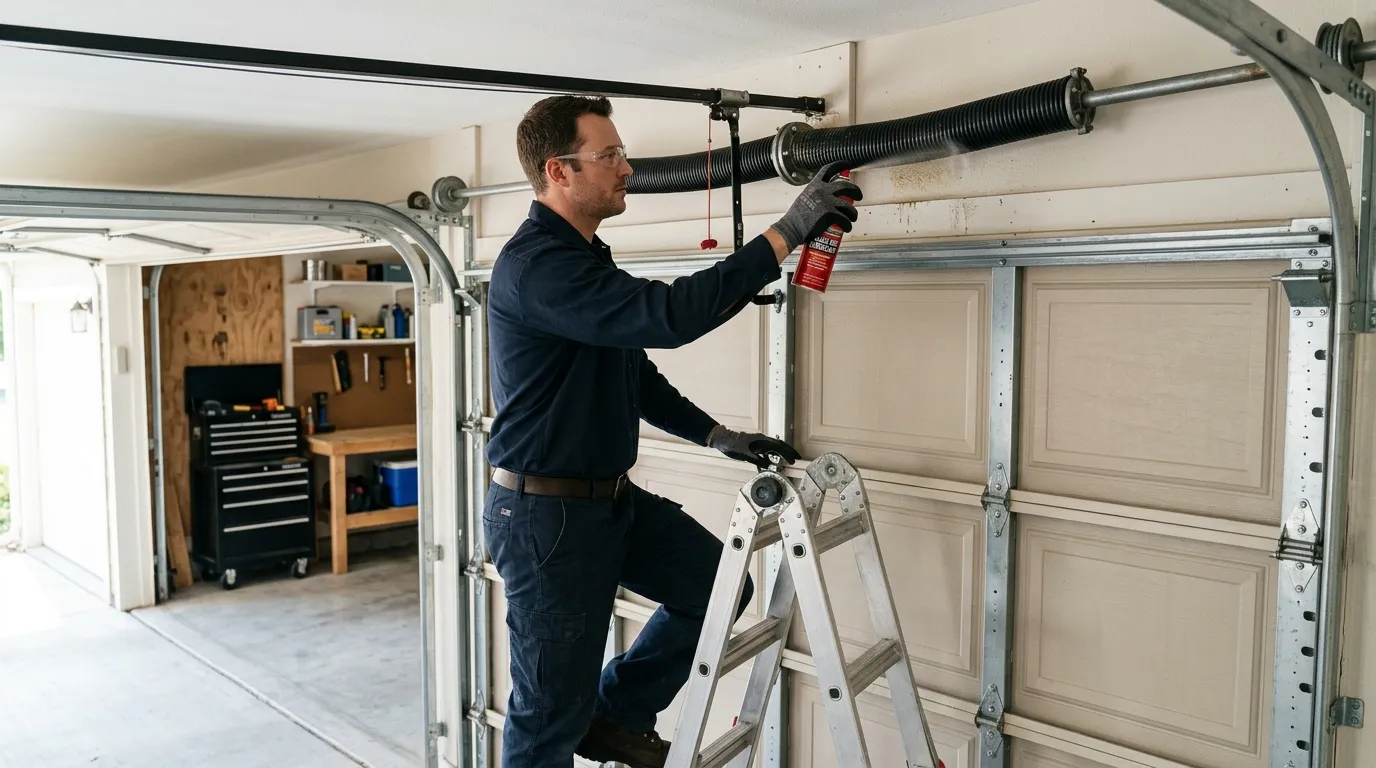
What You Are Seeing
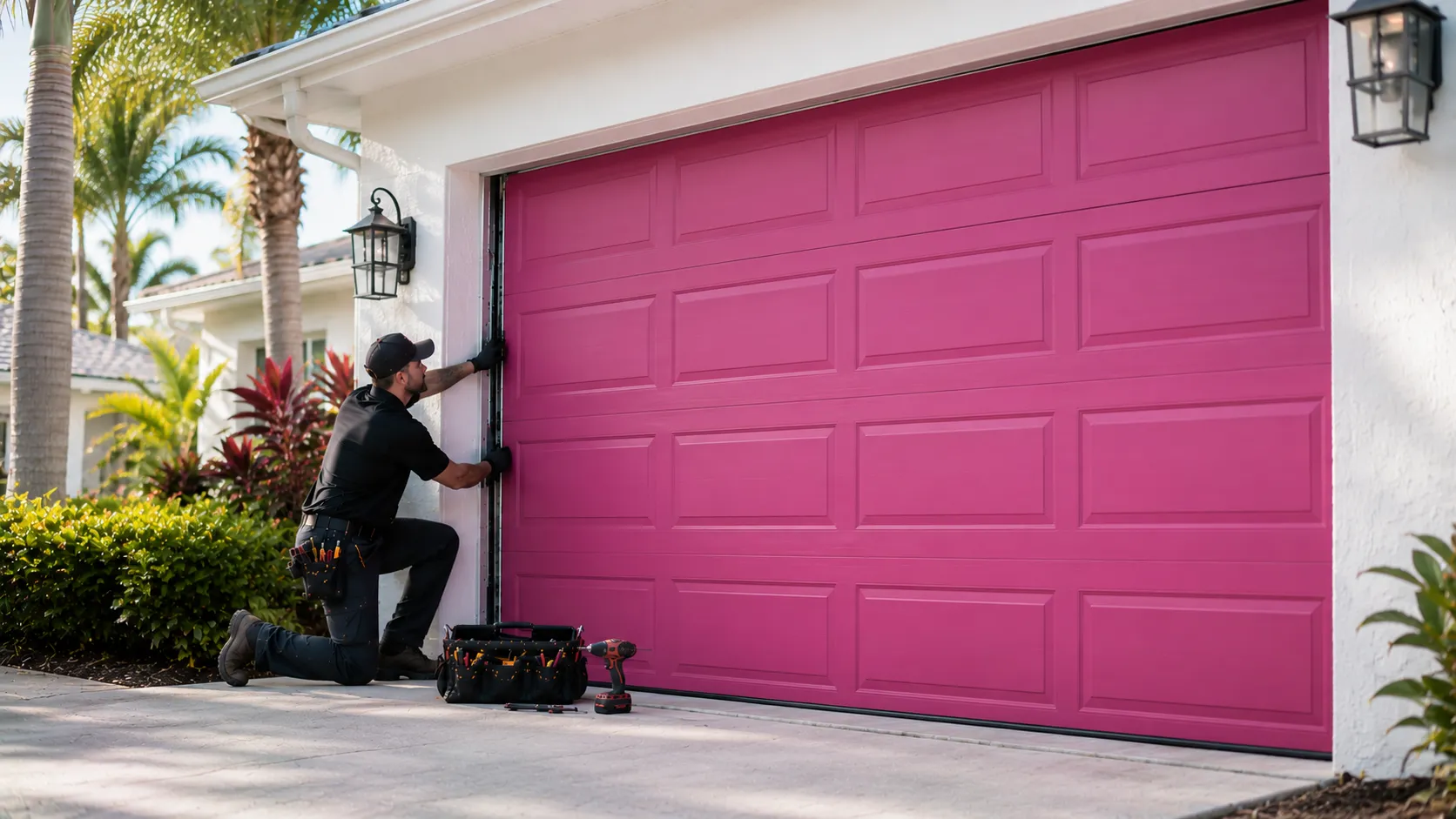
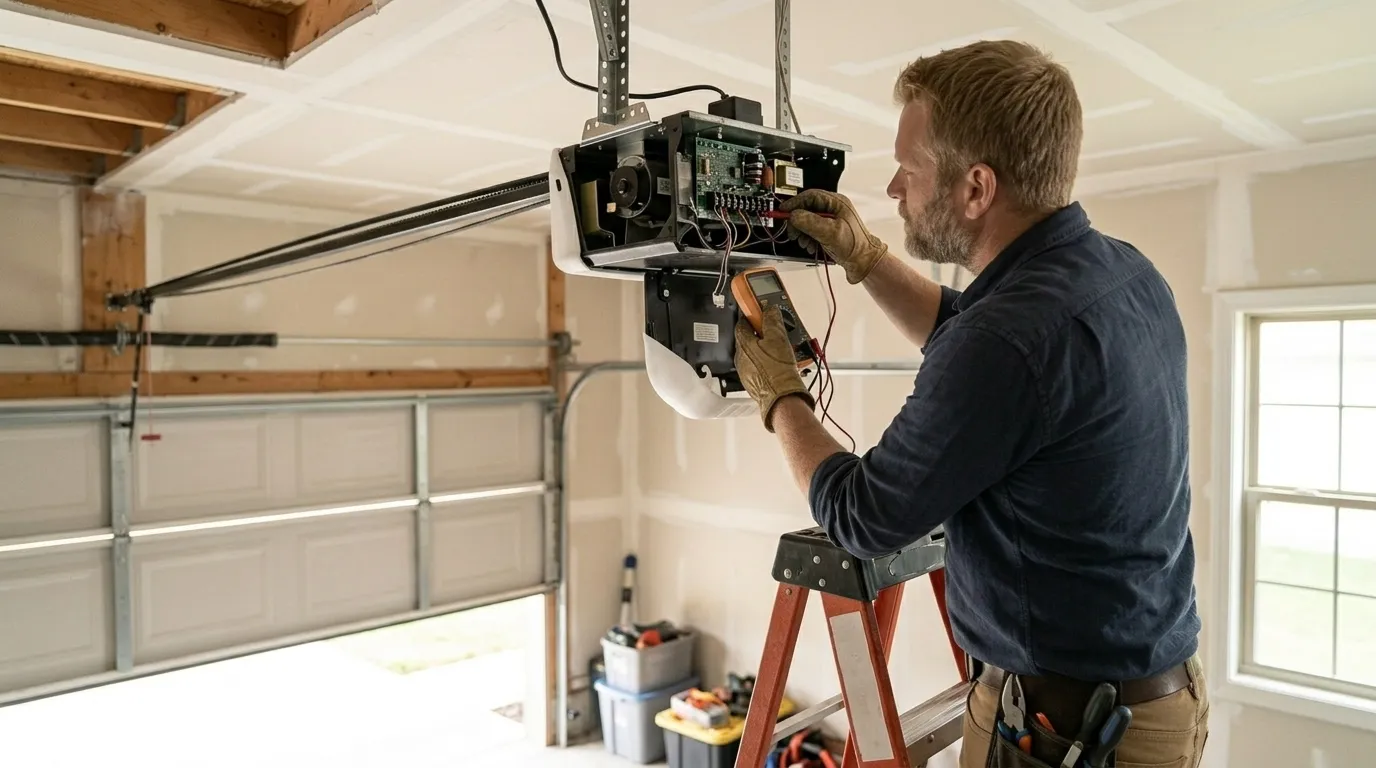
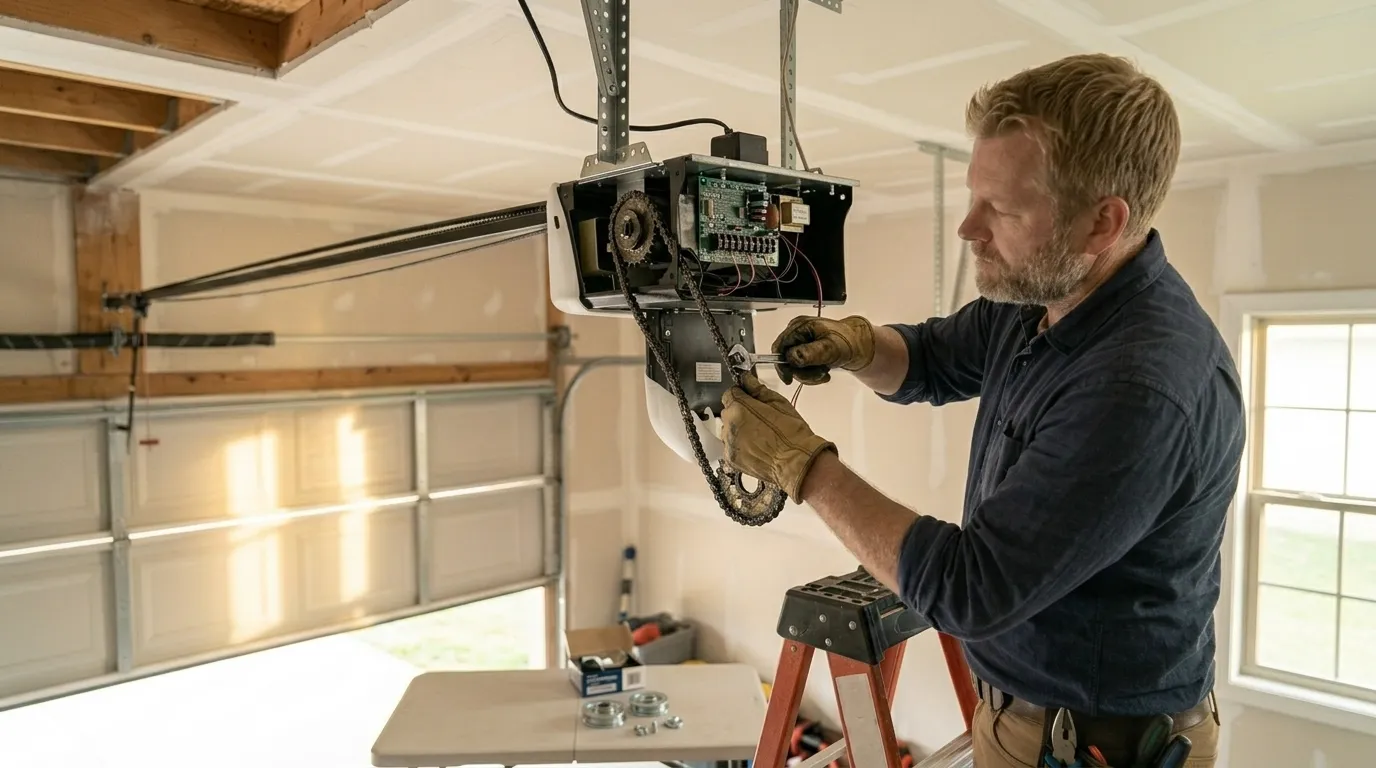
You push the button and the opener hums, strains, or just clicks. Maybe the light blinks a code you can't read without the manual. Maybe the carriage moves an inch and stops. In a lot of Idaho Falls houses, the opener itself isn't the real problem - it's a mismatch between a newer opener head and older track and spring hardware still installed on doors built decades ago.
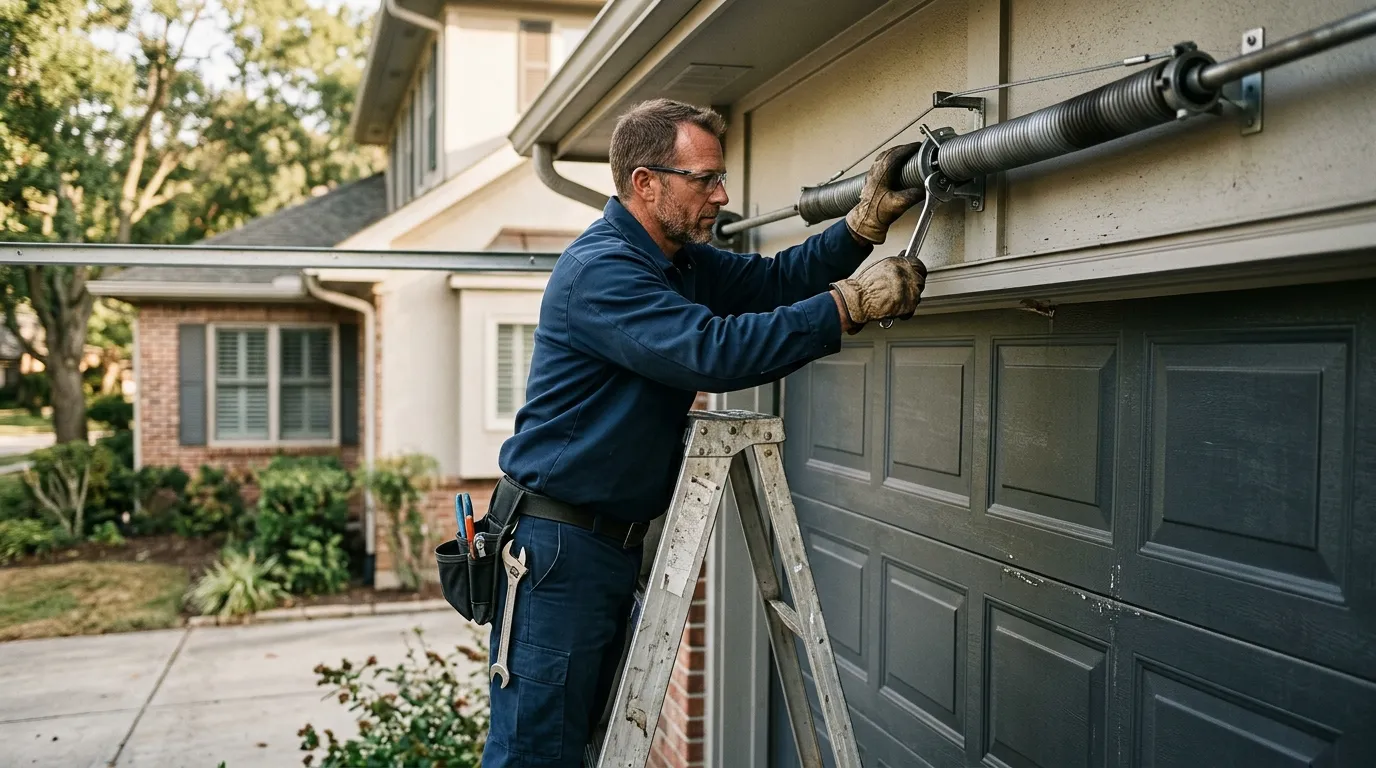
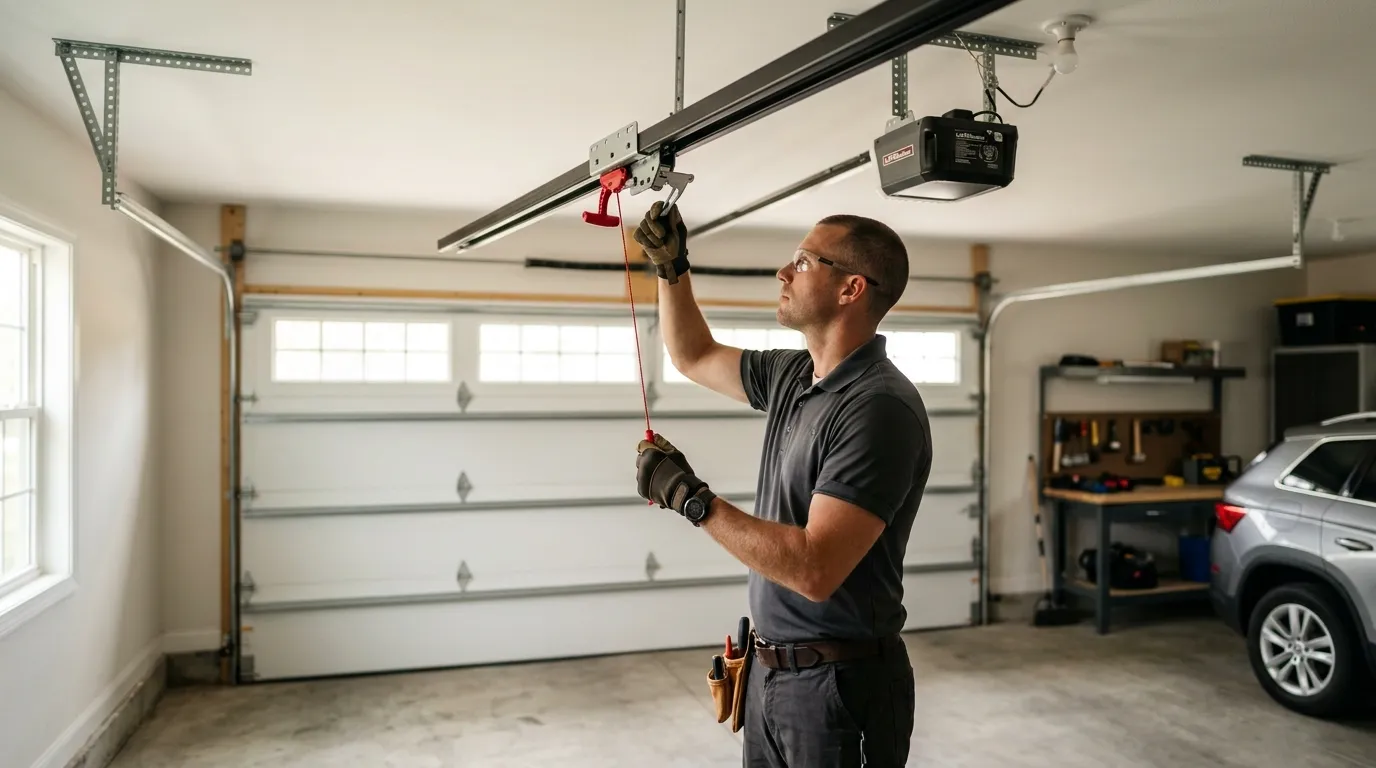
Housing across the service area runs mostly from 1963 to 2003, with a median build year around 1976, concentrated in five main areas of mostly 1960s-70s stock. That means a large share of openers being replaced today are going onto doors that were never engineered with a modern opener in mind. The original hardware - extension springs, lighter tracks, older bracket spacing - wasn't built to pair with today's belt or chain drive units, and that gap shows up as grinding, slow travel, or an opener that burns out its gears trying to do work the door's springs should be doing.
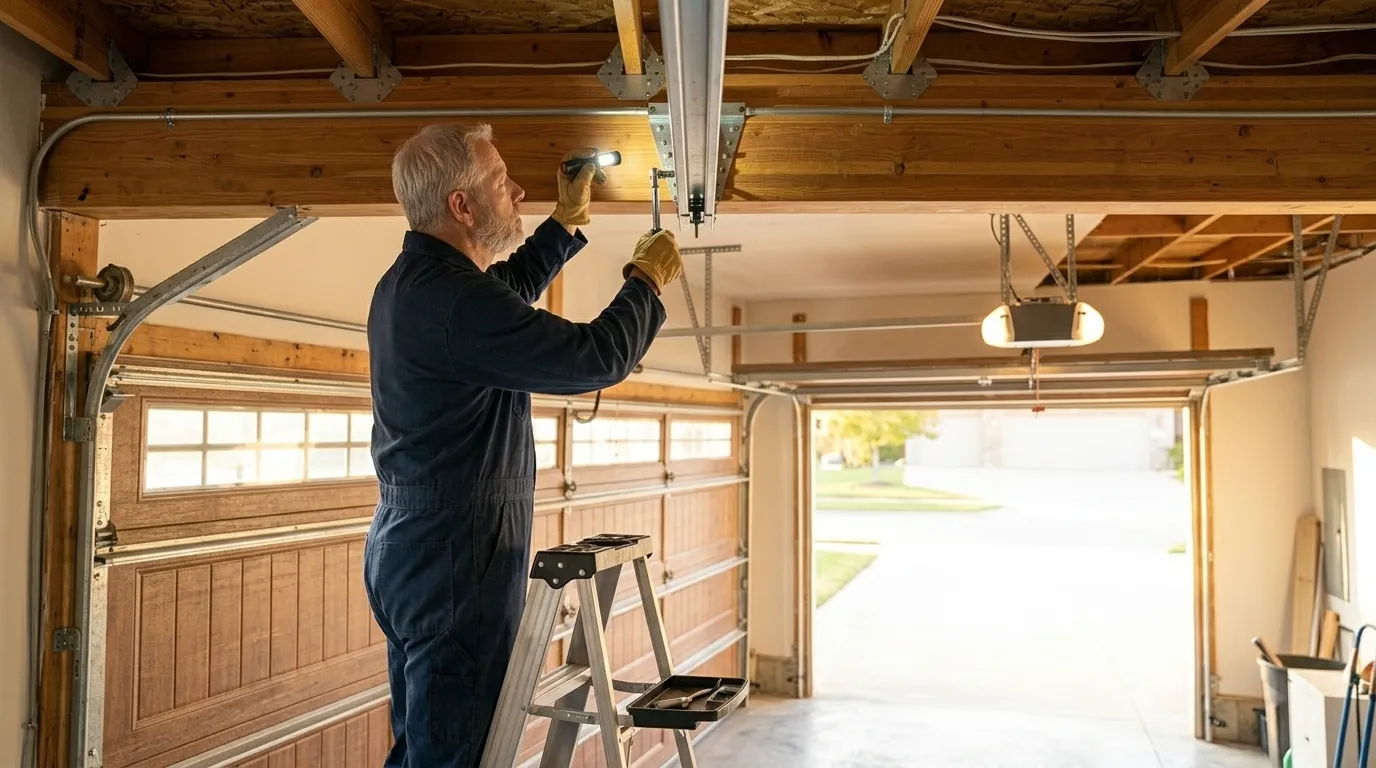
What you're seeing at the wall button or the app is usually downstream of what's happening on the rail and at the springs. An opener installed without checking that hardware first is a callback waiting to happen, not a fix.
Why This Fails Locally
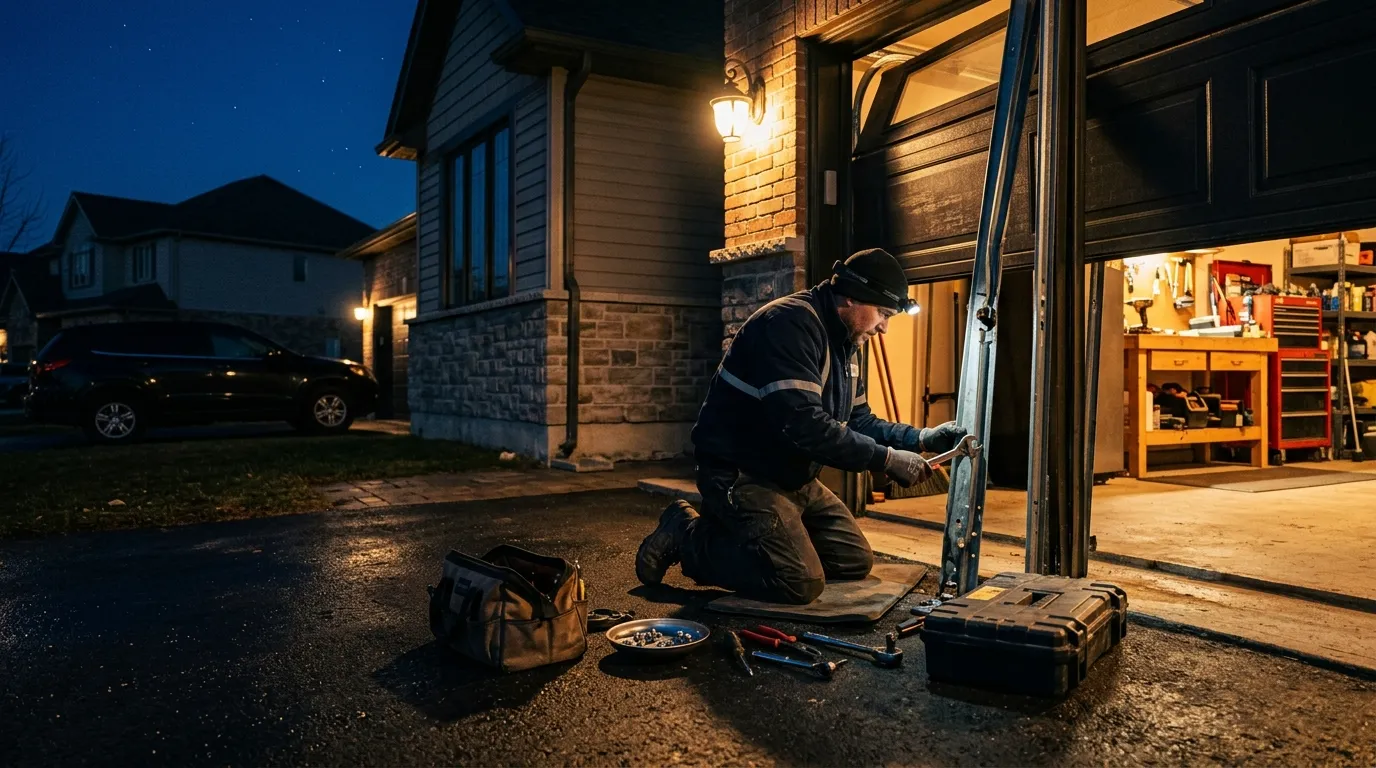
Idaho Falls sits in a cold, severe climate band, and that matters for opener installs in two specific ways. First, cold changes how grease and lubricants behave in the drive assembly - a chain or belt that runs quiet in July can bind and stall in January if the unit wasn't set up with cold-rated lubrication and correct travel limits. Second, garage doors on older housing stock (much of it dating to the 1963-2003 window, with a lot of it 1960s-70s) were often built with less insulation and lighter panels, so the springs carrying that door's weight are frequently undersized or fatigued by the time a homeowner is ready to upgrade the opener.
An opener install that skips a spring and hardware check on a door this age is where most 'new opener, same problem' calls come from. You put a stronger motor on a door that's already fighting worn springs in cold weather, and the motor does more work every cycle than it should - shortening its life instead of extending it.
This isn't a defect specific to any one house. It's a pattern tied to the age of the housing stock across this service area and the climate it sits in. A same-era door two towns over has the same issue for the same reason.
The Cost of This Job
We're not going to make up a number here - pricing depends on the opener you pick, whether your existing track and springs are still sound, and whether the drive needs upgrading along with the motor, and none of that is something we can tell you without seeing the door. What we can tell you is what drives the cost up or down.
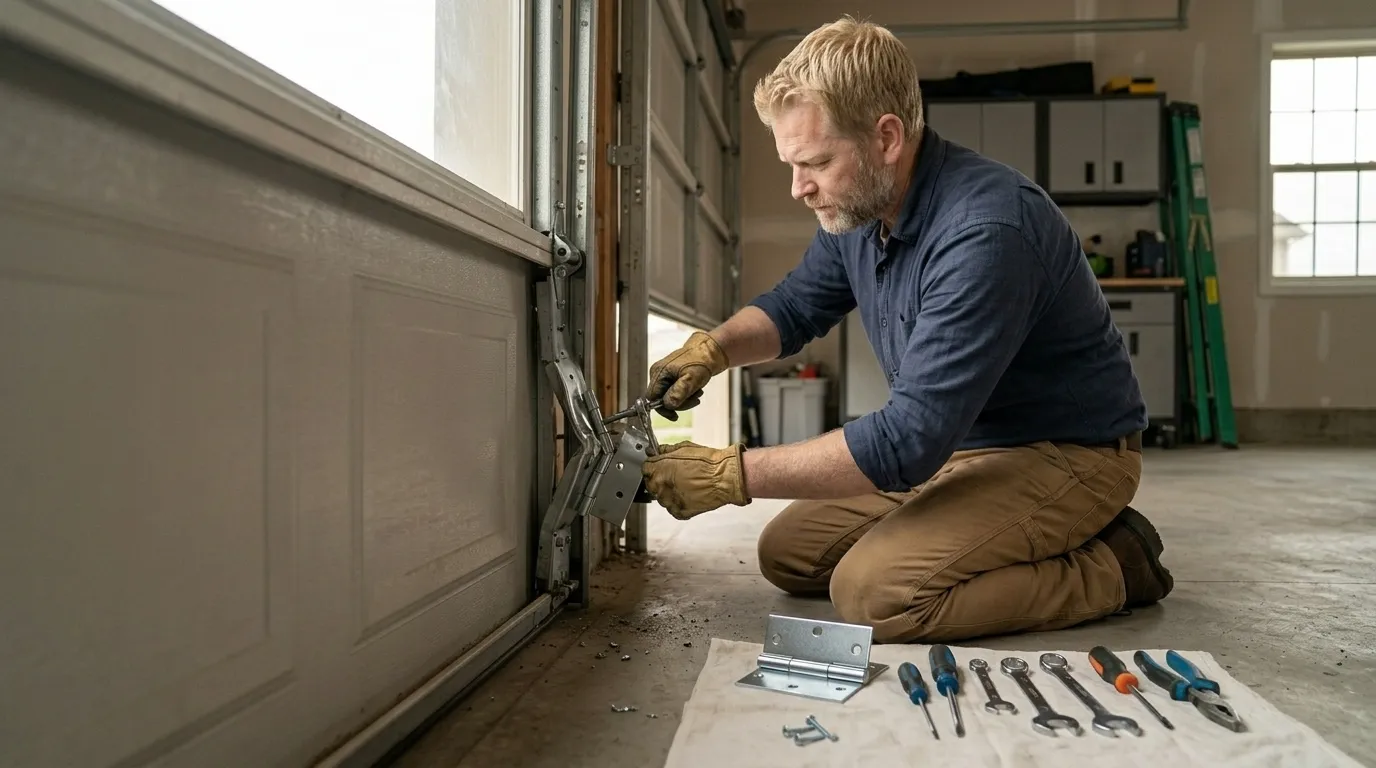
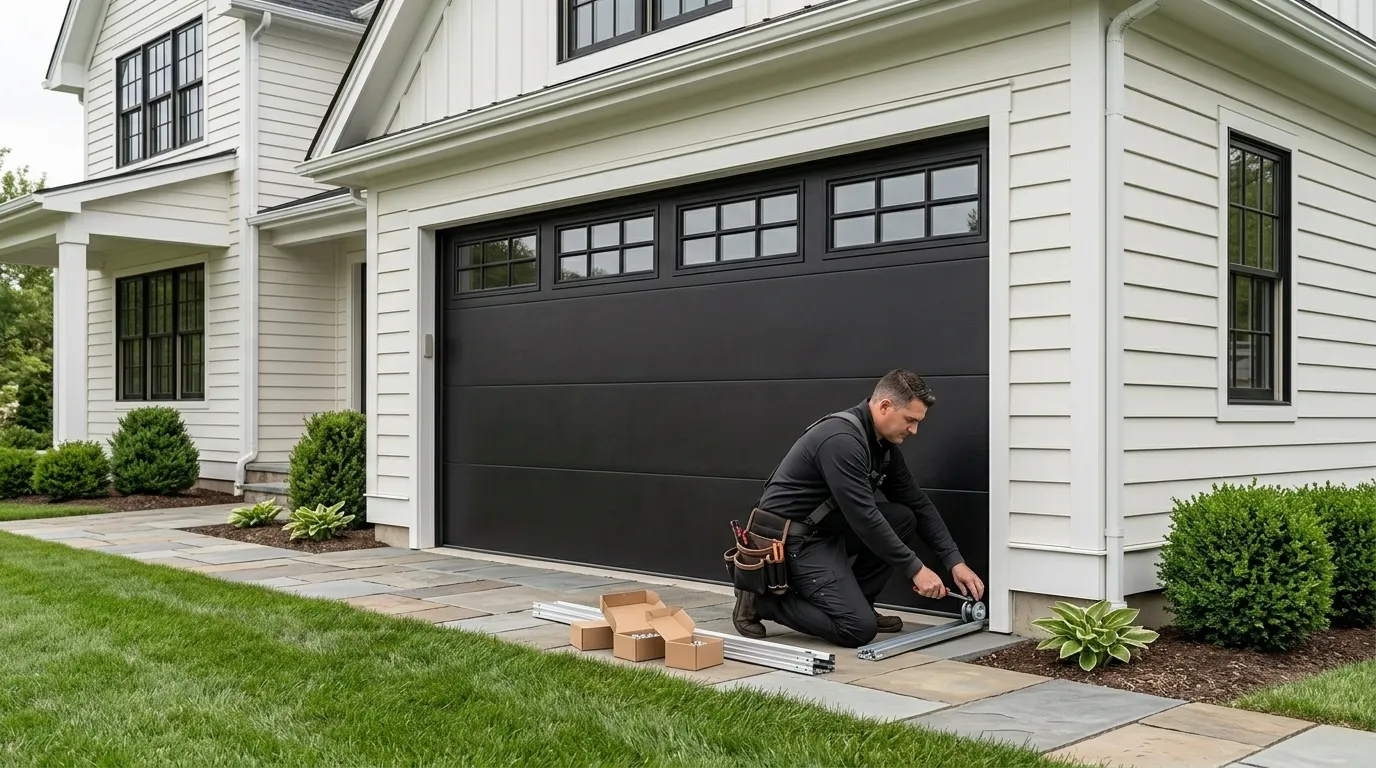
On newer doors within the area's housing range - built closer to 2003 than 1963 - an opener swap is often a straight replacement with no hardware changes needed. On older doors, especially the 1960s-70s stock that makes up most of the neighborhoods here, the job more often includes a spring or bracket update, because the existing hardware wasn't sized for a modern drive. That's not us padding the job - it's what keeps the opener from failing again in six months.
Given that median household income across the service area sits around $64,273, we try to be straightforward about what's actually needed versus what's optional. If your springs are fine, we won't sell you new ones. If they're not, replacing them at install time costs less than a second truck visit after the opener burns out.