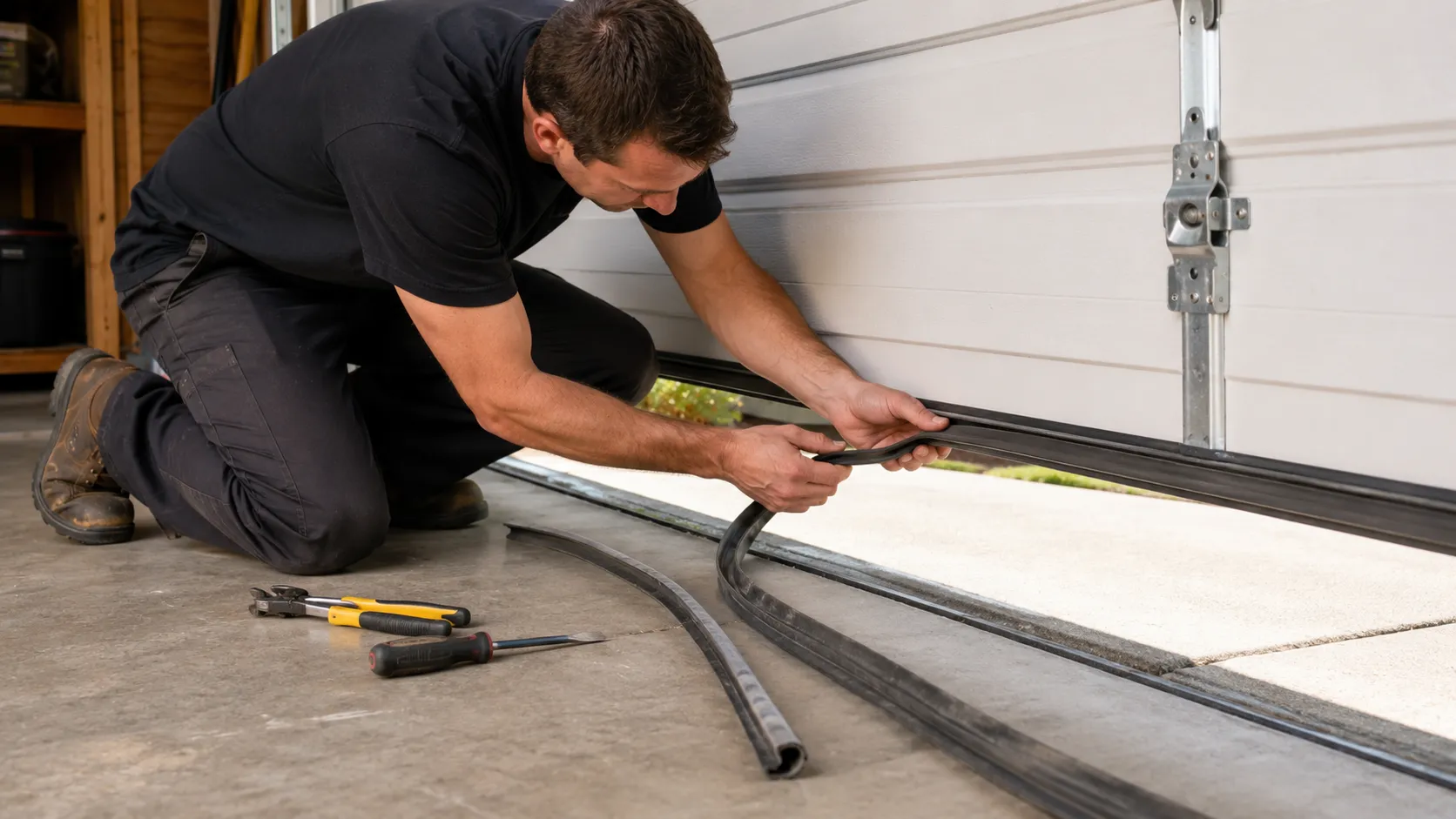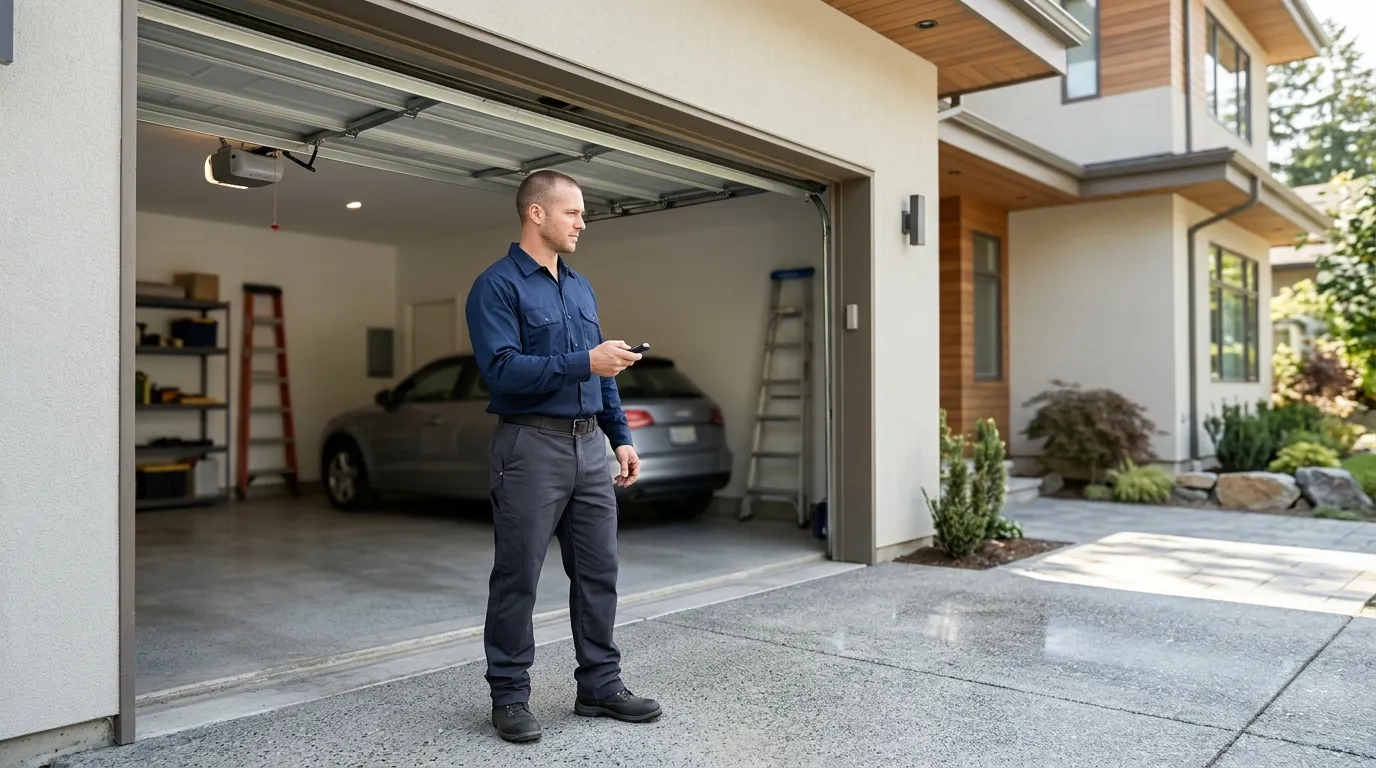
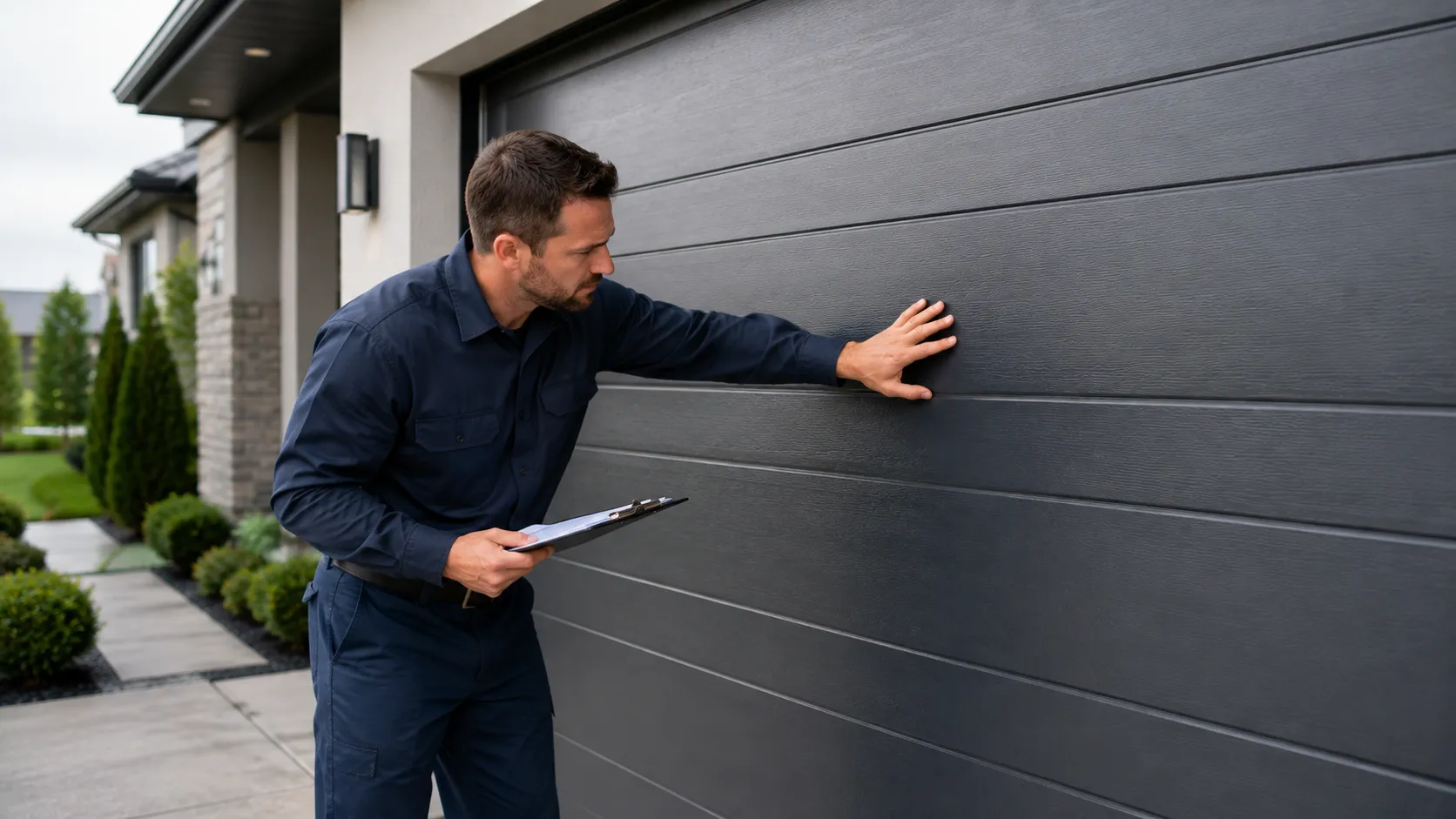
What You Are Seeing
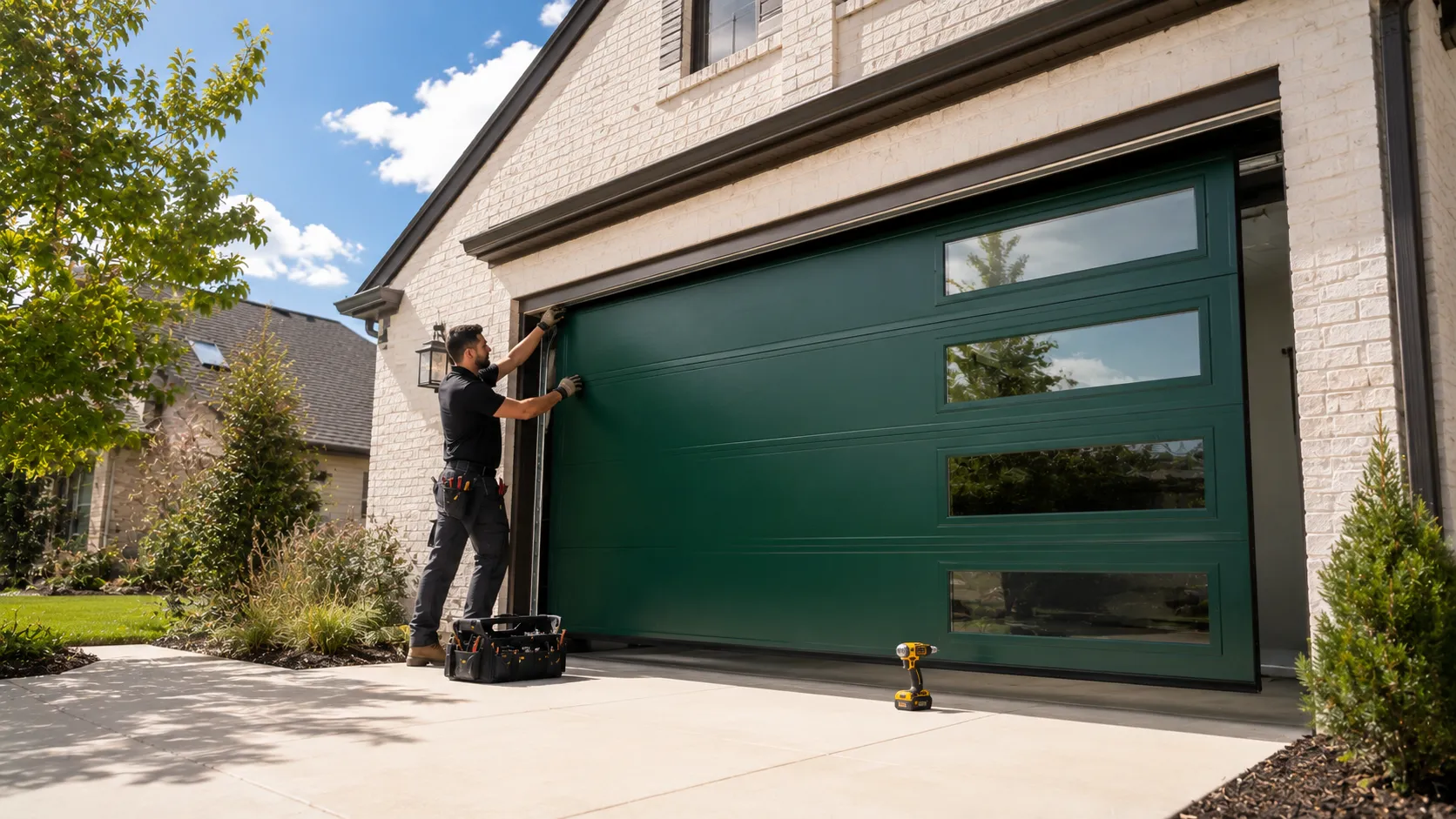
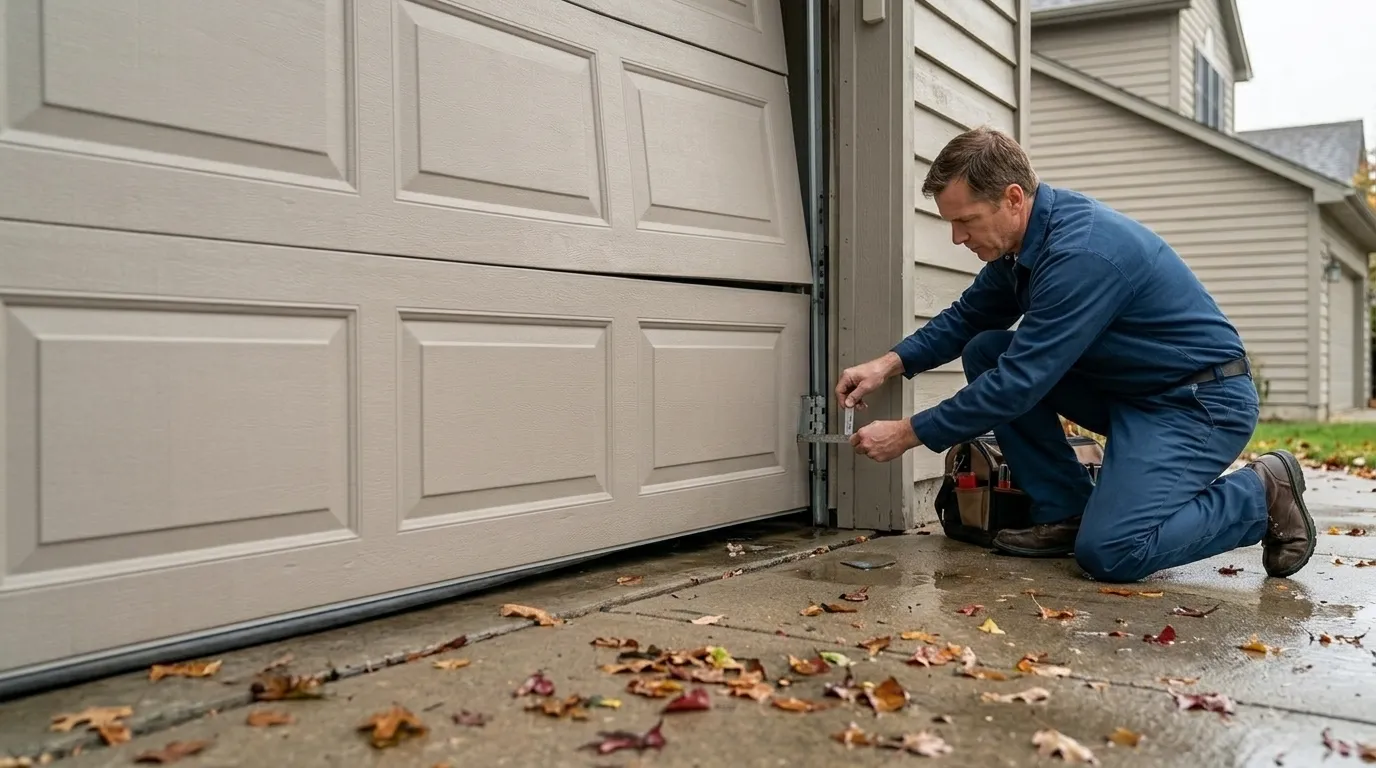
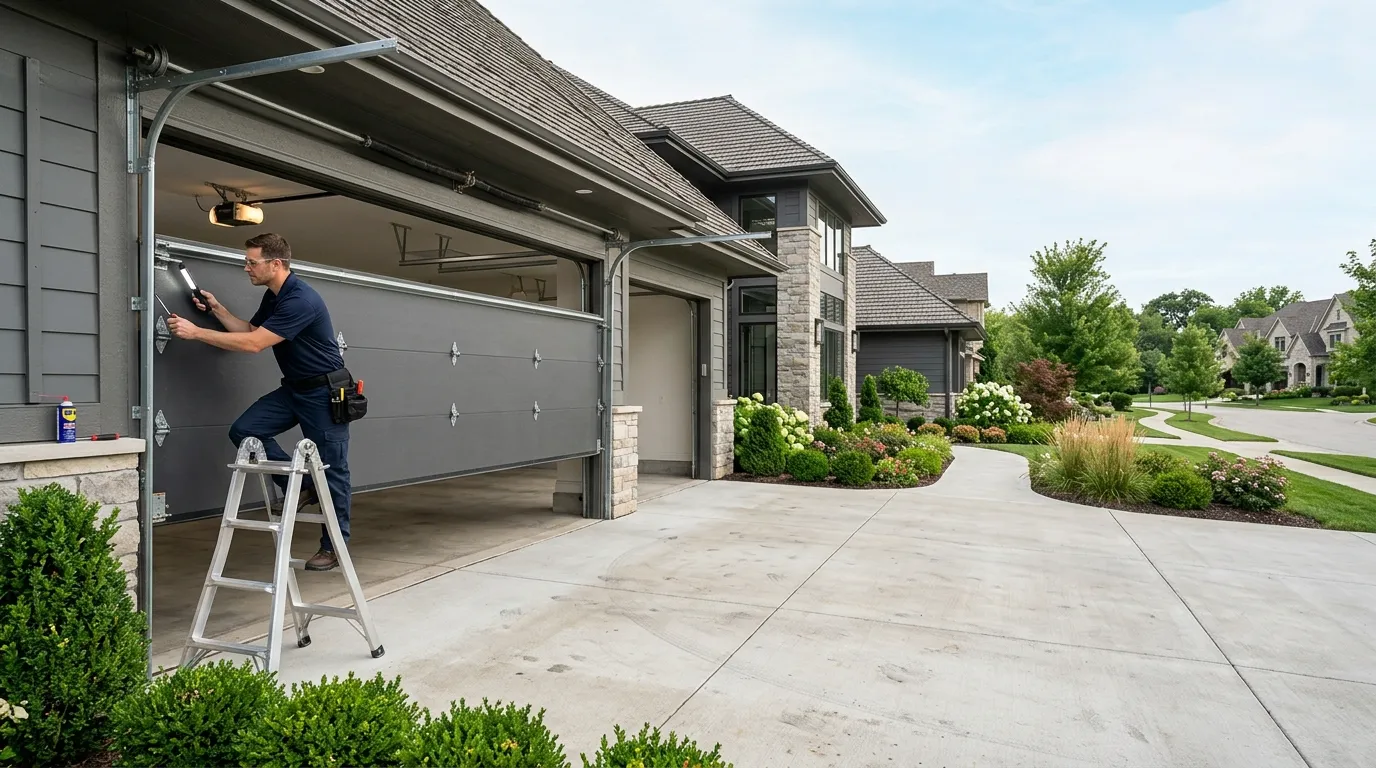
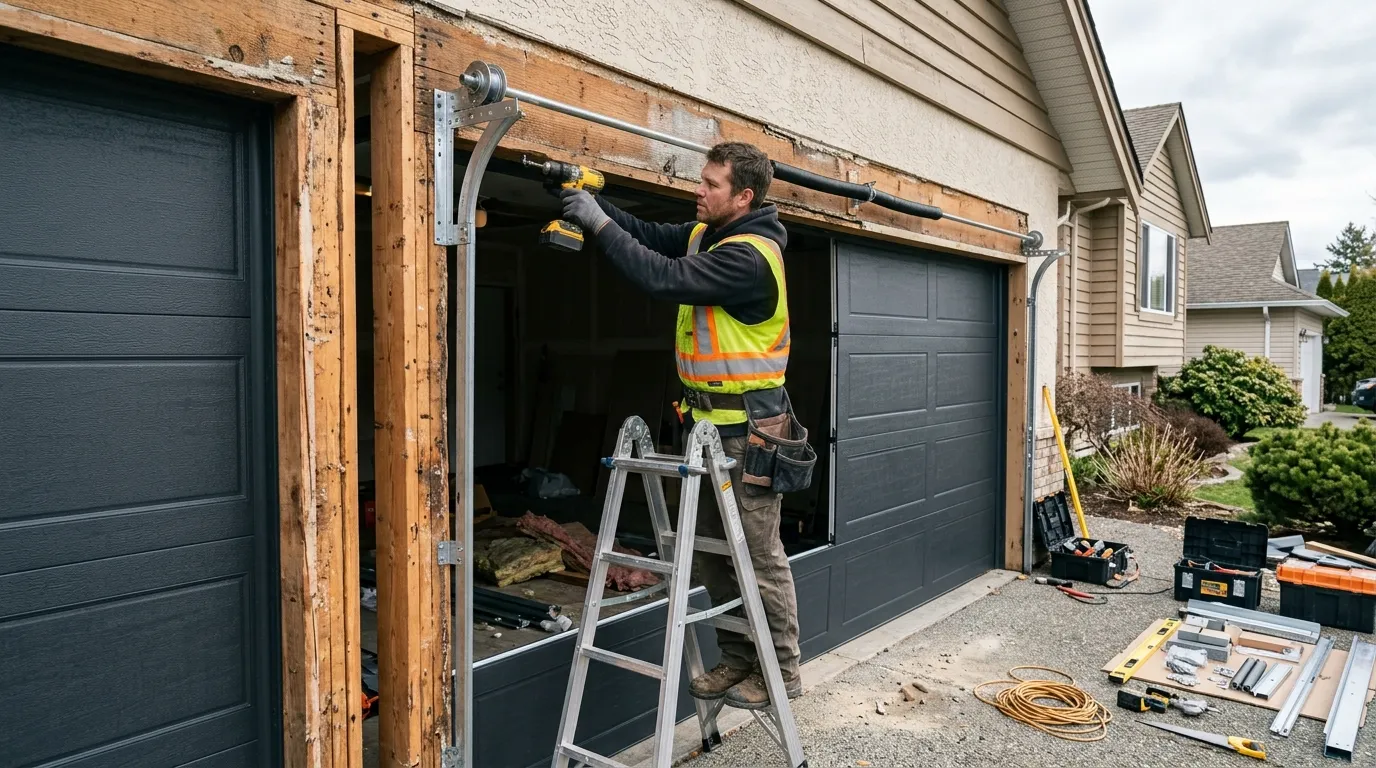
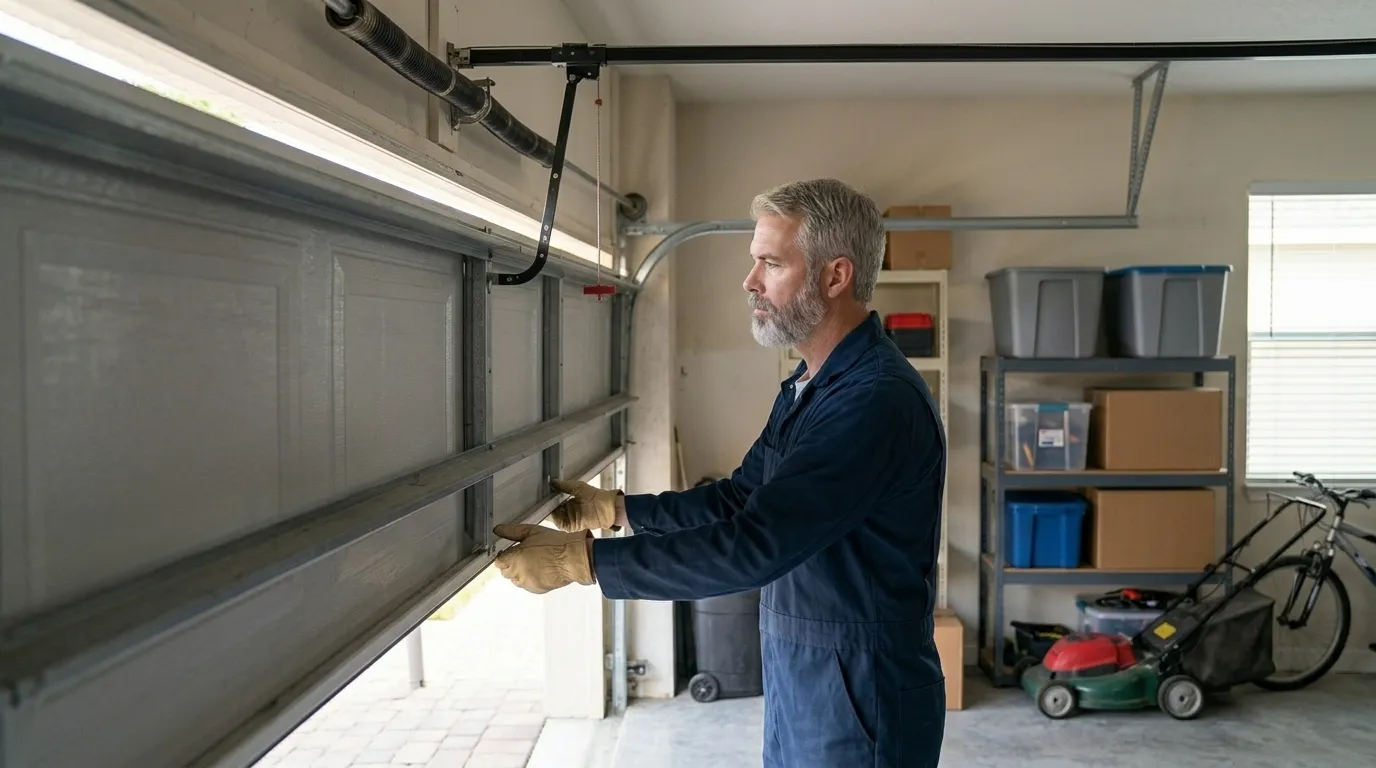
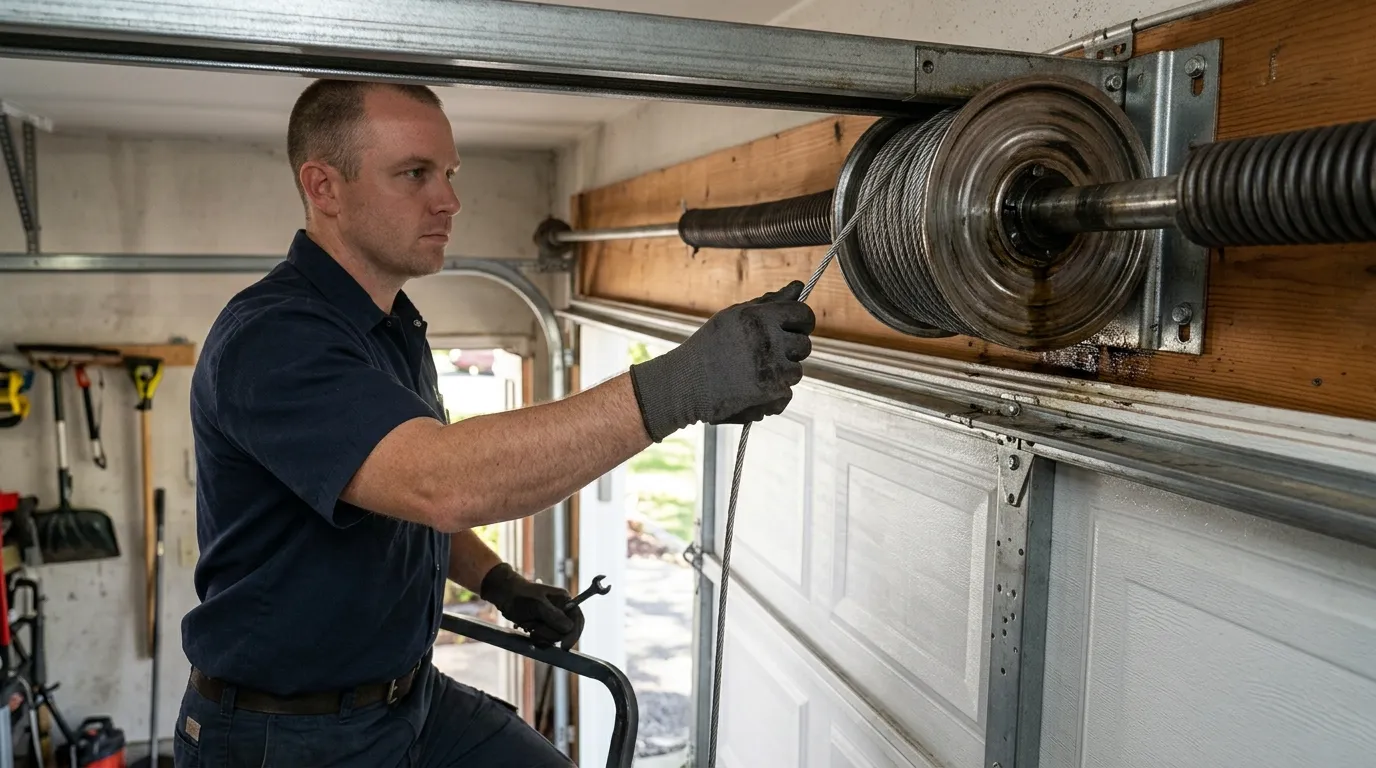
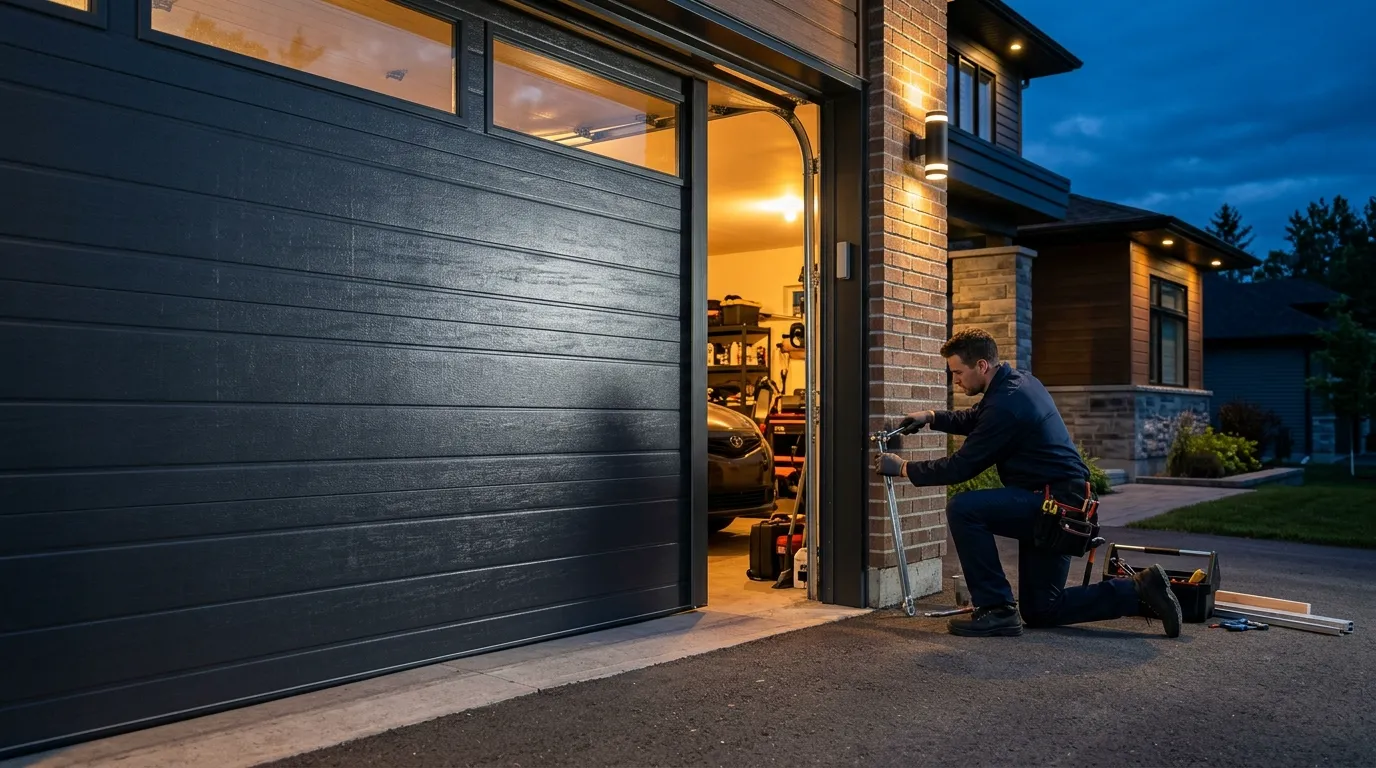
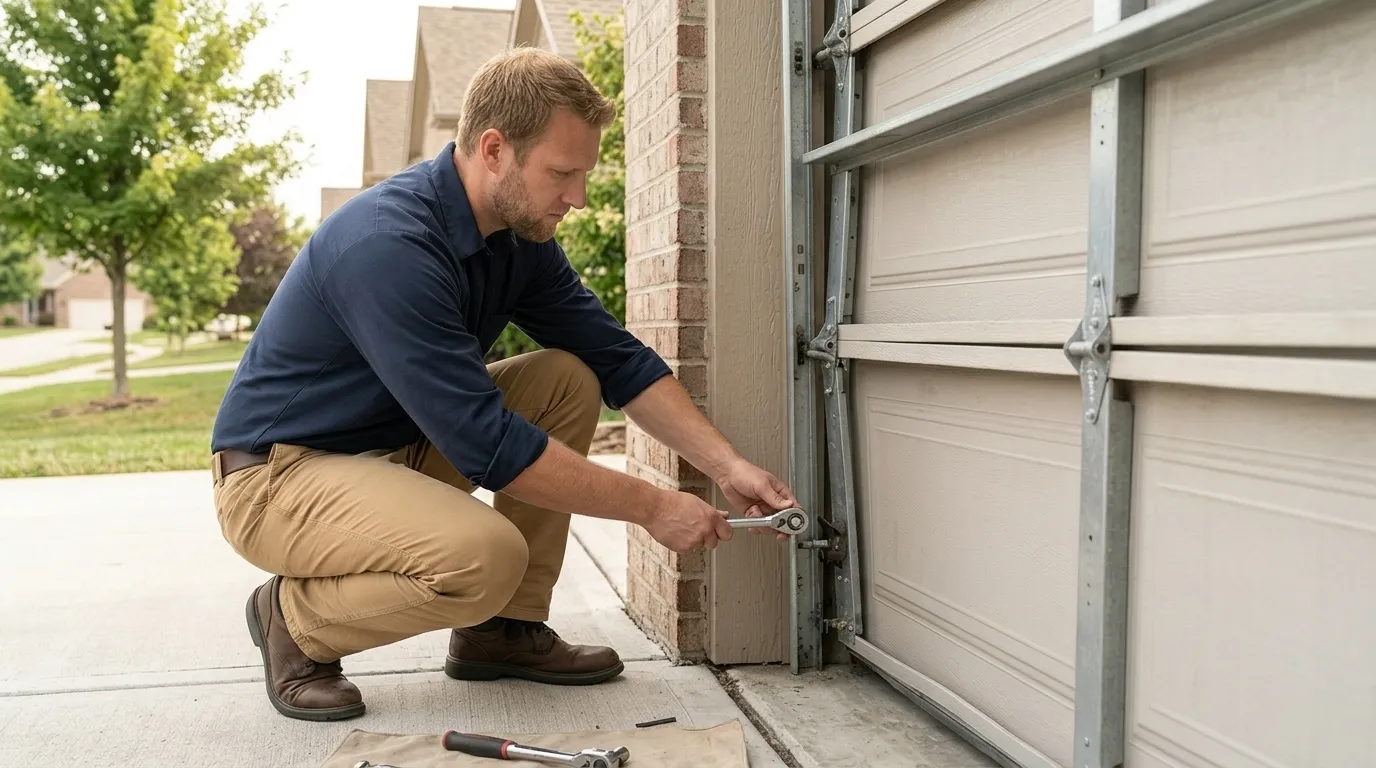
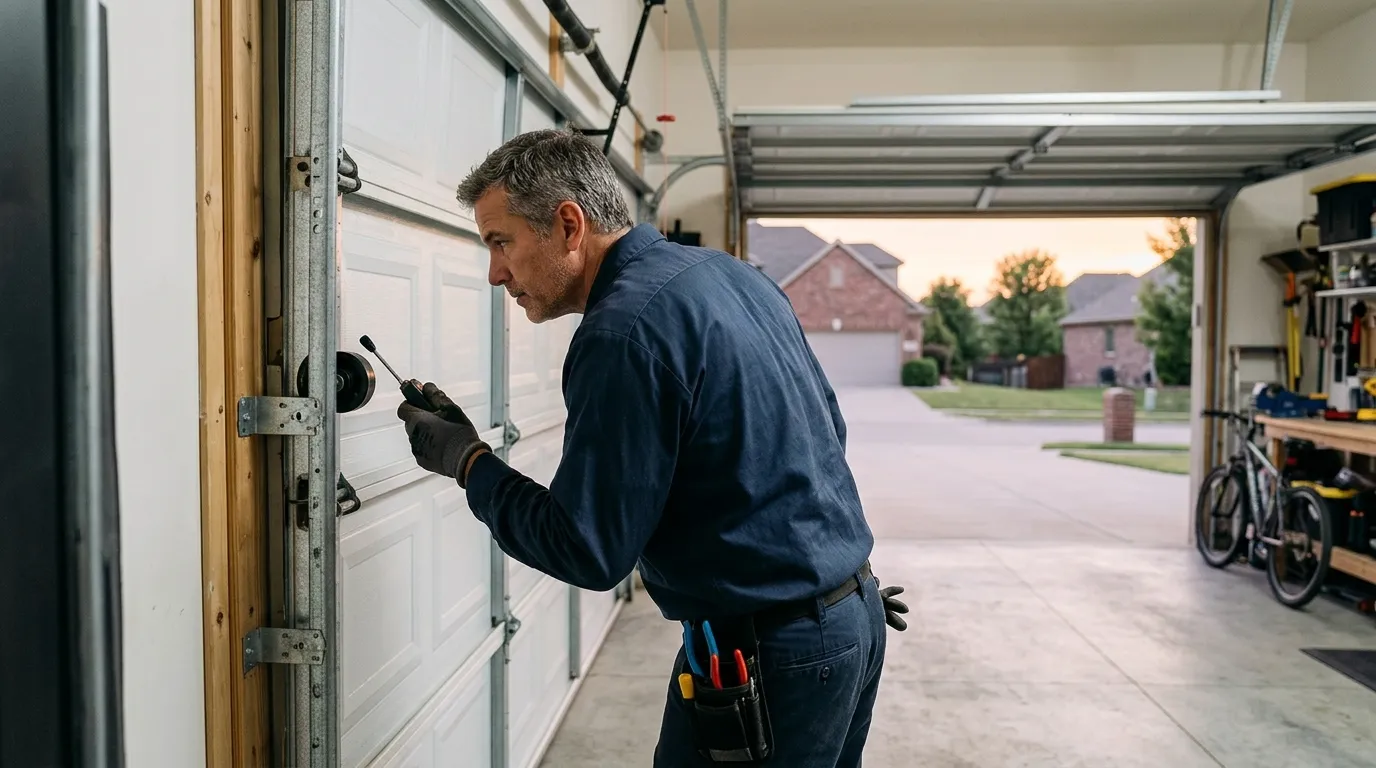
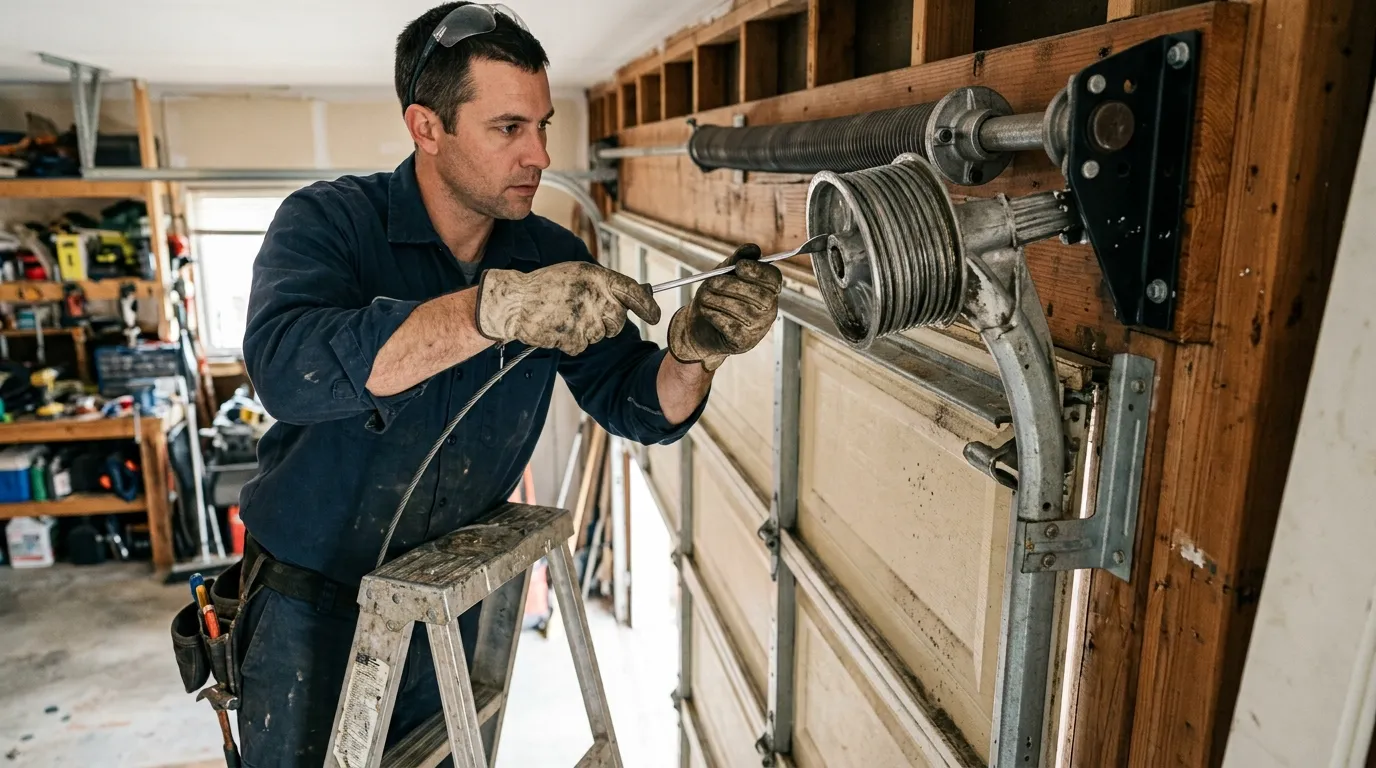
The call usually starts the same way: the door won't move, or it moved halfway and stopped, or it slammed down on its own. Sometimes there's a loud bang from the garage a few minutes before, which is almost always a torsion spring letting go. Other times the opener runs but the door doesn't lift - that's the spring again, just failing quieter, leaving the opener to fight a load it was never built to carry alone.
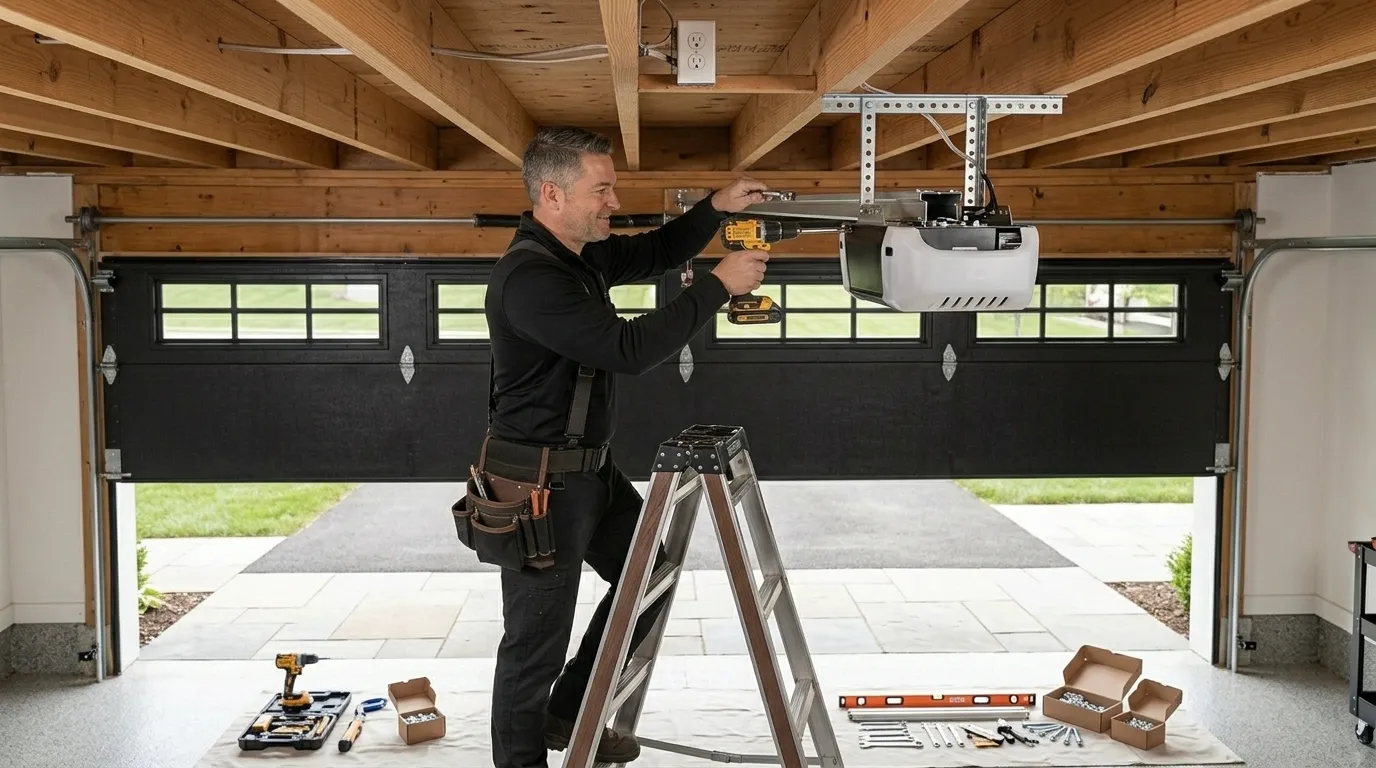
Across the service area - homes built anywhere from 1963 to 2003, with most going up around 1976 - the pattern repeats itself in a predictable order. First the spring goes. Then, if nobody catches it, the opener's gears strip trying to compensate. Then a cable frays under the extra strain. It's rarely one clean failure; it's usually a chain of small ones that started with a spring nobody replaced in time.
If your door is dead in the down position and you can hear the opener motor straining without movement, don't keep hitting the button. That's the fastest way to turn a spring job into a spring-and-opener job.
Why This Fails Locally
This isn't a generic garage door problem - it's tied to what's actually sitting in driveways here. The five areas that make up this housing stock are mostly 1960s and 70s builds, and homes from that era were fitted with torsion spring setups sized for the doors of the time: heavier steel panels, standard-width openings, springs rated for a 20-to-25-year working life if they're lucky. A lot of those original springs are still in service decades past when they should've been swapped.
Then there's the climate. Idaho Falls sits in a cold-severe band, and steel spring wire gets brittle and loses tension faster through repeated hard freezes than it does in a mild climate. A spring that might limp along another two winters in a warmer town gives out here on the first real cold snap, usually early in the morning when the metal has been sitting at its coldest overnight.
With 4,983 owner-occupied houses among 10,269 households in this area, and most of that stock clustered around the same build decade, a lot of these springs are aging out at roughly the same time. That's not a coincidence - it's a fleet of doors built to the same spec, hitting the same wall on the same cold nights.
The Cost of This Job
We don't have a set price to quote you here, and any page that gives you one without seeing your door is guessing. What we can tell you is what drives the number up or down: whether it's a spring-only fix or a spring-plus-opener repair, whether the cable also needs replacing, and whether your door is a standard single or the wider double common on newer builds in the area.
With a median household income of $64,273 across the service area, most homeowners here are weighing this against a real budget, not treating it as a rounding error. That's part of why we'd rather tell you honestly which repairs are worth doing and which ones mean the door itself - not just the spring - is due for replacement, than pad a bill with parts you don't need.
The area we cover reaches out to Ammon at four miles, Shelley at nine, Rigby at fourteen at fifteen, and Ririe at seventeen. A broken spring at 6 a.m. in any of those towns is the same job as one in town - it just means the truck has a few more miles to cover before the bars come out.