What You Are Seeing
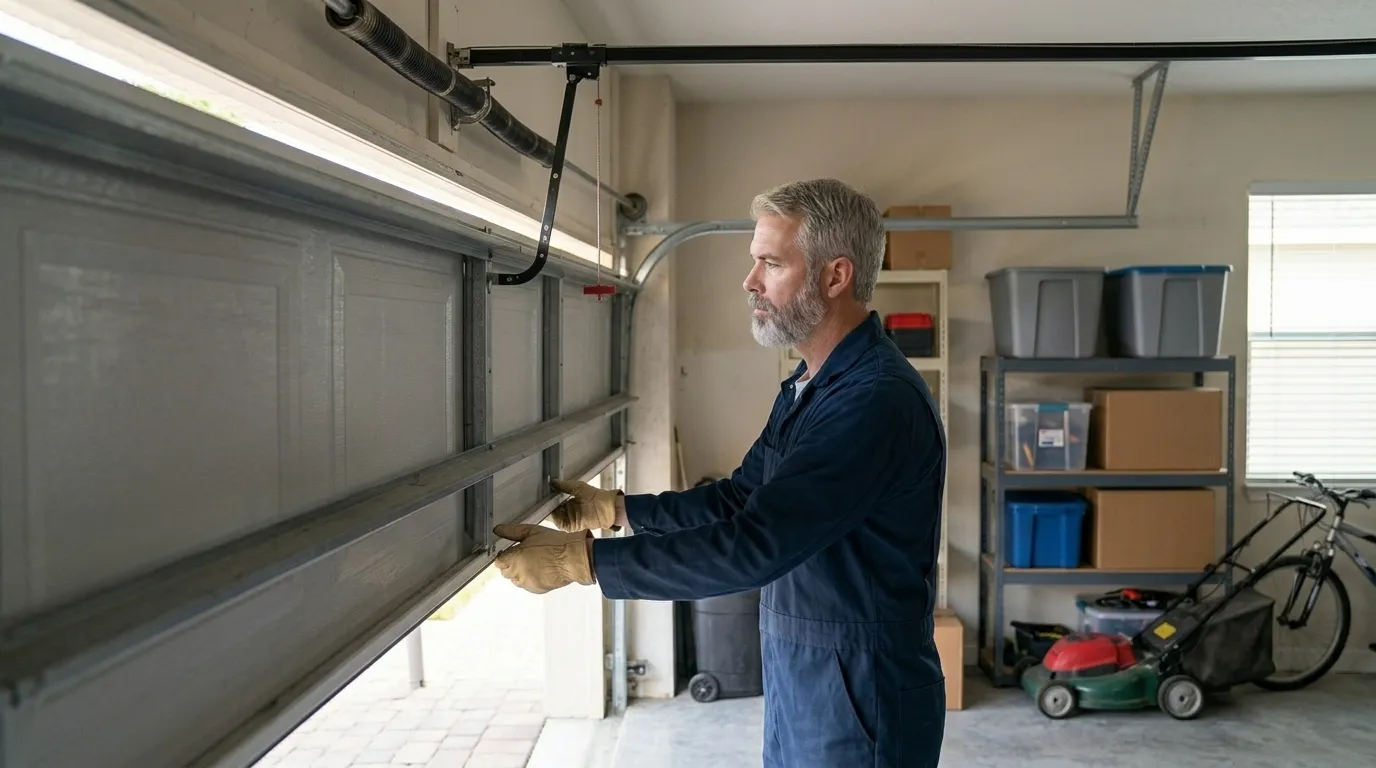
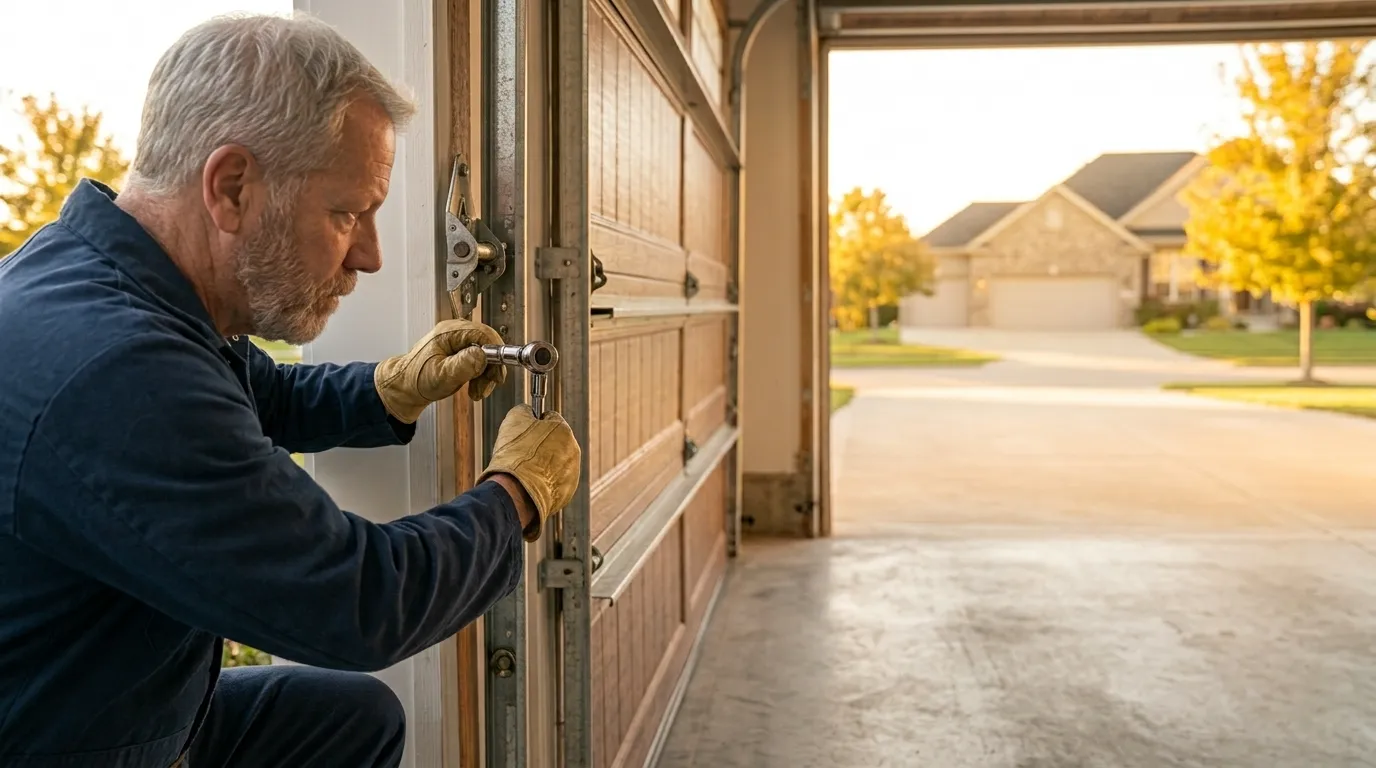
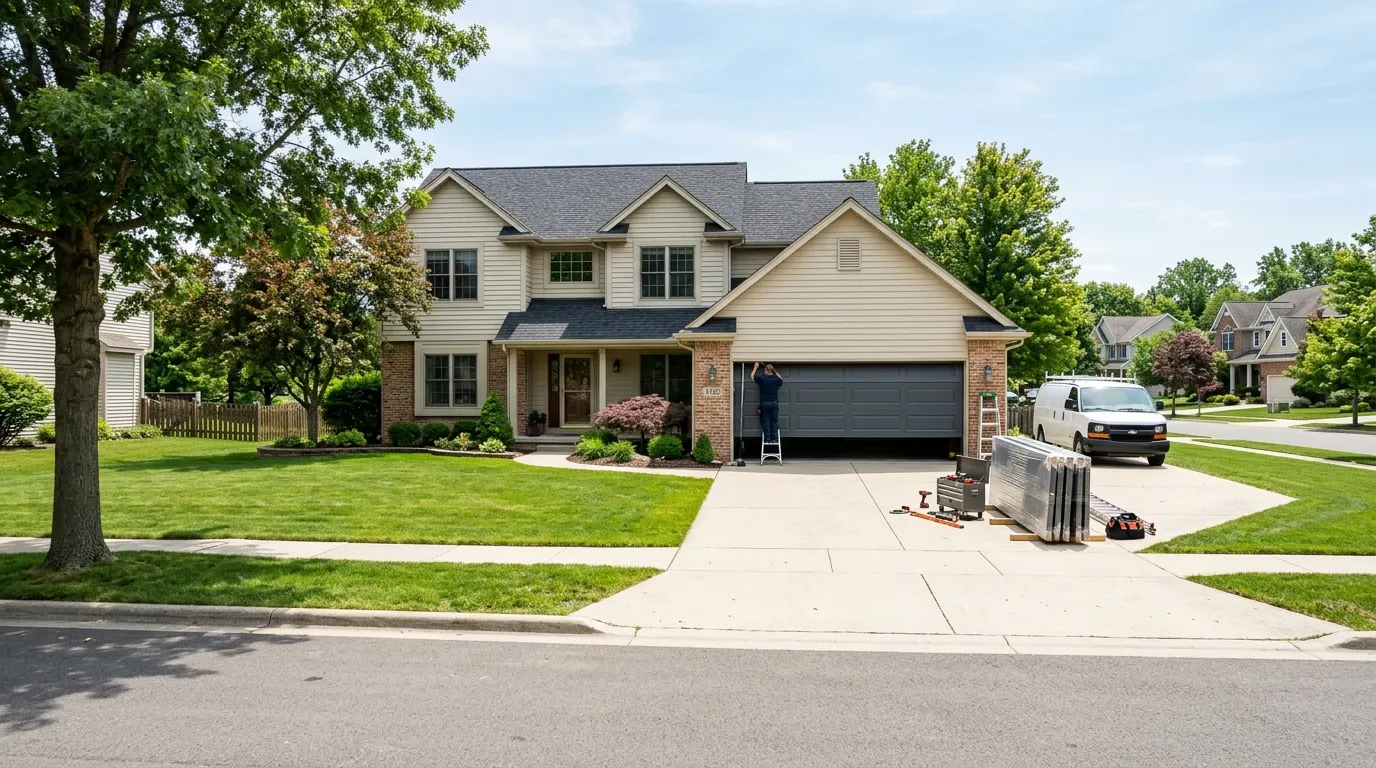
Ammon sits four miles from our shop in Idaho Falls, close enough that the drive itself is never the reason a job runs long here. What changes the job is the houses. Most homes in Ammon went up around 2003, a full generation newer than the 1963-2003 stock, median 1976, spread across the rest of our service area. That later build date means the openers failing in Ammon right now are mostly the same rolling-code, safety-sensor units installed when these houses were framed, not the chain-drive relics we pull out of older streets in Idaho Falls proper. You're less likely to be dealing with a unit that predates photo-eye sensors and more likely dealing with a logic board or a worn drive gear on a unit that's simply hit twenty years of use. The symptoms look similar from the driveway - a door that won't respond, a light that blinks and won't set, a remote that used to work and now doesn't - but the fix underneath is different. On a 2003-era opener you're usually replacing the whole head unit rather than chasing a part that stopped being made. We check the rail, the sensor alignment, and the wiring before we say the board is dead, because sometimes it isn't.
How Long It Takes
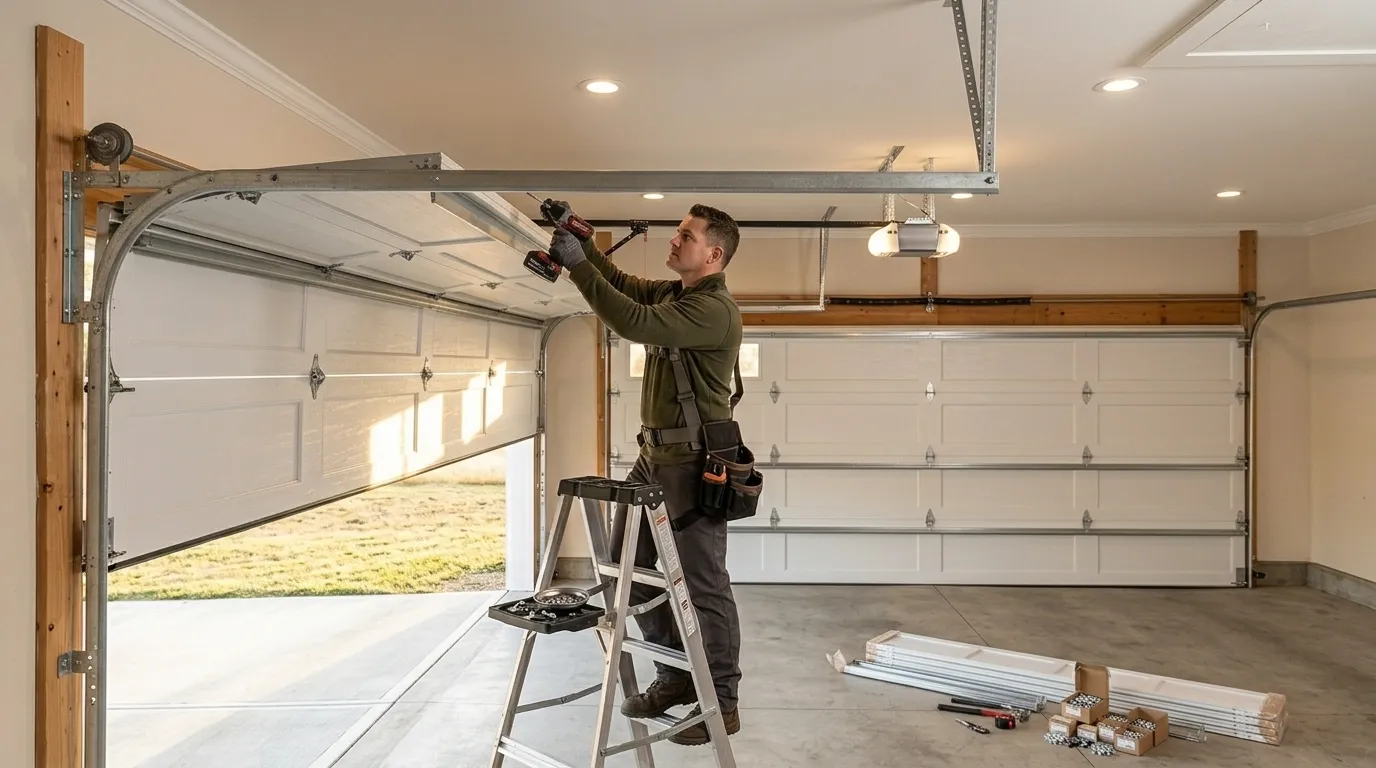
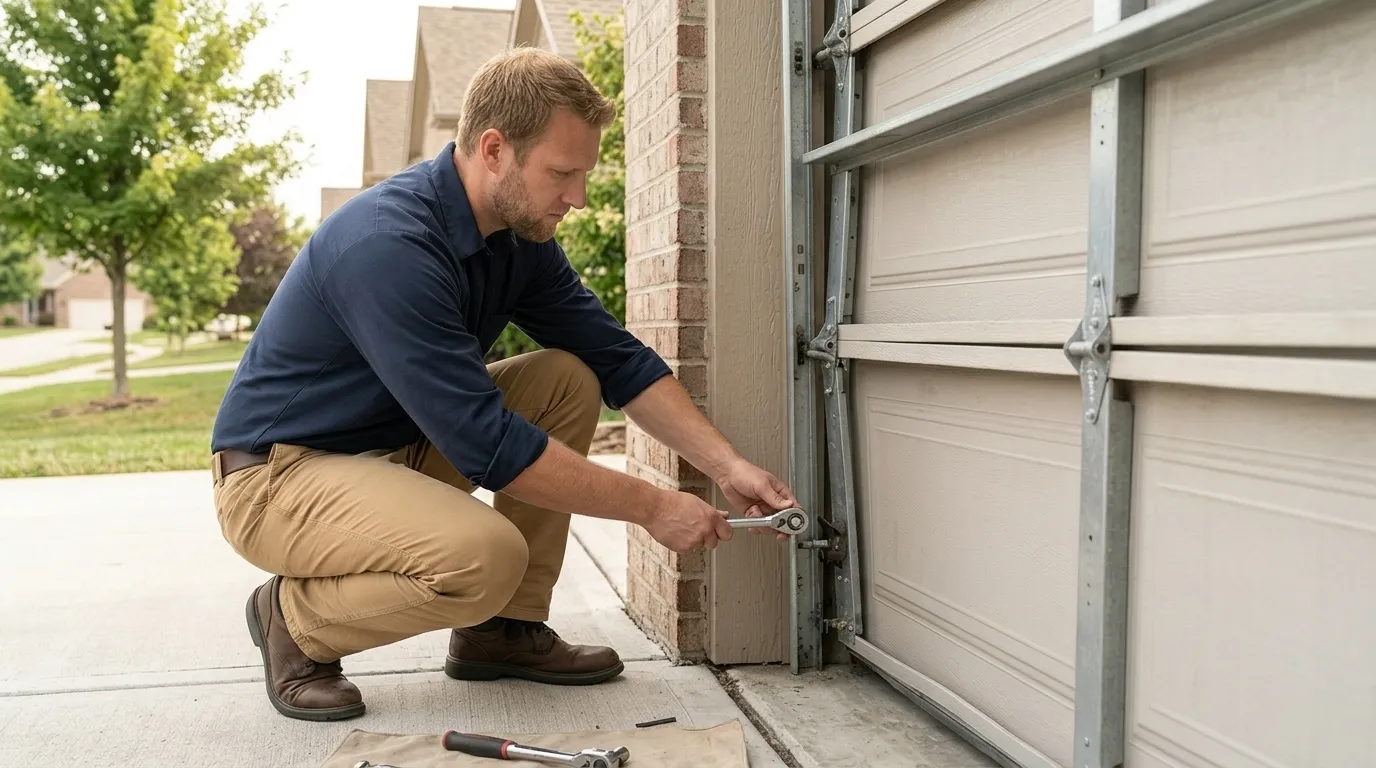
A straight opener swap - old head unit off, new one mounted, rail and sensors reused if they're still square - is a same-visit job in most cases. Where it runs longer is when the existing rail or mounting bracket doesn't match the new unit's hardware, or when the wall control and safety sensors need rewiring because the old ones were spliced years ago by someone in a hurry. Battery-backup units, which we're installing in Ammon more often now, take a bit more bench time up front to set the backup unit and test it under a simulated outage before we leave. We won't guess a number for you over the phone before we've seen the opener, the rail length, and how the door itself is balanced - a heavy door with weak springs will beat up a new opener fast, and that's a separate conversation before we install anything.
Why This Fails Locally
This is a severe-cold climate, and cold is hard on openers in a specific way: grease in the drive gear stiffens, sensor lenses fog and misread, and battery-backup units - which need a real charge to work when the power drops during a storm - lose capacity faster in an unheated garage. With a median household income of $84,154 in Ammon, well above the $64,273 median for the wider service area, we see more requests here for the belt-drive, battery-backup upgrade instead of a like-for-like chain-drive swap; it costs more up front but it holds up better through a cold snap that takes the power with it. At 6,142 households, Ammon is smaller than the wider service area's 10,269, but its housing is tighter in age - built mostly in one stretch around 2003 rather than spread across five decades like the older sections of Idaho Falls. That means when one opener in a neighborhood starts failing on cold mornings, others nearby are usually close behind it, same age, same wear pattern.
The Cost of This Job
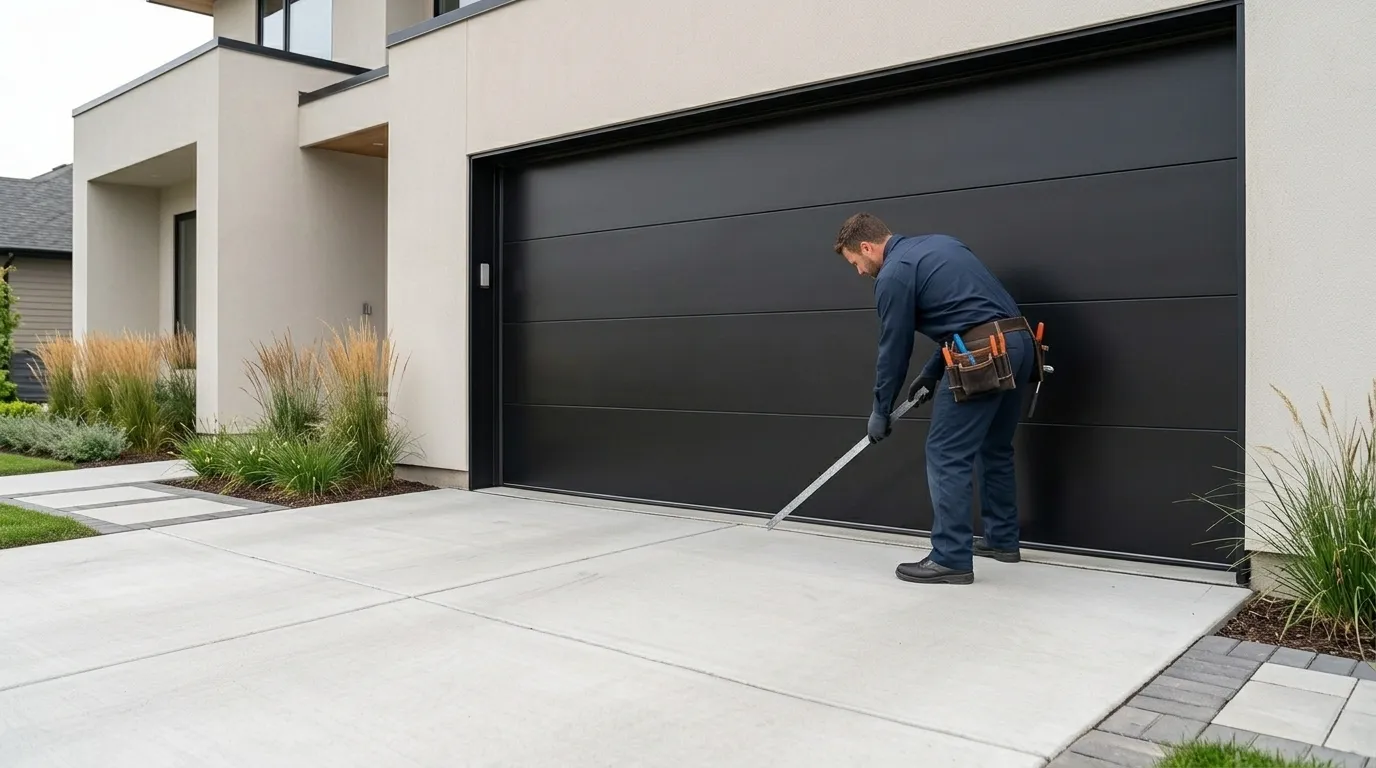
We don't have a set price to quote here without seeing the door - a plain chain-drive swap costs less than a belt-drive unit with battery backup, and the backup unit is the piece most Ammon homeowners are asking about given the colder mornings and the newer housing stock's wiring already set up for it. What we can tell you honestly: if your opener is original to a 2003 build, it's near the end of a normal service life regardless of brand, and patching a dying logic board on a twenty-year-old unit usually costs close to what a new opener costs installed. We'll tell you straight if a repair isn't worth it rather than billing you for a patch that fails again in six months. For the full run-down on install pricing and options, the opener page for Idaho Falls covers what we offer across the whole service area.