What You Are Seeing
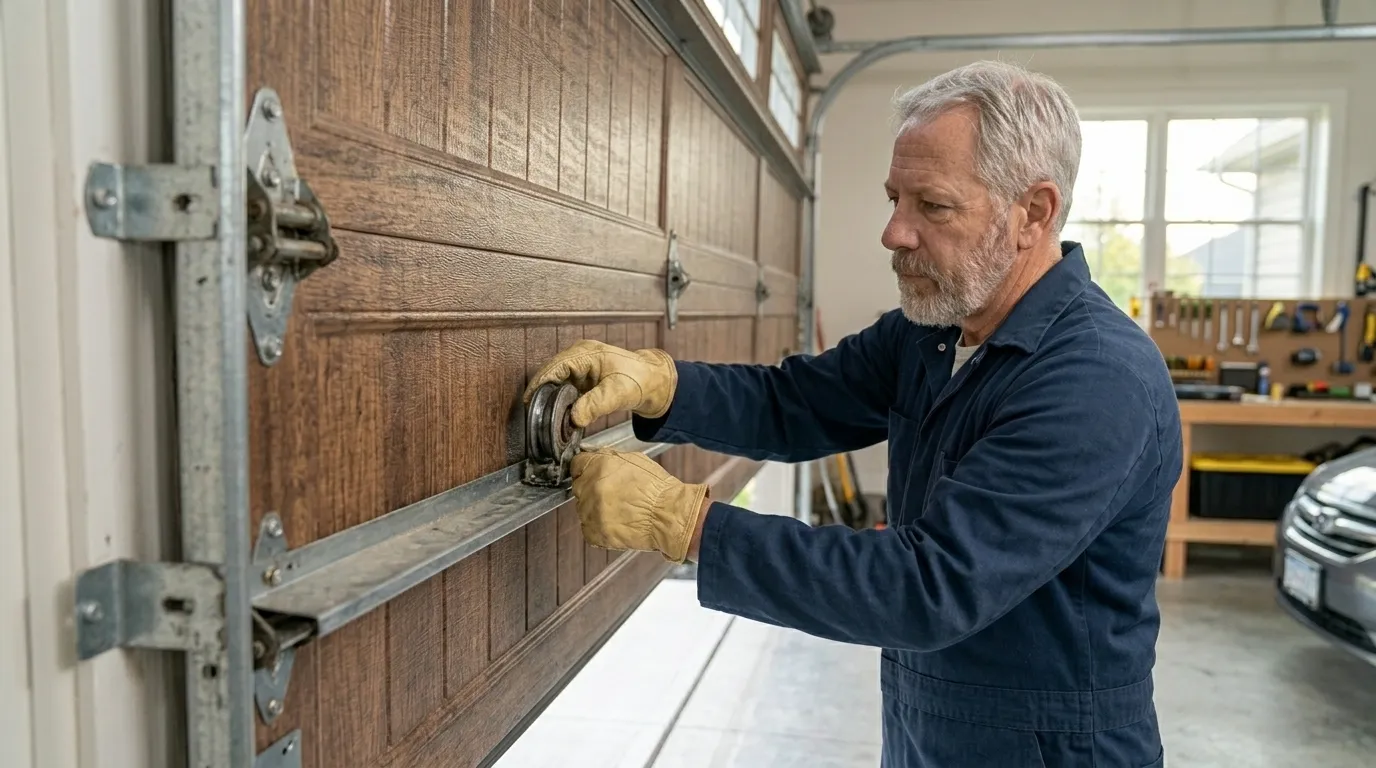
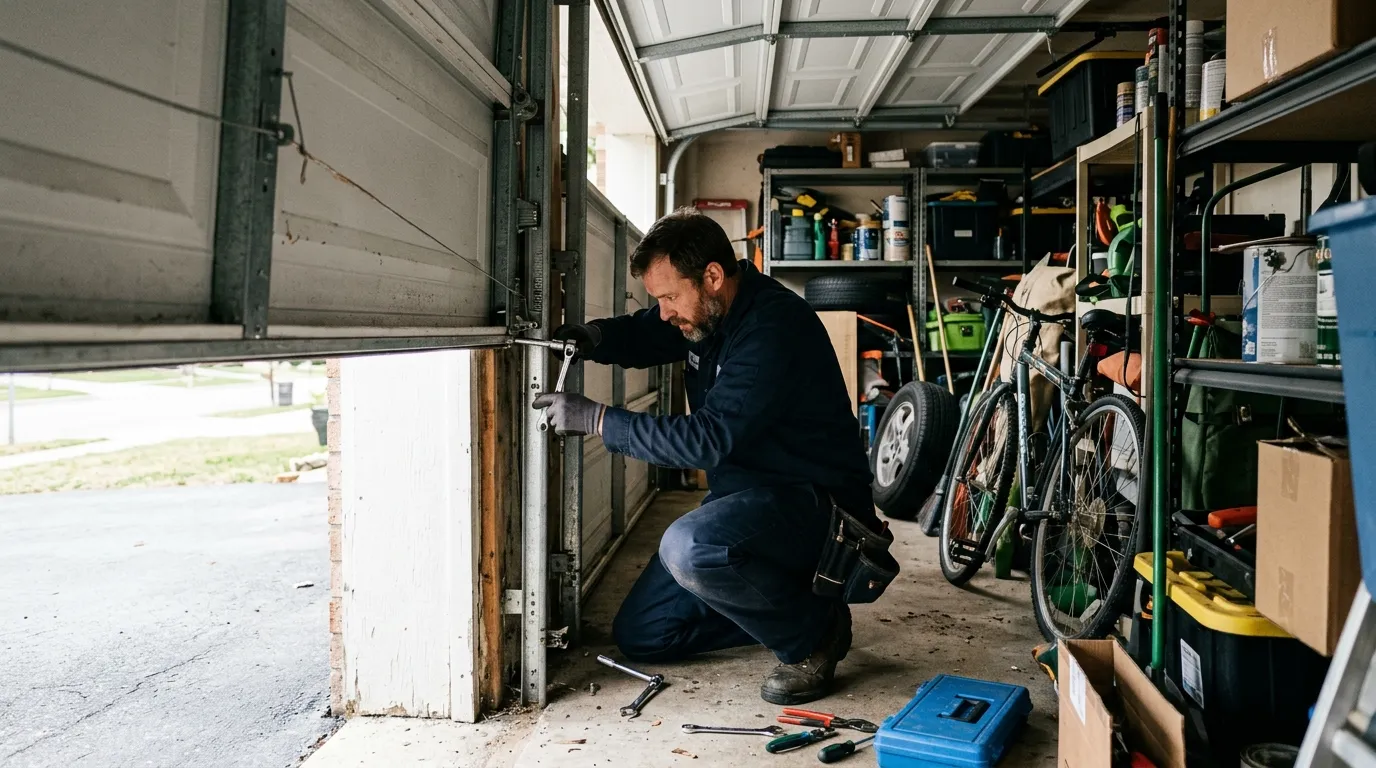
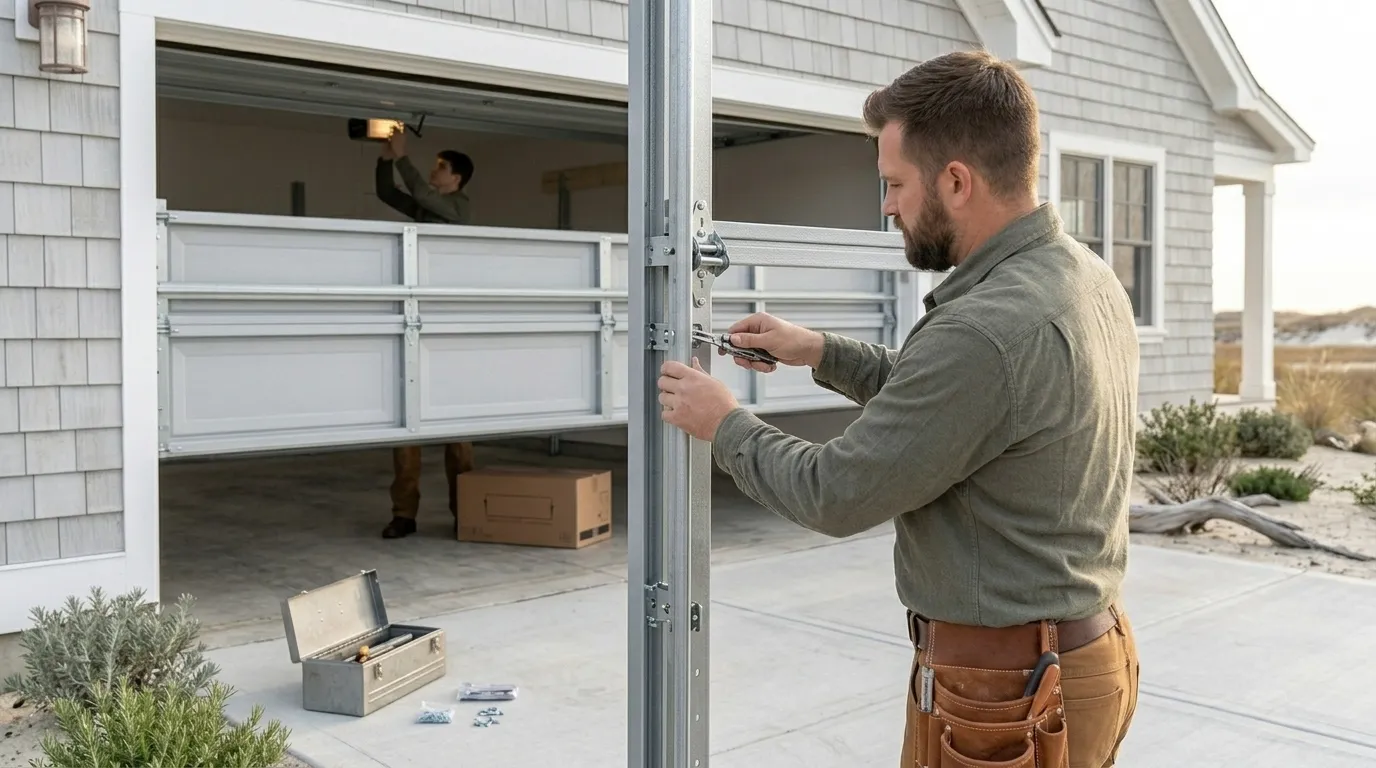
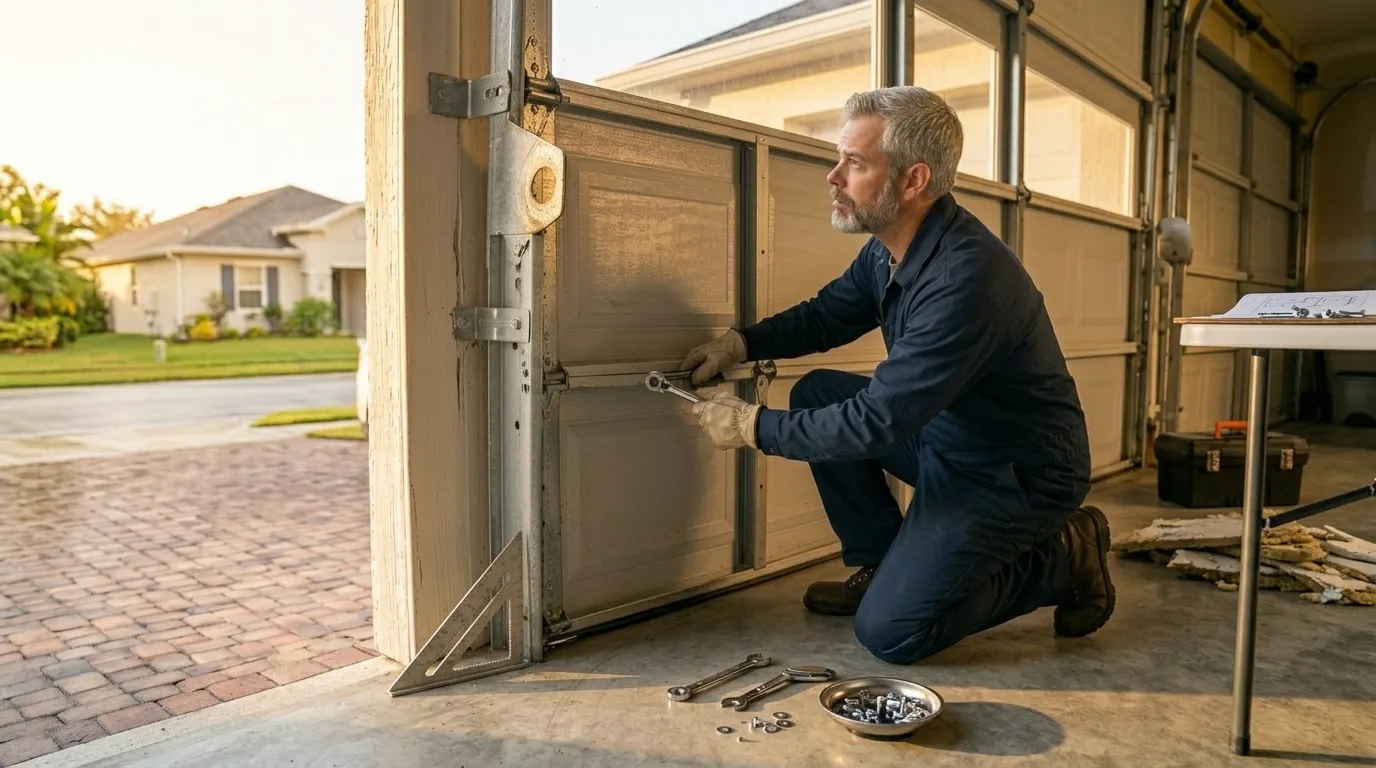
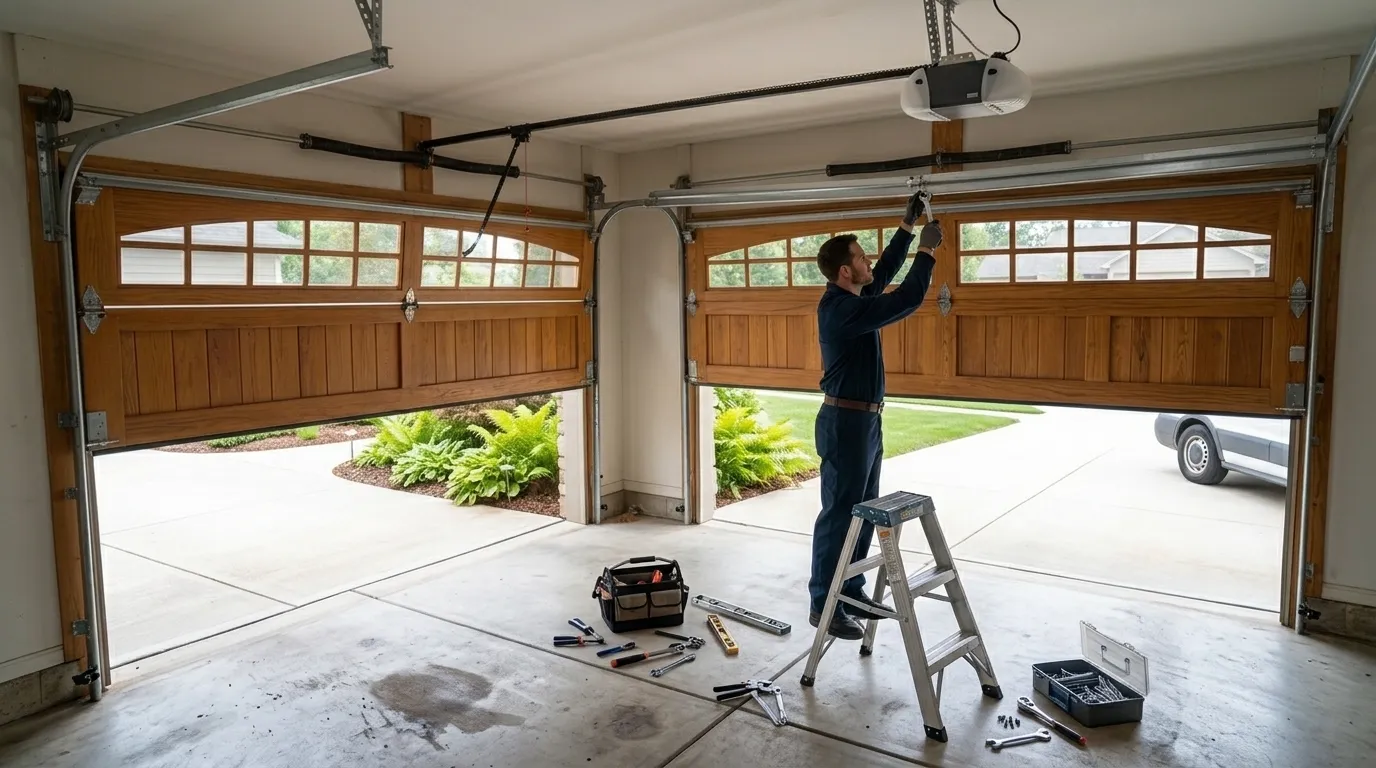
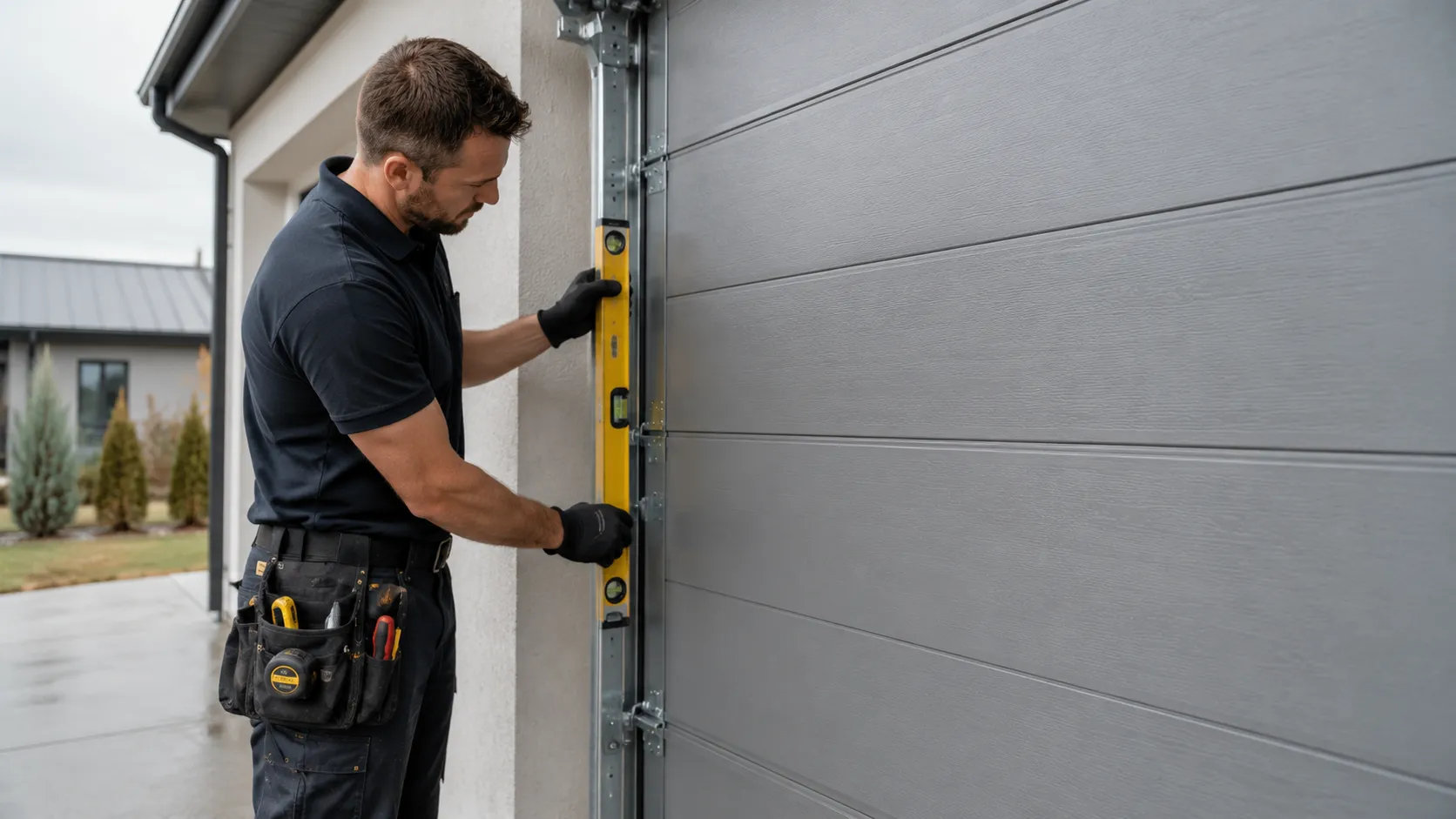
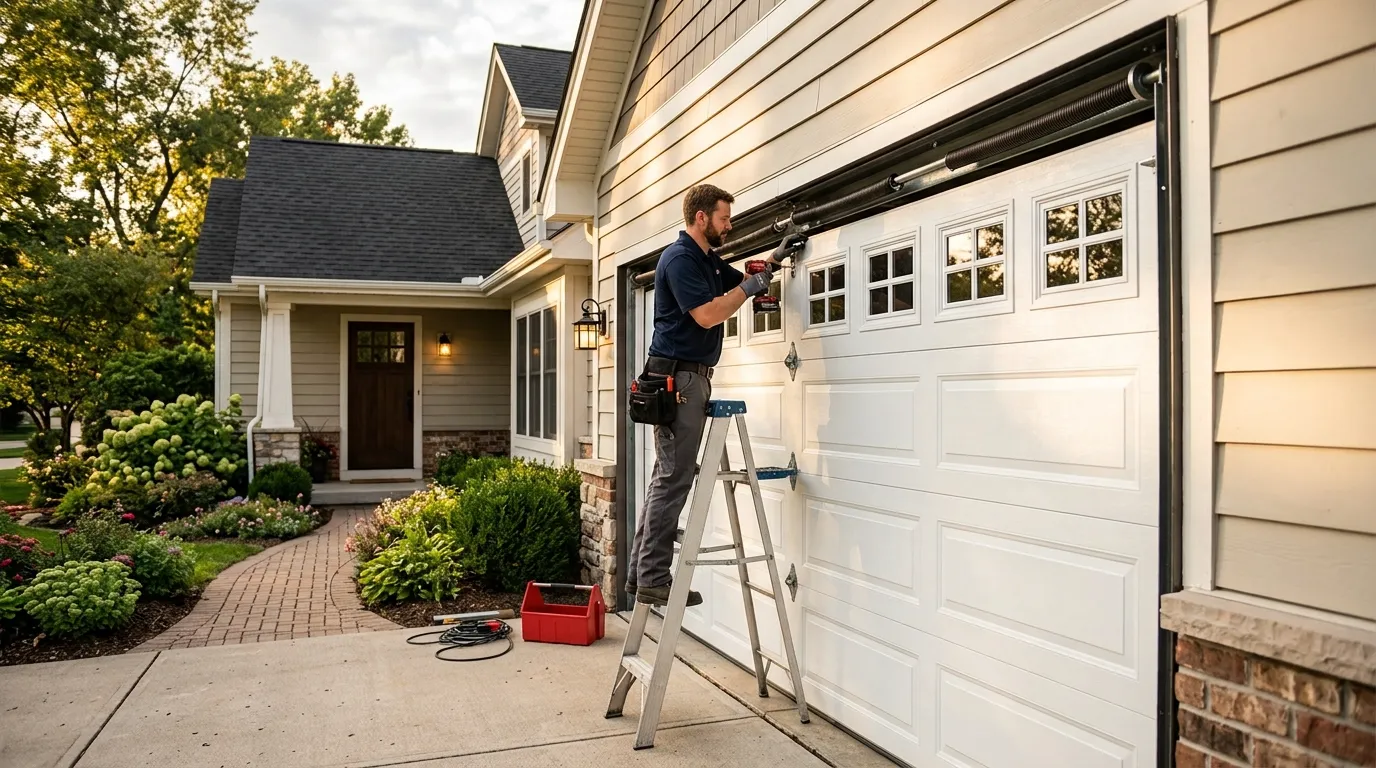
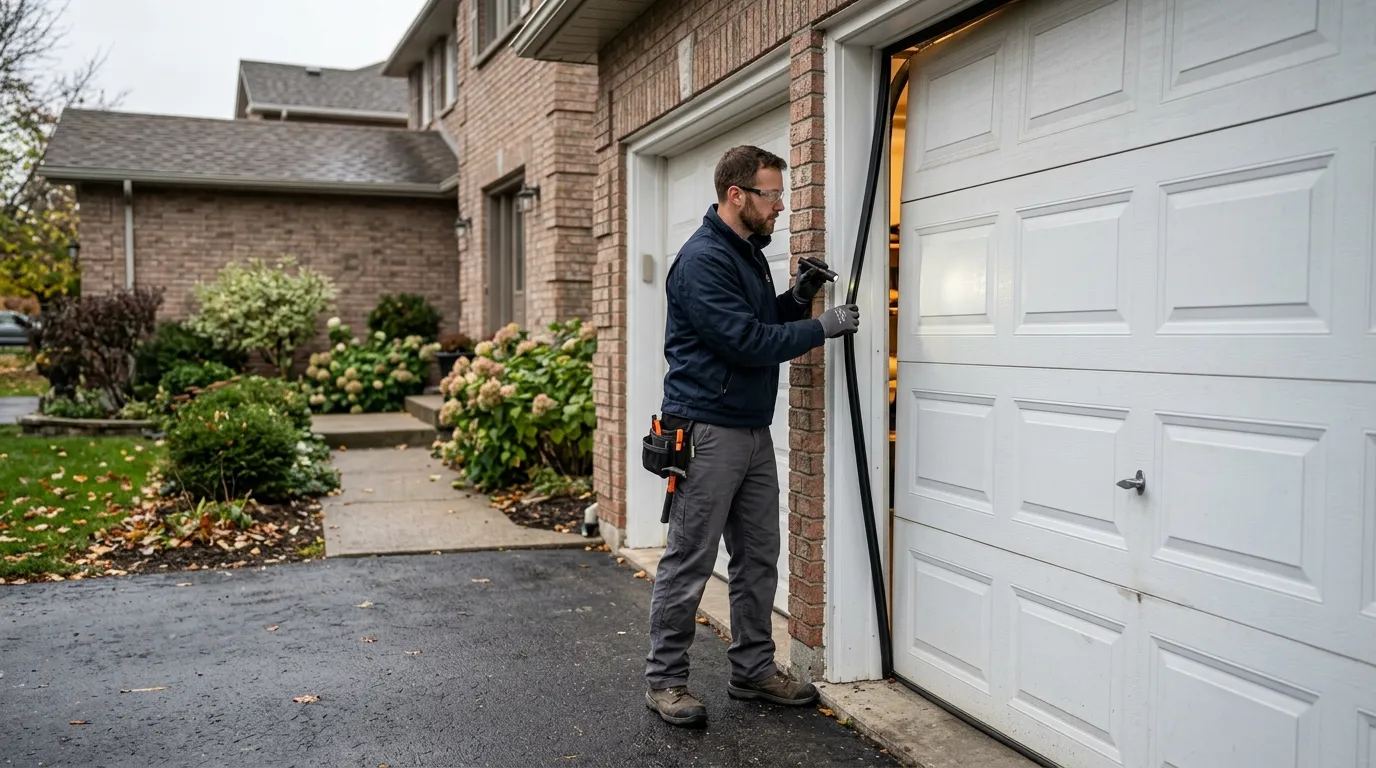
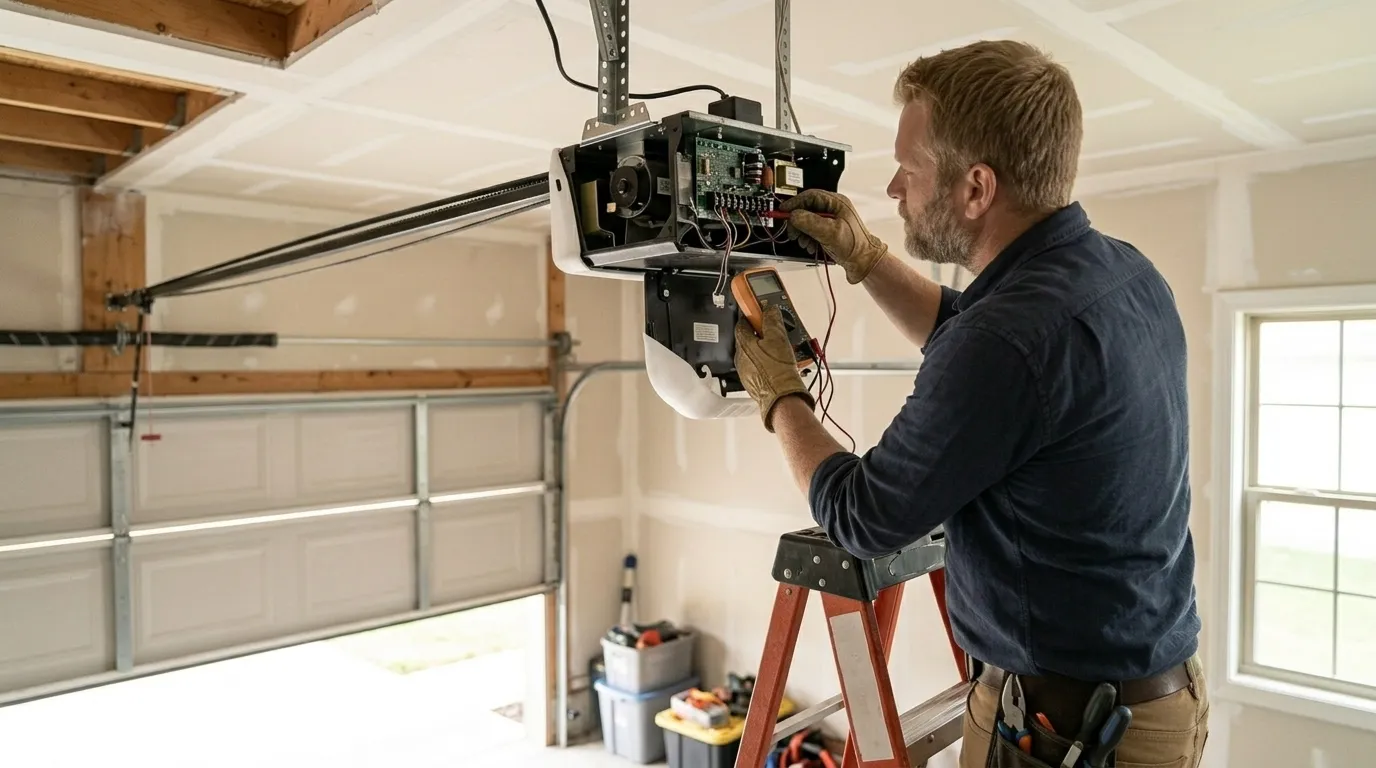
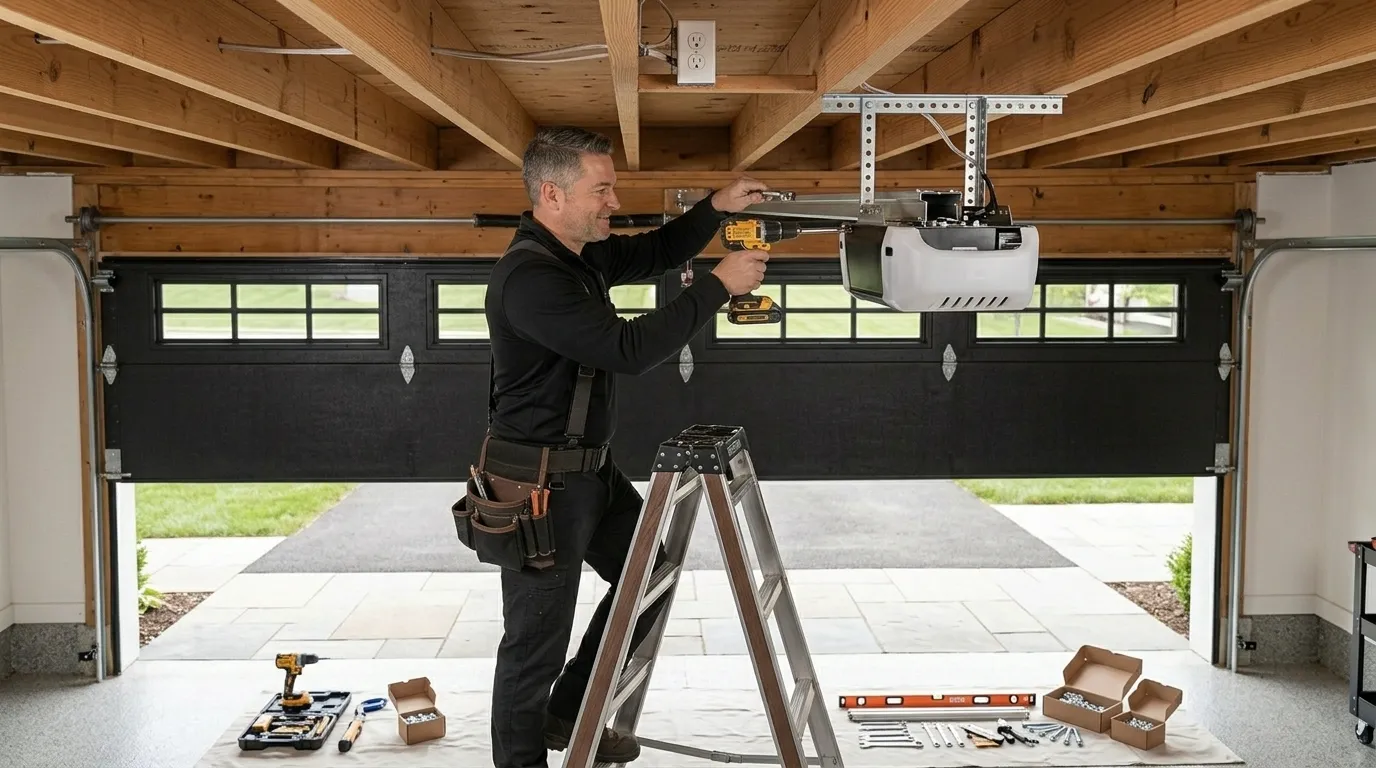
If your door groans going up, hangs crooked on one side, or won't seal at the bottom anymore, you're not imagining it. A lot of the calls we run come from the same handful of symptoms: a door that's noticeably heavier on one side than the other, rollers that have gone from rolling to grinding, or a bottom seal that pulls away from the slab the second the temperature drops. In the older sections of town - and there are five named areas here still running mostly 1960s and '70s stock - these aren't random failures. They're the predictable end point of hardware that's now 50 to 60 years old doing a job it was never built to keep doing forever. Newer construction, built out through 2003, shows a gentler version of the same wear: factory torsion springs starting to sag, openers original to the house finally giving out. Either way, the door tells you before it quits on you, if you know what to watch for. Sagging on one side, a track that's pulled slightly away from the frame, or a spring coil that looks stretched rather than tightly wound are all the same warning, just at different stages.
Why This Fails Locally
Idaho Falls sits in a climate band the federal data classifies as cold-severe, and that matters more here than in a lot of places, because so much of the housing stock - median build year 1976 - predates the insulated steel panel becoming standard. A single-layer steel door built in that era flexes more in a hard freeze than a modern foam-core panel does, and that flex is exactly what pulls rollers out of true and works screws loose in the track brackets year over year. Torsion springs sized for the original lightweight panel start to strain if a previous owner ever swapped in a heavier insulated retrofit door without re-balancing the spring for it - a very common move in houses built in the '60s and '70s once owners started chasing energy savings decades later. Add in a severe cold snap and steel contracts just enough that a seal that worked fine in September won't touch the slab in January. None of this is a defect. It's what happens when 1970s hardware meets a winter it was designed to survive, but not forever.
The Cost of This Job
We don't post a flat number here because the honest answer depends on what's actually wrong and how old the hardware is. A door running original 1970s-era torsion hardware often needs parts that aren't stocked on a truck the same way current hardware is, which can add a return trip rather than a same-day fix. That's a real limitation, not a sales pitch - obsolete parts sometimes have to be sourced before the job finishes. Whether a repair makes sense versus a full door replacement usually comes down to the door's age relative to that median 1976 build year: a spring or roller fix on a door already past its expected service life can be good money after bad. With median household income here around $64,273, most owners we talk to want that comparison laid out plainly before they commit, and that's the conversation we have on-site rather than over the phone. If you're calling in from Ammon, Shelley, Rigby, Firth, or Ririe, the drive itself factors into scheduling more than into what the repair costs once we're there.