24/7 Emergency Service Open 7 days · 7am–8pm Serving Idaho Falls, ID & nearby
(208) 441-4128
Idaho Falls, ID

When an Older Garage Door in Idaho Falls Still Makes Sense to Fix

Idaho Falls homes from 1963-2003 face severe winters that stress old torsion springs and tracks. Here's when an older garage door is still worth fixing.

When an Older Garage Door in Idaho Falls Still Makes Sense to Fix

What Local Conditions Do

Most of the doors we look at here went in when the house did, and a lot of that housing stock across Idaho Falls dates from 1963 to 2003, with 1976 sitting right in the middle. That matters because a door built in that window is usually a steel sectional on a torsion spring system, not the newer insulated panels with sealed bottom astragals you'd find on a house built in the last ten years. Across the five older pockets of town that went up mostly in the 1960s and 70s, we see the same pattern: original tracks, single torsion springs sized for a lighter door, and hardware that was fine for the winters of that era but gets asked to do more than it was built for now. Severe cold doesn't just make a door harder to lift - it changes how the steel behaves. Panels contract, gaps open at the bottom seal, and the spring that held tension fine in September starts groaning in January. None of this is a defect. It's what forty-plus-year-old steel and forty-plus-year-old springs do in a cold-band town. The question isn't whether an older door will show its age here - it's whether the parts still on it are worth saving once they do.

The Cost of This Job

We can't quote a number without seeing the door, and we're not going to pretend otherwise. What we can tell you is what drives the cost up or down on a house of this vintage. If your door dates to that 1963-2003 build window and it's still got its original torsion spring and drum setup, a straight spring swap is usually a contained job - the hardware is common enough that we carry it on the truck. Where cost climbs is when the track is bent, the bottom panel has rusted through from years of snowmelt sitting against it, or the door was a size or style that isn't made anymore and a full section has to come from a supplier rather than off the shelf. Openers are their own category - a chain-drive unit installed decades ago on a house in one of the older 1960s-70s neighborhoods will often outlive its gears before it outlives the door itself. The honest limitation here: we don't stock every panel style that went into houses built in this town's older decades, and if yours is one of the odd ones, expect a lead time on that specific part, not on the labor.

The Seasonal Bit

Idaho Falls sits in a severe-cold climate band, and that shows up in the calls we get every winter. Torsion springs are wound steel, and wound steel loses a little tension as the temperature drops - a spring that was correctly balanced in July can feel heavy by January, not because it broke but because cold changed its behavior enough that the door doesn't sit right anymore. On houses from the 1963-2003 build era, where the springs are often original or a single replacement from years back, that seasonal swing is where the failure usually happens - not gradually, but all at once on a cold morning when the last bit of tension gives out. Ice at the bottom seal is the other piece. Older doors in this housing stock often have a thinner or hardened bottom astragal that doesn't flex well once temperatures drop hard, so the door can freeze to a wet slab or a puddle of melt overnight. None of that means the door is done. It means the seasonal stress here is real and it lands hardest on hardware that's already had forty winters on it.

The Problem

Across the service area there are roughly 10,269 households and about 4,983 owner-occupied houses, and a large share of them are sitting on garage door hardware installed when the house was built - somewhere in that 1963 to 2003 stretch. That's the actual problem: a lot of doors in this town are old enough to need real decisions made about them, not just tune-ups. Median household income here runs around $64,273, which is the number that usually decides whether a homeowner wants a full replacement or a targeted repair on an otherwise sound door. We see both, and both are reasonable calls depending on the door. If you're closer in, or out toward Ammon four miles east or Shelley nine miles south, the door age skews similar - this is a town where the housing came up over four decades, not all at once, so the fix that's right for one street isn't automatically right for the next. Further out toward Rigby, Firth, or Ririe, we still work off the same read: check the spring, check the track, check whether the panel style is still available, and only then talk about whether repair or replacement makes more sense.
How it works

From “it’s stuck” to “it’s fixed”

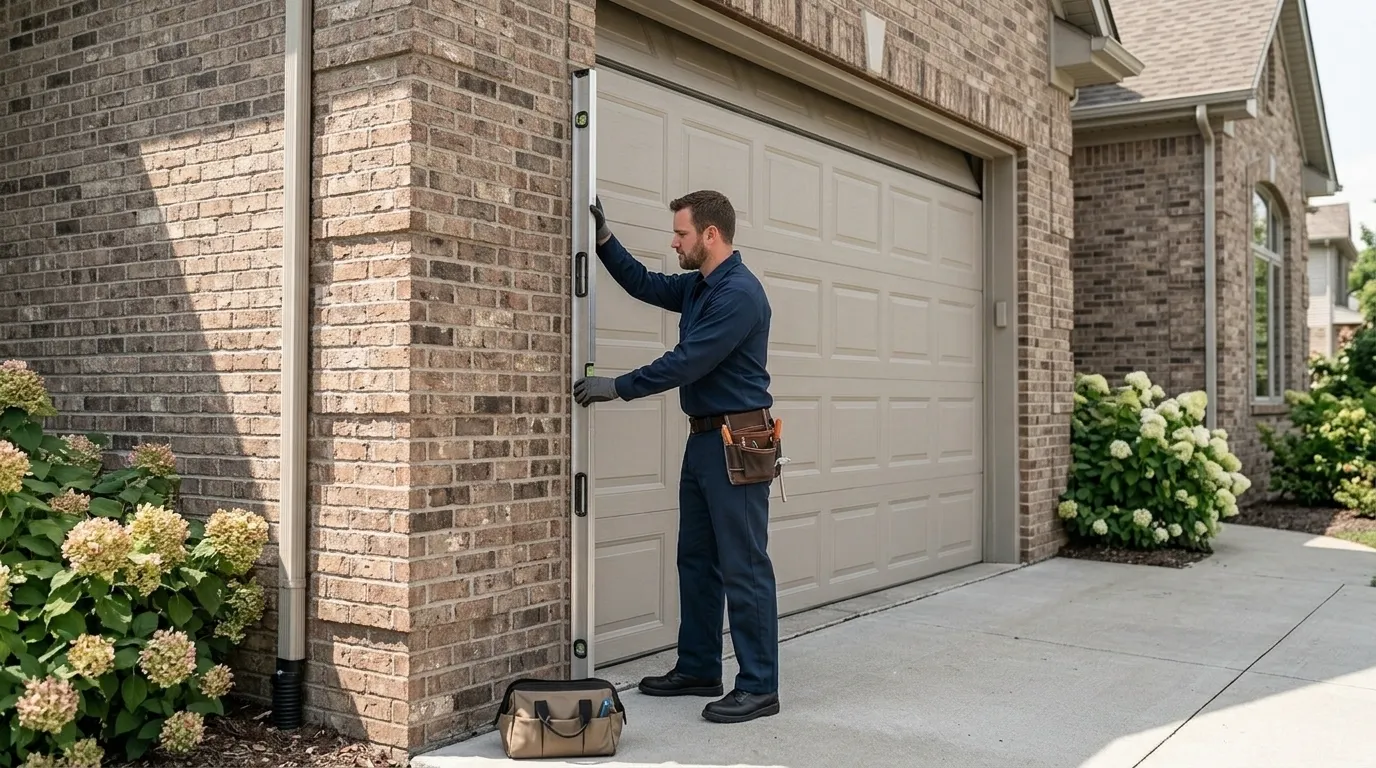
Tell us what’s wrong - Idaho Falls garage door service

Tell us what’s wrong

Describe the symptom - won’t open, loud bang, opener runs but the door won’t move.

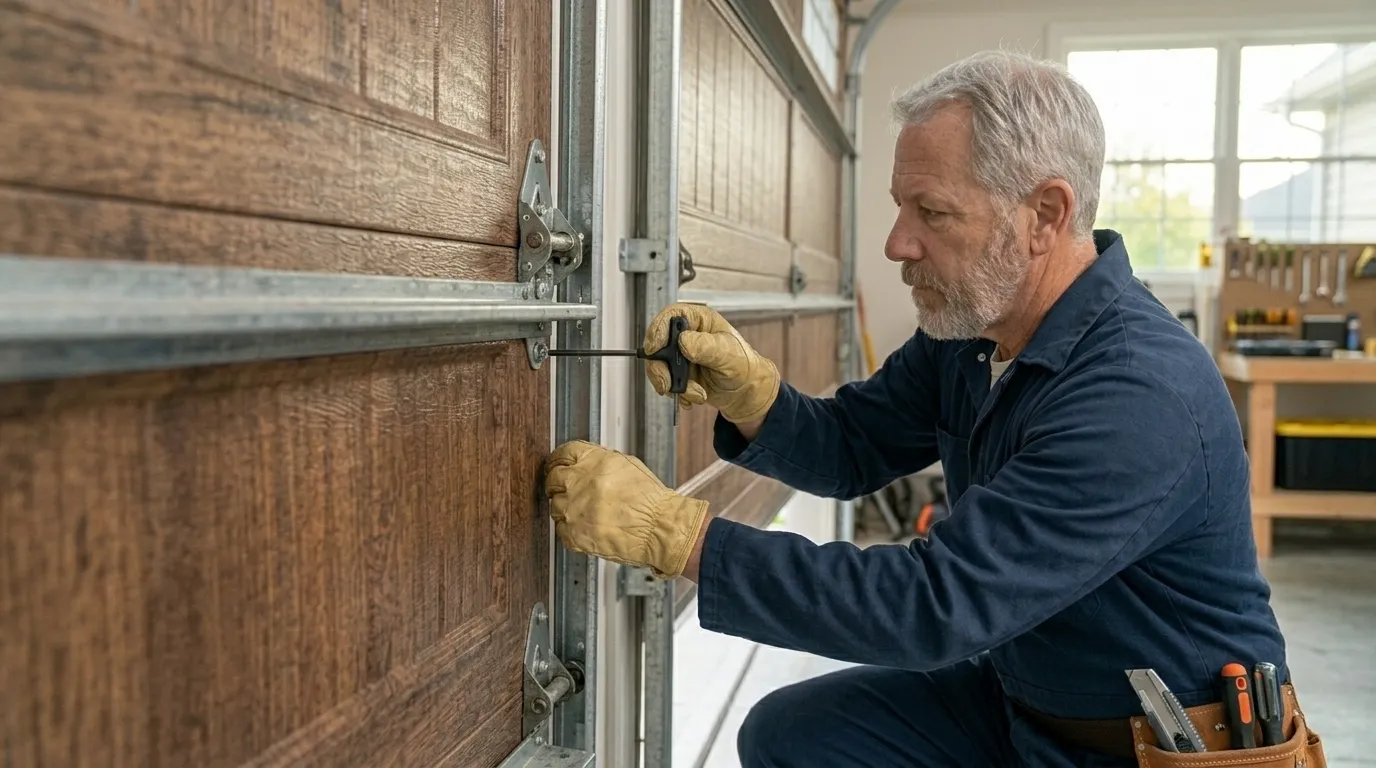
On-site diagnosis - Idaho Falls garage door service

On-site diagnosis

A technician tests the door under power and by hand and finds what actually failed.

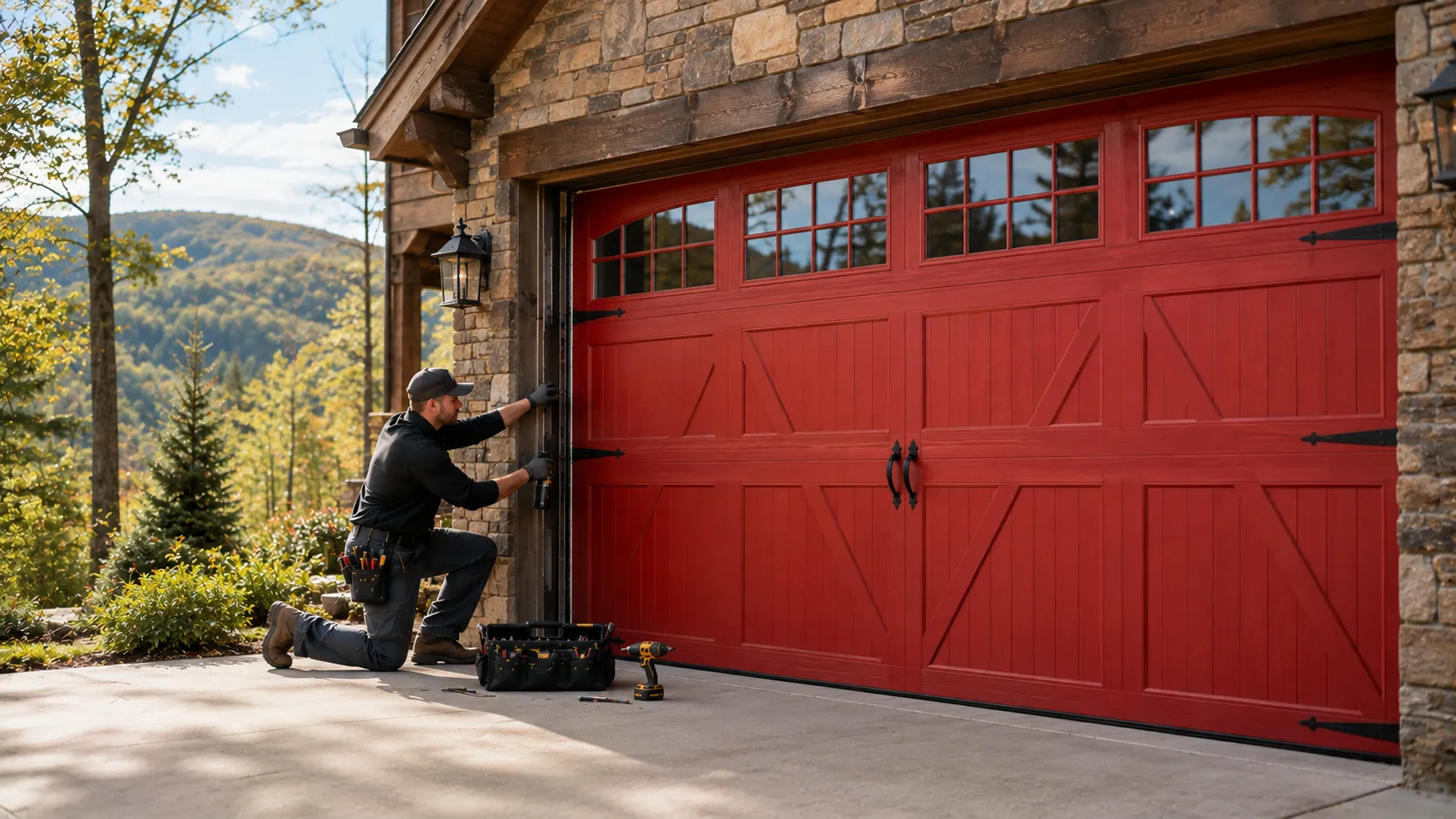
Clear, up-front plan - Idaho Falls garage door service

Clear, up-front plan

You get the fix that’s needed and what drives the cost - before any work starts.

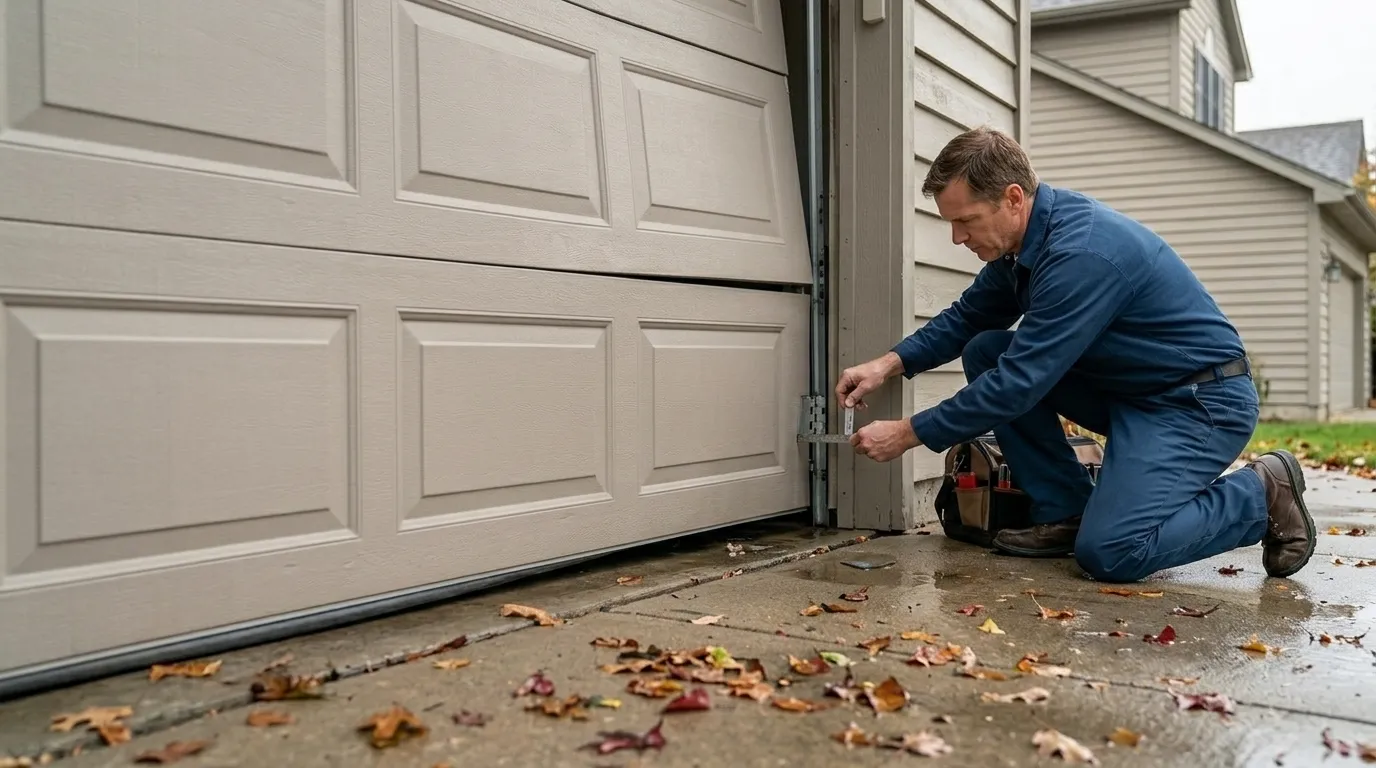
Repaired & tested - Idaho Falls garage door service

Repaired & tested

The repair is done, the door is set true and tested, and the work area left clean.

Serving Idaho Falls, ID - tell us what your door’s doing and we’ll take it from there.

How we work

What to expect

Diagnosis firstEvery visit starts by finding what actually failed - not a pre-written parts list.
The right part for the doorSprings and openers matched to the door’s weight and age, so the fix holds up.
Straight answersWhen a repair makes more sense than a replacement - or the reverse - you hear it plainly.
Clean, careful workTension released safely, hardware set true, the door tested under power before we leave.
Questions

Frequently asked

Straight answers about garage door repair in Idaho Falls. Still unsure? Ask us directly.

Is it normal for my garage door to feel heavier in winter?

Yes, and it's usually the torsion spring, not the door itself. Cold steel loses a bit of tension, so a spring balanced fine in summer can feel underpowered once temperatures drop hard, which happens often in this climate band. If it's suddenly much heavier rather than gradually, that's more likely a spring nearing failure than just cold.

My house was built in the 1970s - is the door original?

It's common in this area. A lot of the housing stock here dates from 1963 to 2003, and plenty of those doors still have their original torsion springs and tracks. Original hardware isn't automatically bad, but it's worth a look, especially if it's never been serviced.

Can you always get parts for an older door?

Usually for common torsion springs and track hardware, yes - that's on the truck. Where we run into a wait is a specific panel style from an older build that isn't made anymore. In that case the labor isn't the delay, sourcing the exact section is.

When does it stop making sense to repair an old door?

When the track is badly bent, the panels are rusted through, or the parts needed are no longer made and have to be special-ordered at real cost. Short of that, a spring, cable, or roller repair on an older door is usually the cheaper and faster route.

Ready to get your garage door sorted?

Tell us what it’s doing and where you are in Idaho Falls - we’ll take it from there.

Request a QuoteCall