What You Are Seeing
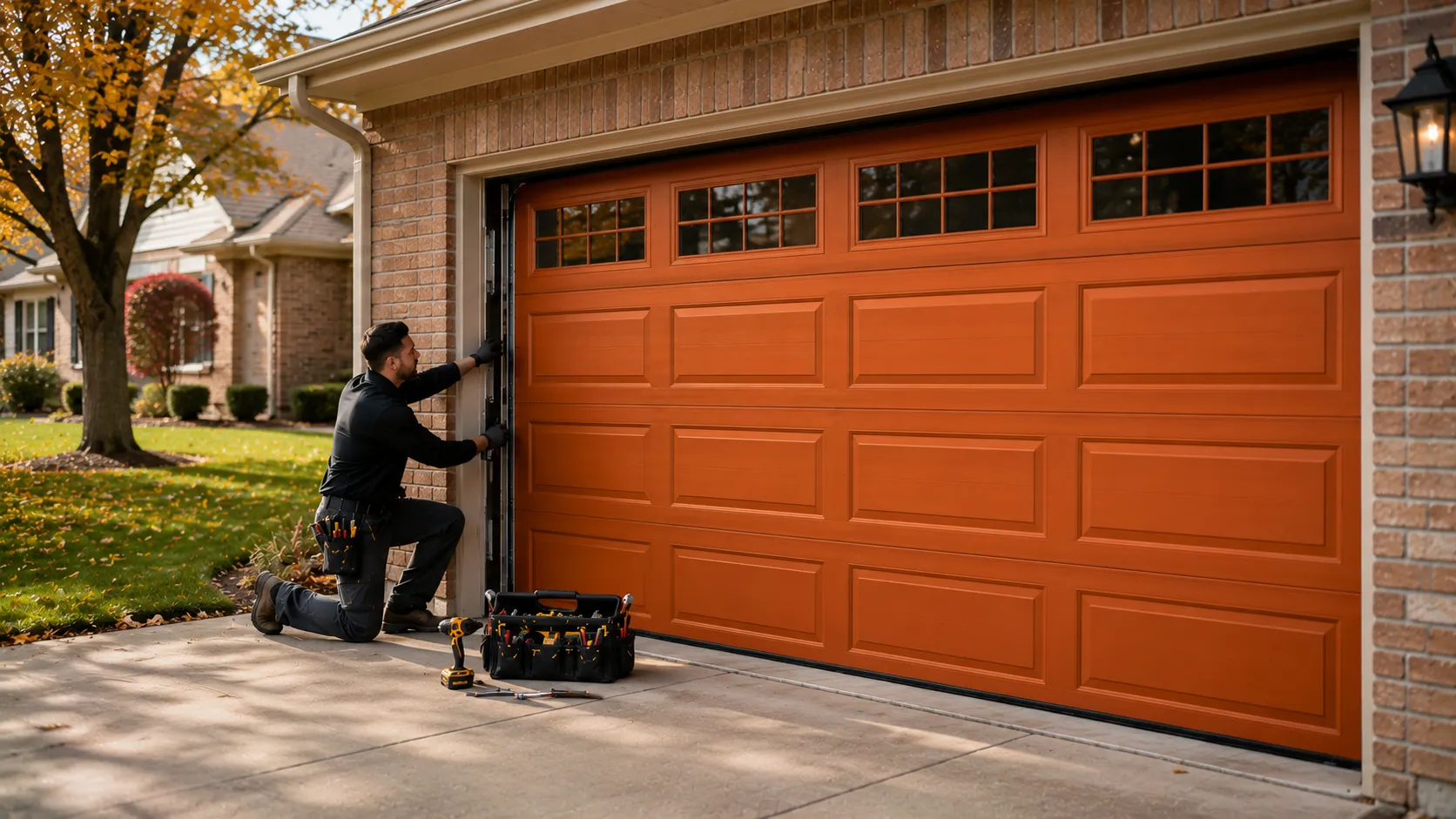
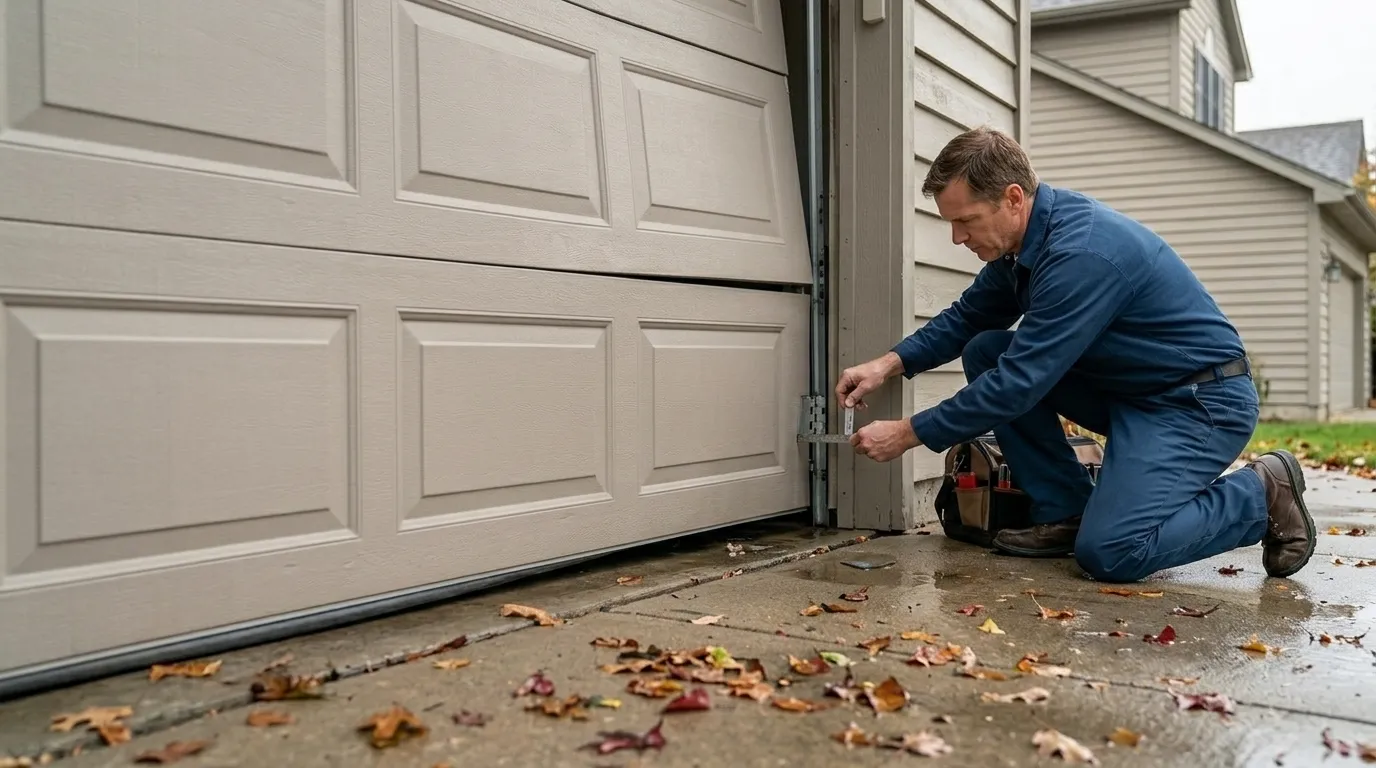
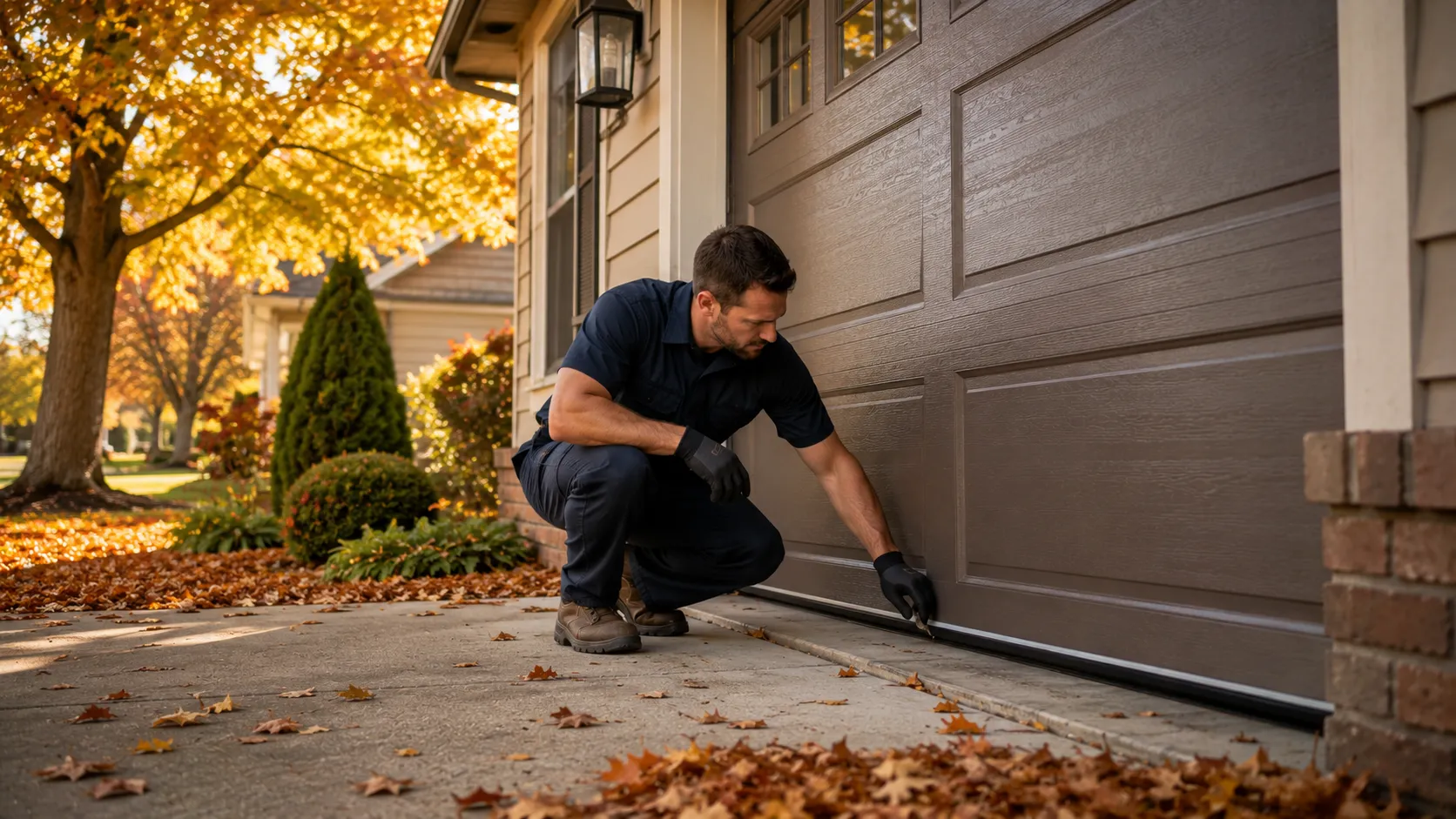
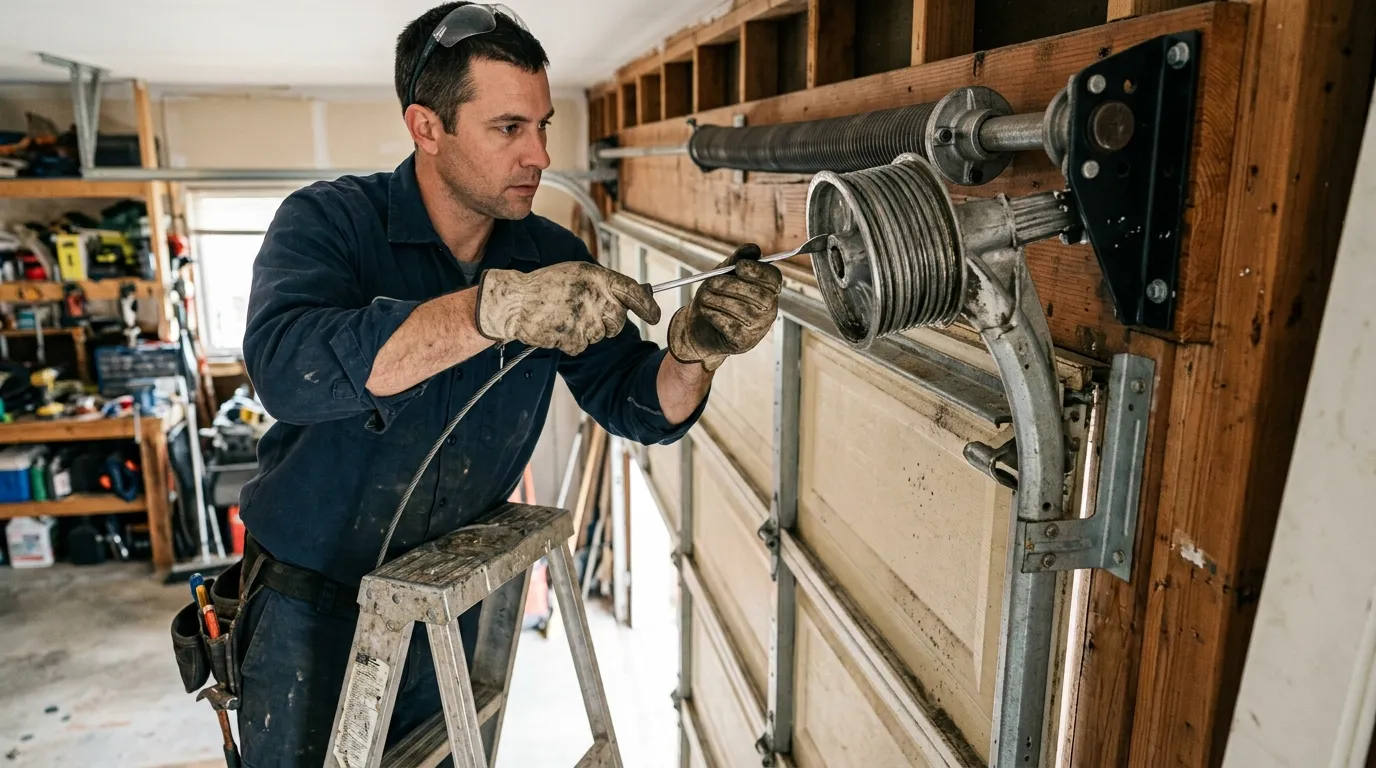
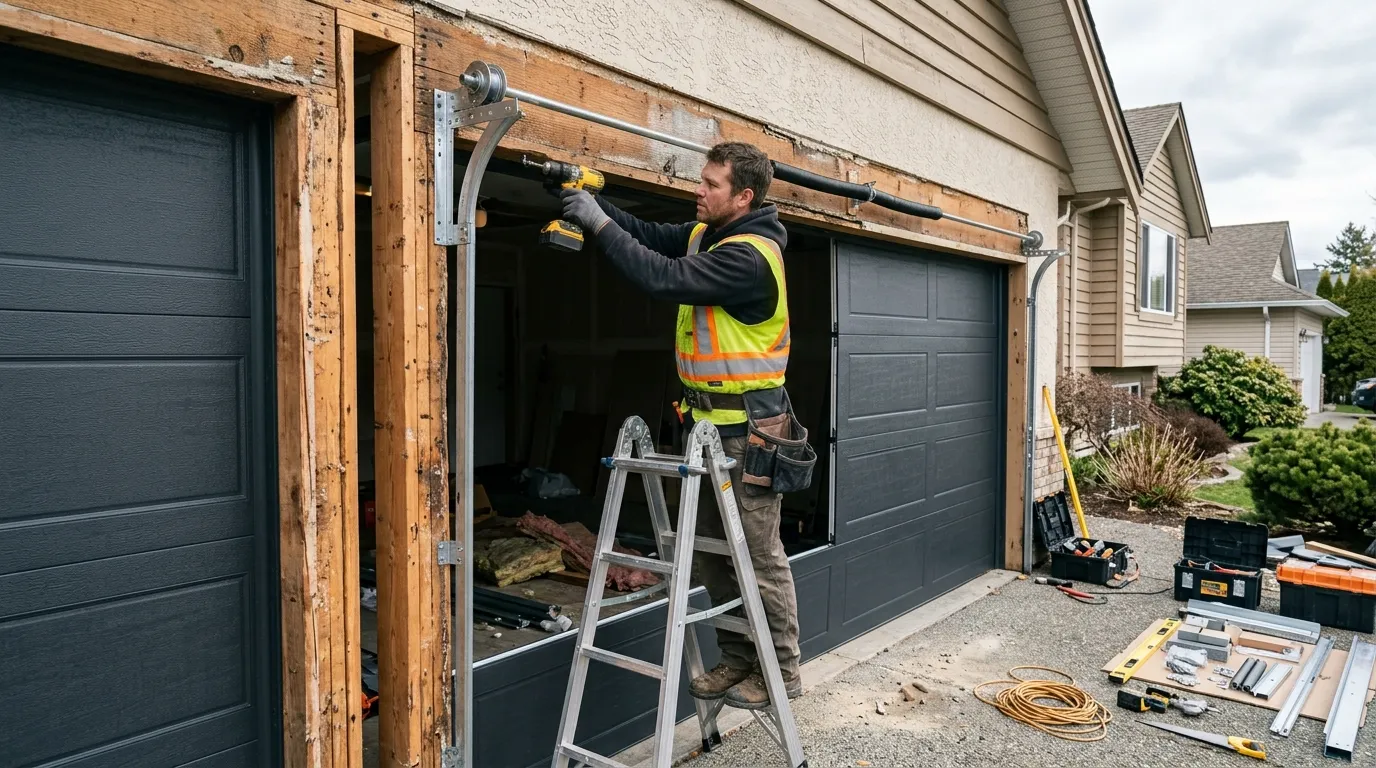
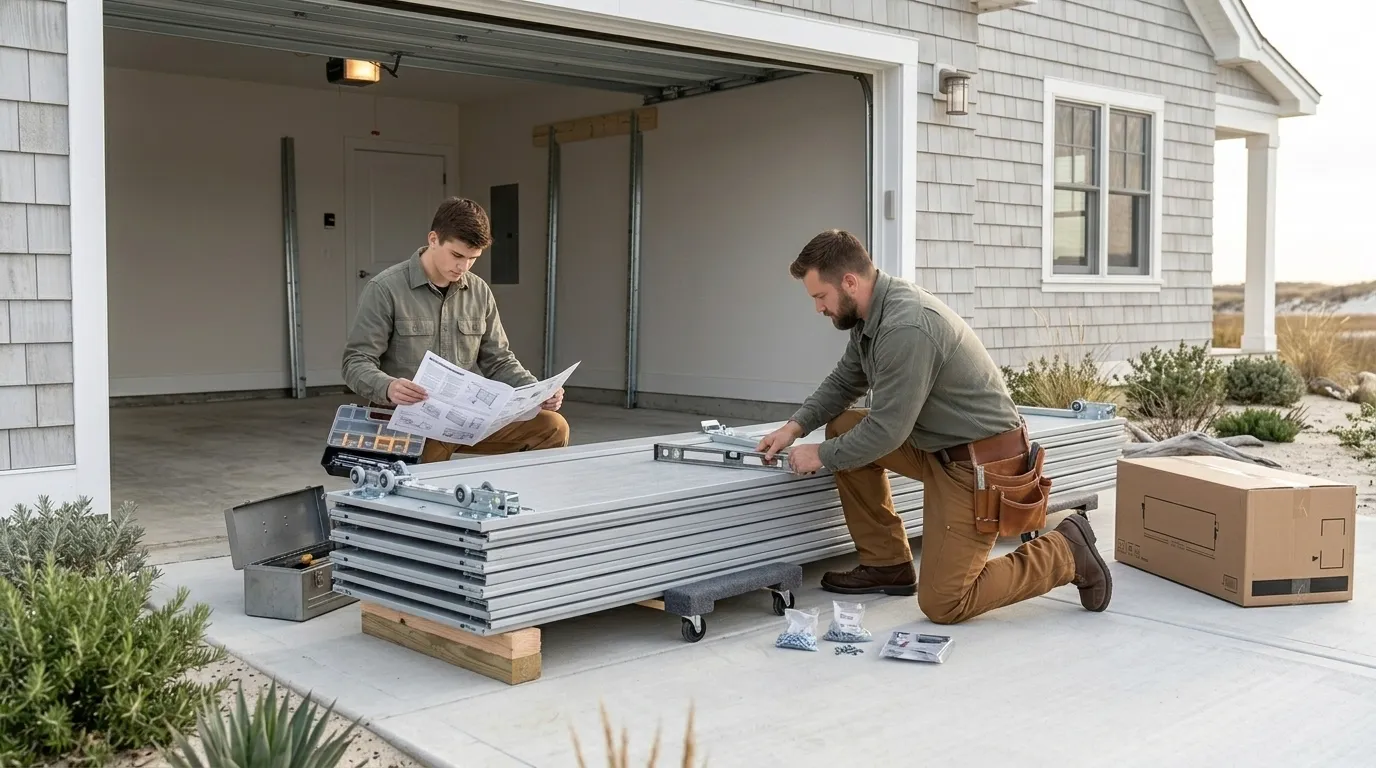
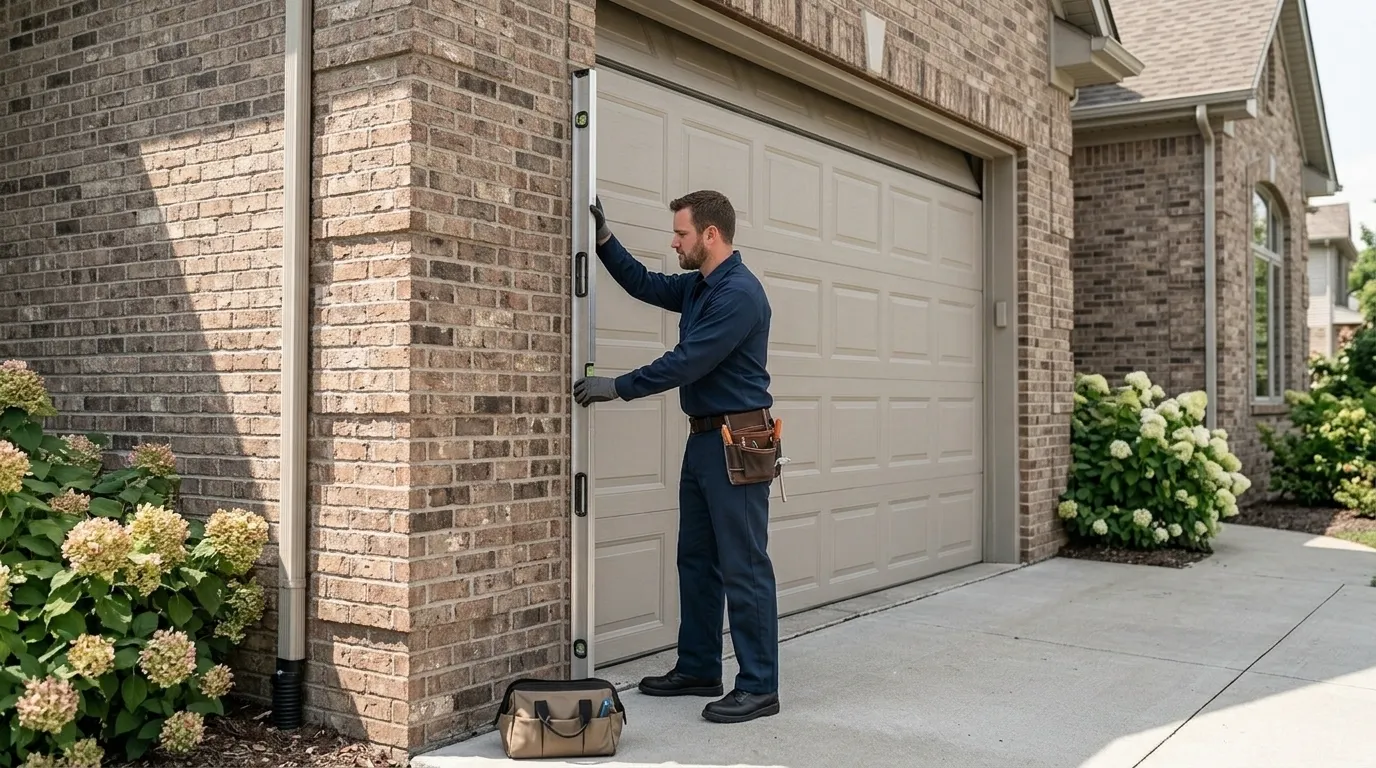
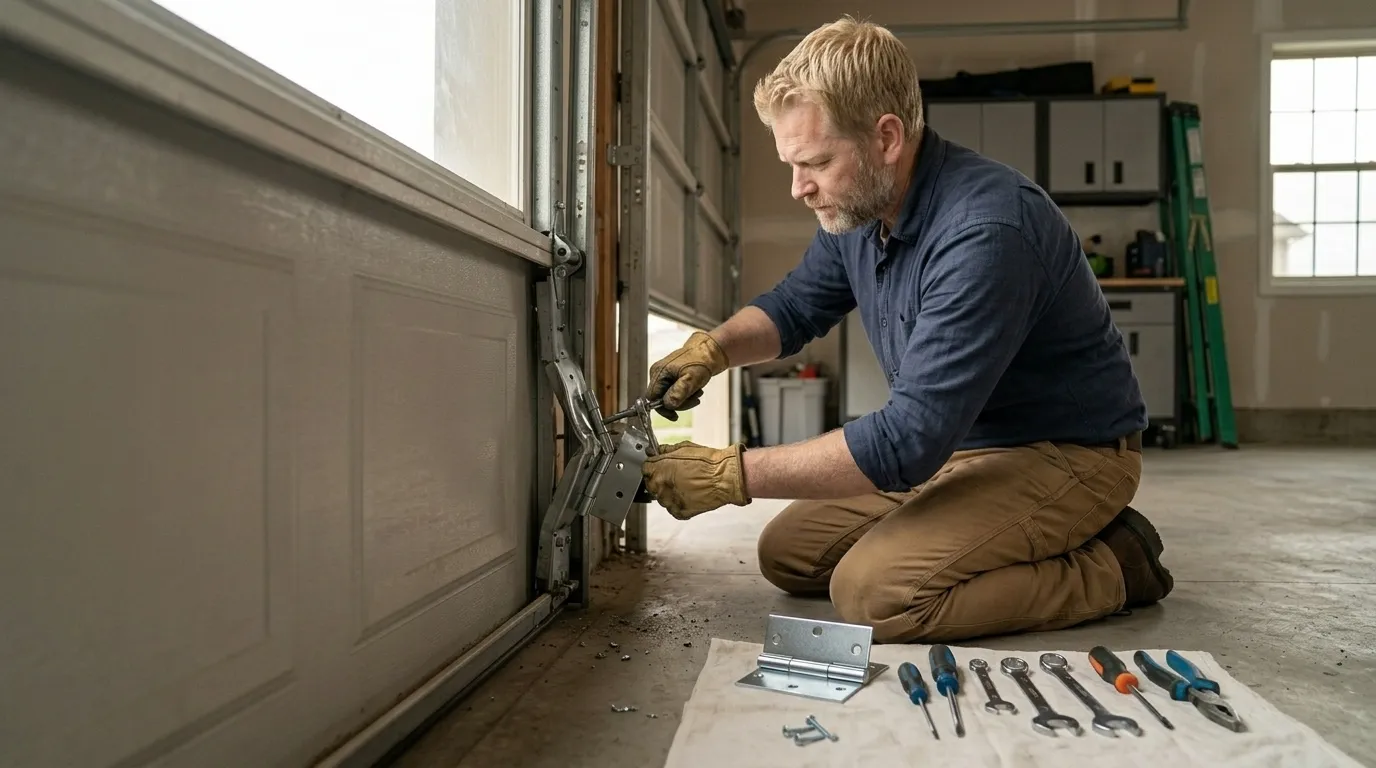
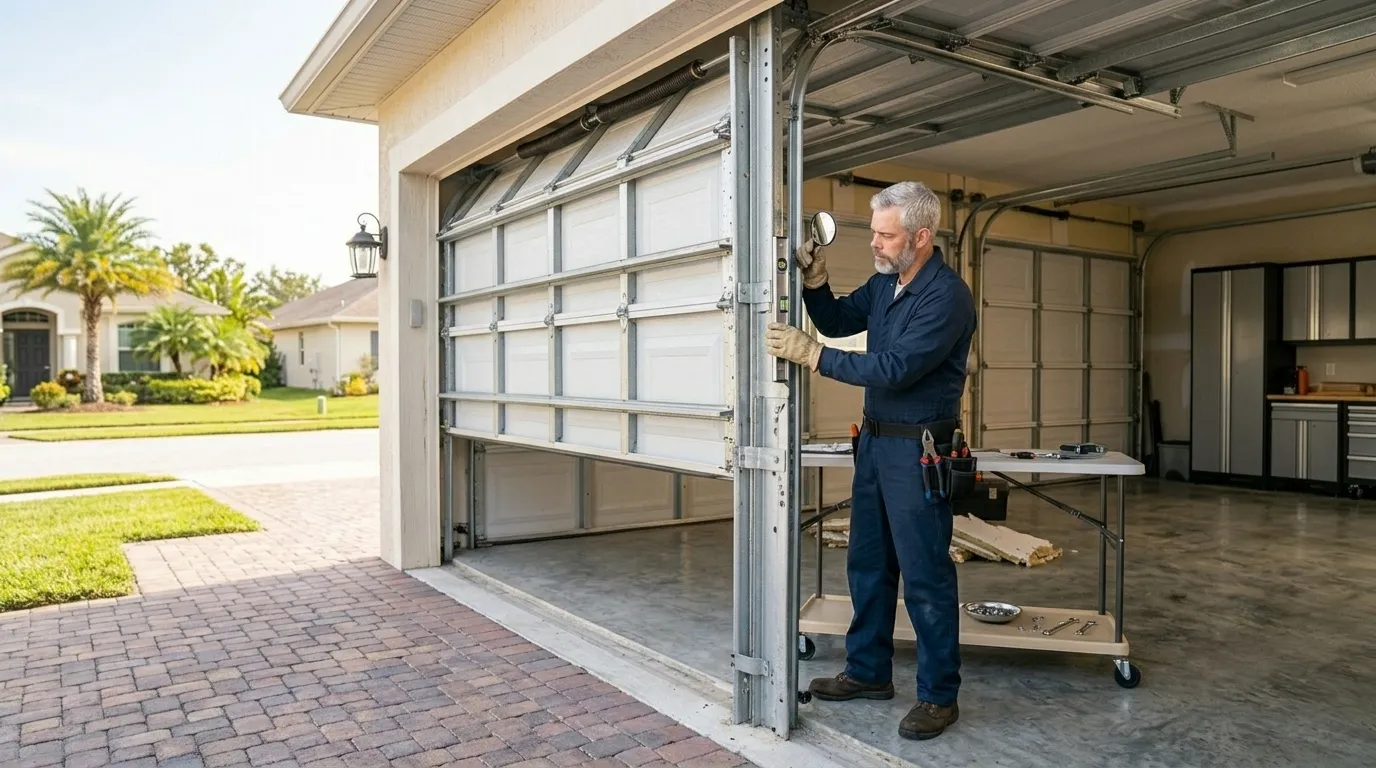
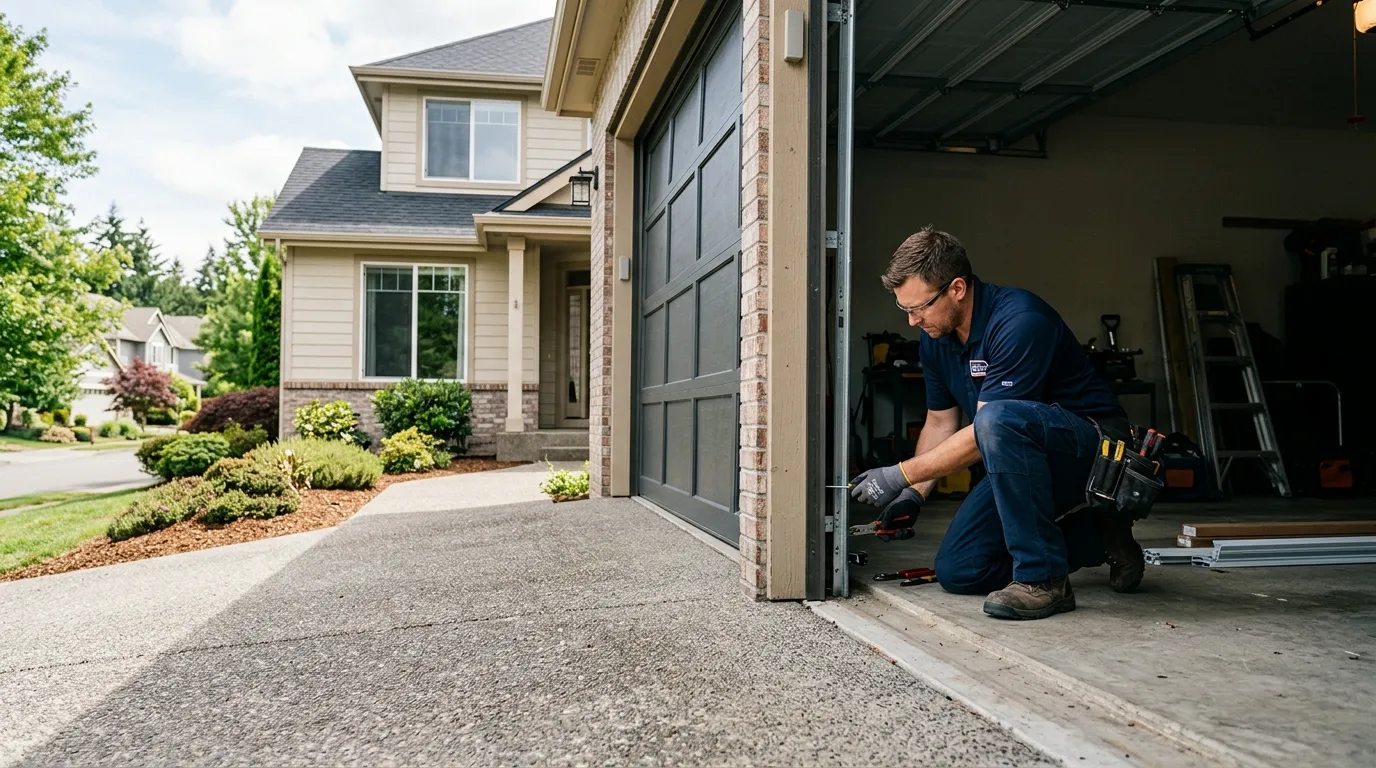
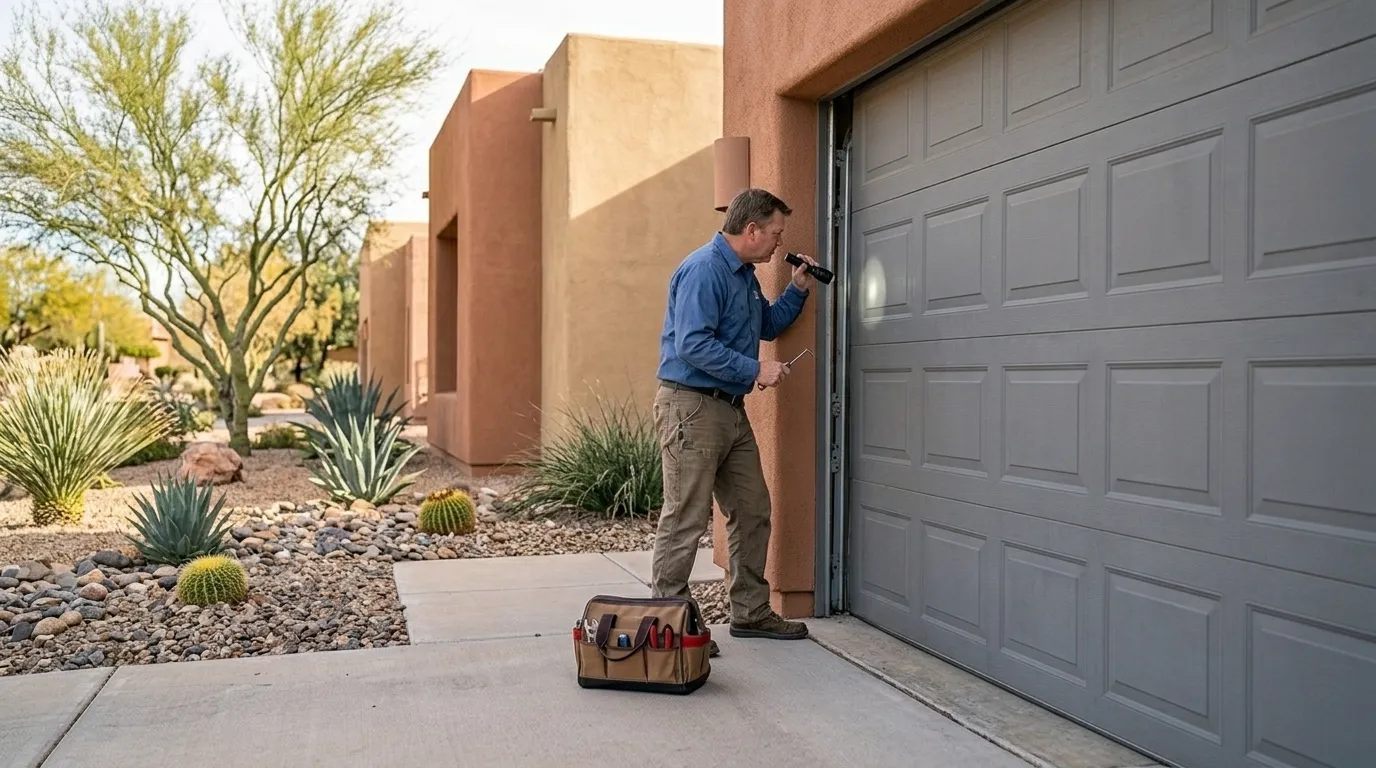
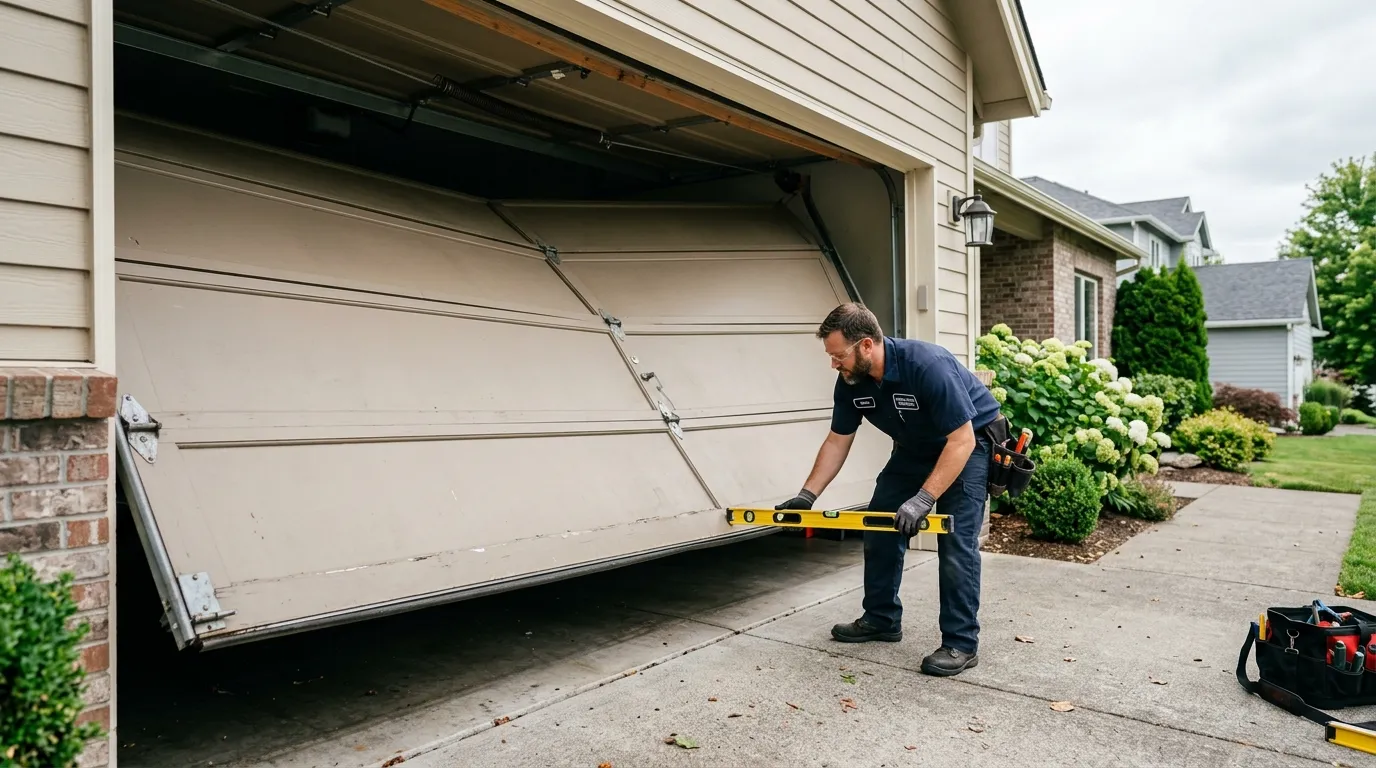
You're looking at a door that won't seal at the bottom, sags in the middle when it's up, or has a seam of daylight along one side even when it's shut. On a lot of Idaho Falls houses this is the original door, or close to it. Most of the housing stock here went up between 1963 and 2003, with the heaviest concentration in the 1960s and 70s spread across five distinct pockets of town. That means a lot of single-layer steel doors, hollow-core panels, and hardware sized for a build era that predates modern insulation expectations. The symptoms show up as drafts in the garage, a door that's heavier or lighter to lift than it should be depending on the season, and an opener straining against a panel that's warped from decades of temperature swings. None of that is a spring problem or a track problem you can fix piece by piece forever. At some point the door itself, not any one part of it, is the thing that's failed. Installation, not repair, is what you're actually shopping for once the panel is bowed or the seams don't line up anymore.
Why This Fails Locally
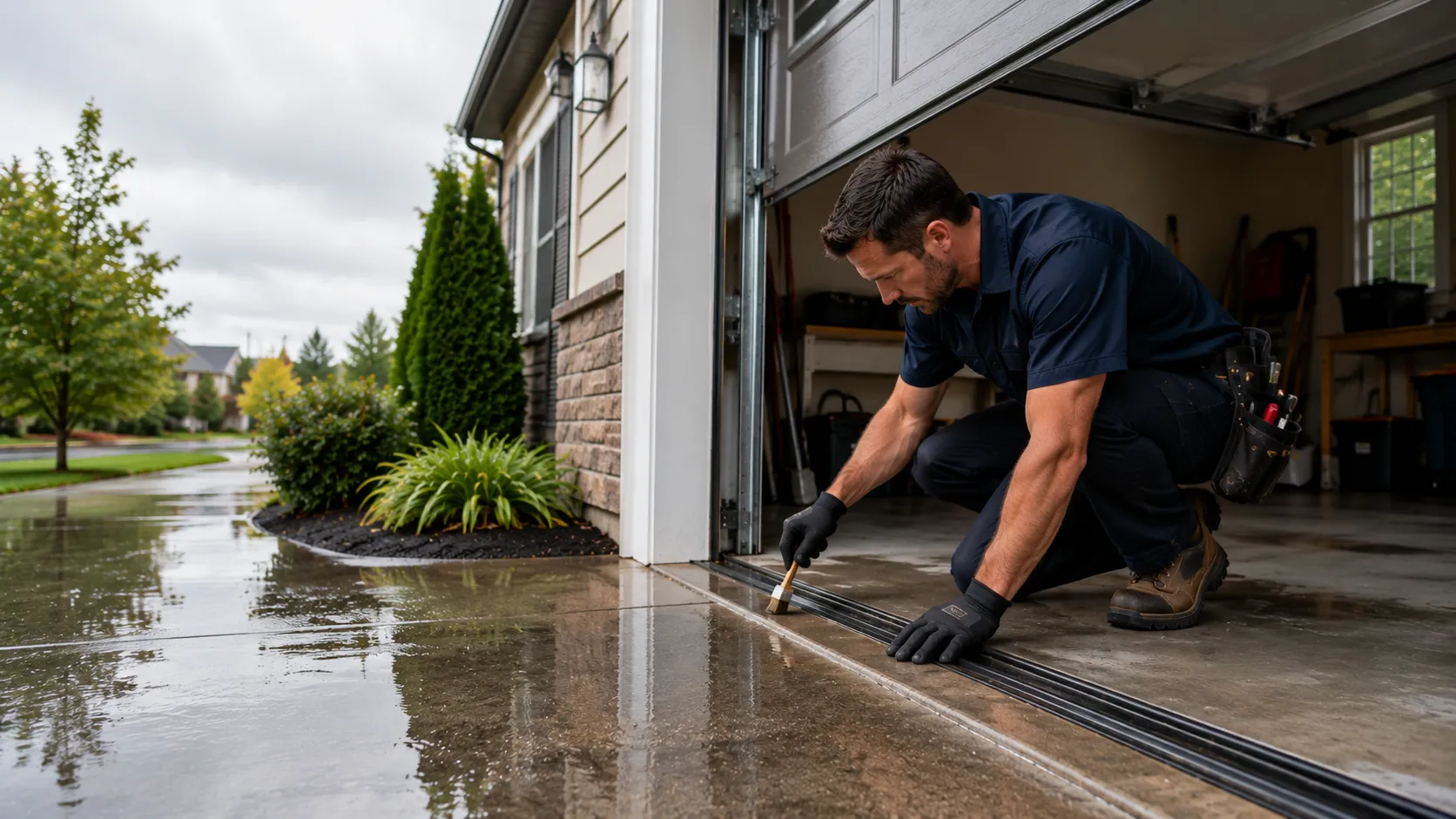
Idaho Falls sits in a cold-severe climate band, and that changes what a garage door has to do here versus a milder market. A single-layer door built in the 1970s wasn't spec'd for the temperature swings this town sees; the steel contracts, the panel seams open up, and whatever weatherstripping was original has usually given up long before the door itself does. Houses built across that 1963-2003 window also tend to have tracks and openers matched to the door's original weight, so when the panel sags or warps, the opener starts fighting a door it was never built to lift in its current shape. That combination - an aging, uninsulated panel and a climate that punishes any gap in the seal - is why a door in this town often looks fine from the driveway but is losing heat and racking hardware every winter. It's not a design flaw specific to any one house; it's what happens to that era of door in this climate over enough winters. A door built for a warmer, milder place would have failed differently, or not shown it as early.
The Cost of This Job
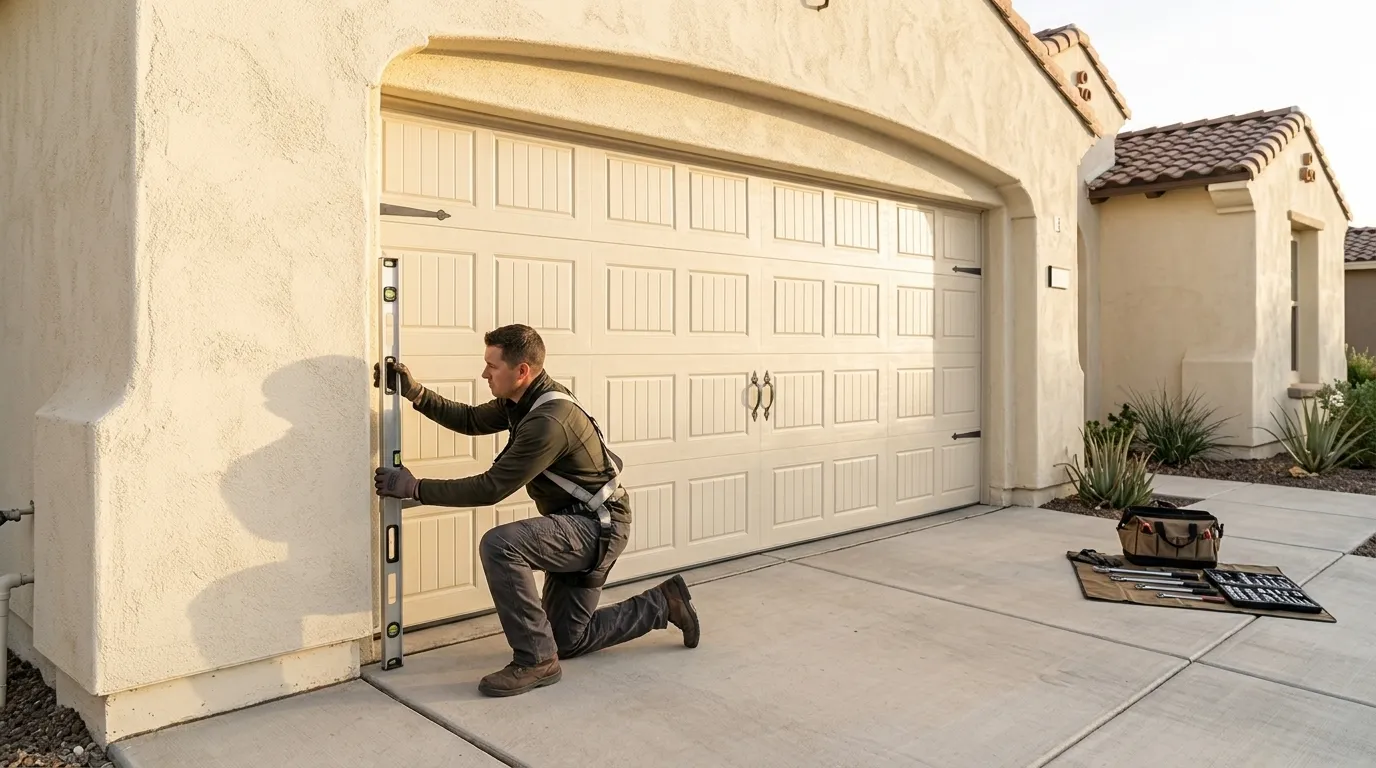
We don't have a set price to quote here, and honestly anyone who gives you one over the phone without seeing the opening is guessing. What drives the number on an install is the door's insulation rating for a cold-severe climate, the width and height of the opening, whether the header needs any correction on an older house, and what you want the opener to do. At a median household income of $64,273 in this area, most of the owners we talk to are budgeting a real number for this rather than treating it as a spur-of-the-moment buy, and that's the right instinct. With 4,983 owner-occupied houses out of 10,269 households across the service area, a lot of them sitting on doors from that same 1963-2003 build window, this is a job that comes up on a predictable cycle, not an emergency most of the time. That gives you room to get a measurement, compare a couple of insulation options, and pick a door instead of grabbing whatever's in stock.