What the Housing Means for Your Door
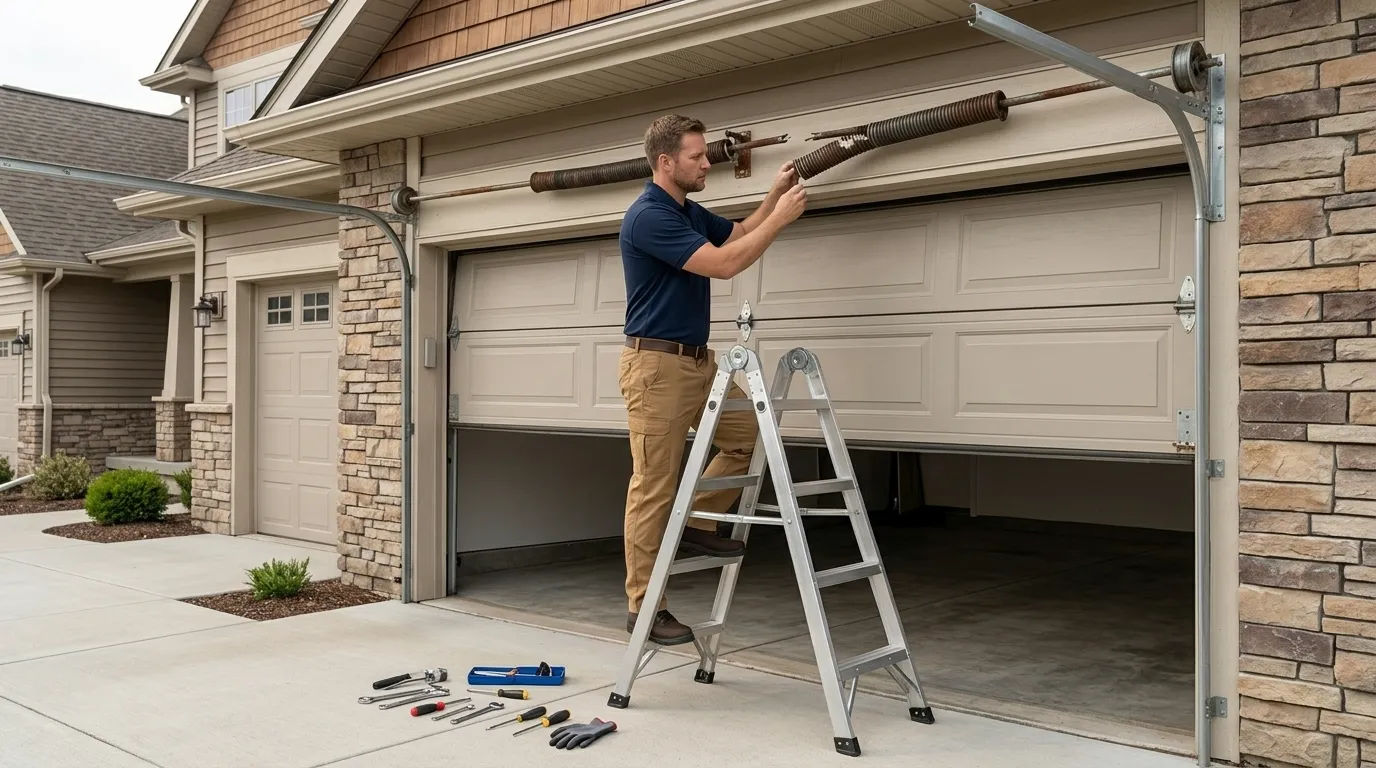
Rigby's housing centers on 1978, a couple years past the wider service area's median of 1976. That gap matters more than it sounds like it should. By the late 1970s, most builders here had already shifted away from the extension-spring, exposed-hardware setups common on the earliest postwar tracts and into steel sectional doors on torsion springs mounted over the opening. If your Rigby house dates from that stretch, you're more likely dealing with a torsion system than the older side-mounted spring rigs we still find in the region's oldest pockets.
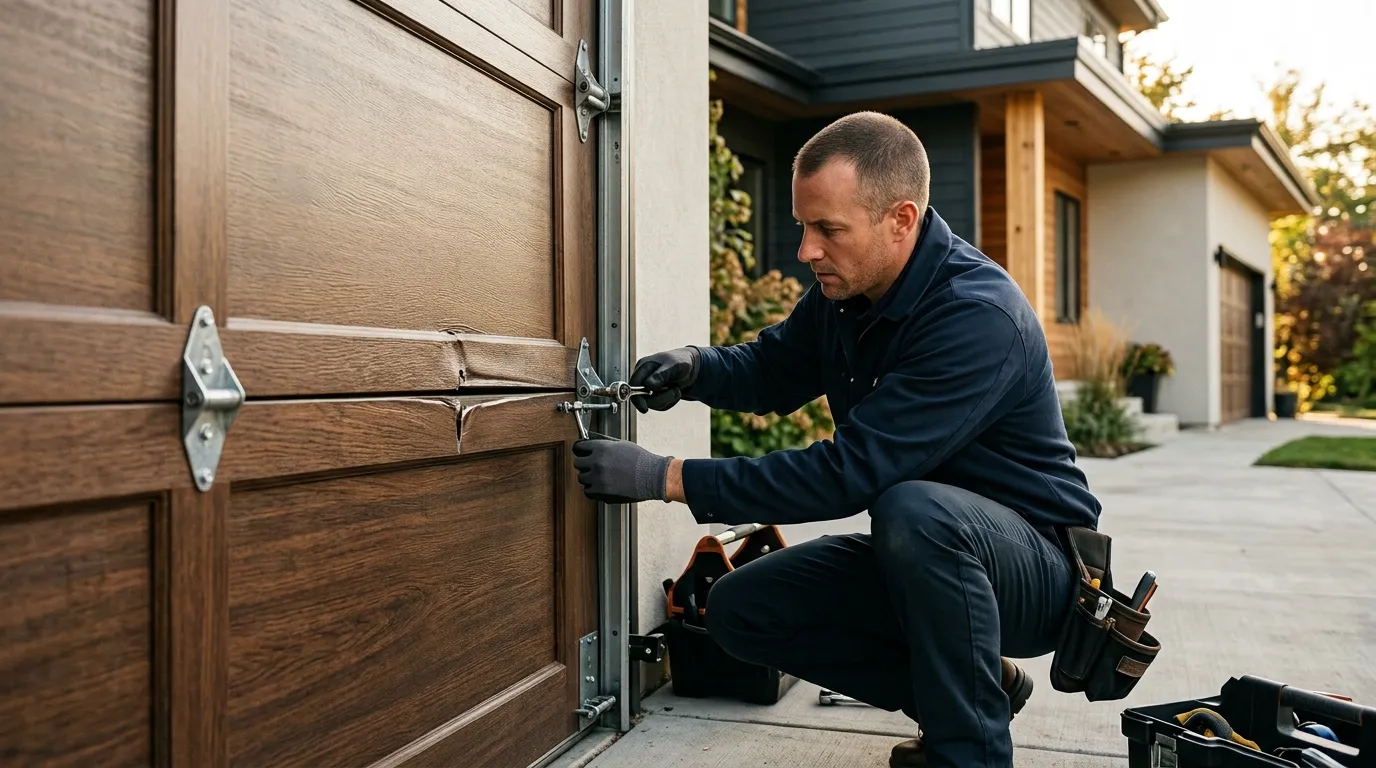
That doesn't mean the doors are new. A torsion spring rated for 10,000 cycles installed in 1978 has had over four decades to work through that count, and a lot of them are on borrowed time. The steel panels from that era also tend to be thinner than what's sold today, with less insulation value - worth knowing if you're weighing repair against replacement on a door that's fighting a real winter. We're not going to tell you every 1978 door needs replacing. Plenty just need a spring, a cable, or a set of rollers. But when a homeowner calls about a door that
What Was Built Here
Rigby has about 1,958 households, a modest share of the roughly 4,983 owner-occupied houses across our whole coverage area. Median household income here runs $78,278, noticeably higher than the $64,273 median across the wider service territory. That income gap tends to show up in what people ask for: more calls about upgrading to insulated steel doors and quieter belt-drive openers, fewer calls asking us to squeeze one more year out of a door that should've been replaced already.
The building stock lines up with a town that grew steadily through the 1970s and kept filling in afterward, rather than one dominated by a single decade of construction. That mix means we see a wider spread of door ages and hardware types on a single street than you might expect - a 1976 build next to a 1990s infill, each with different spring counts, different track widths, different opener mounting styles. It's not a town where one repair fits every house, and we plan the truck stock for that before we head out.
What We Do Most in This Area
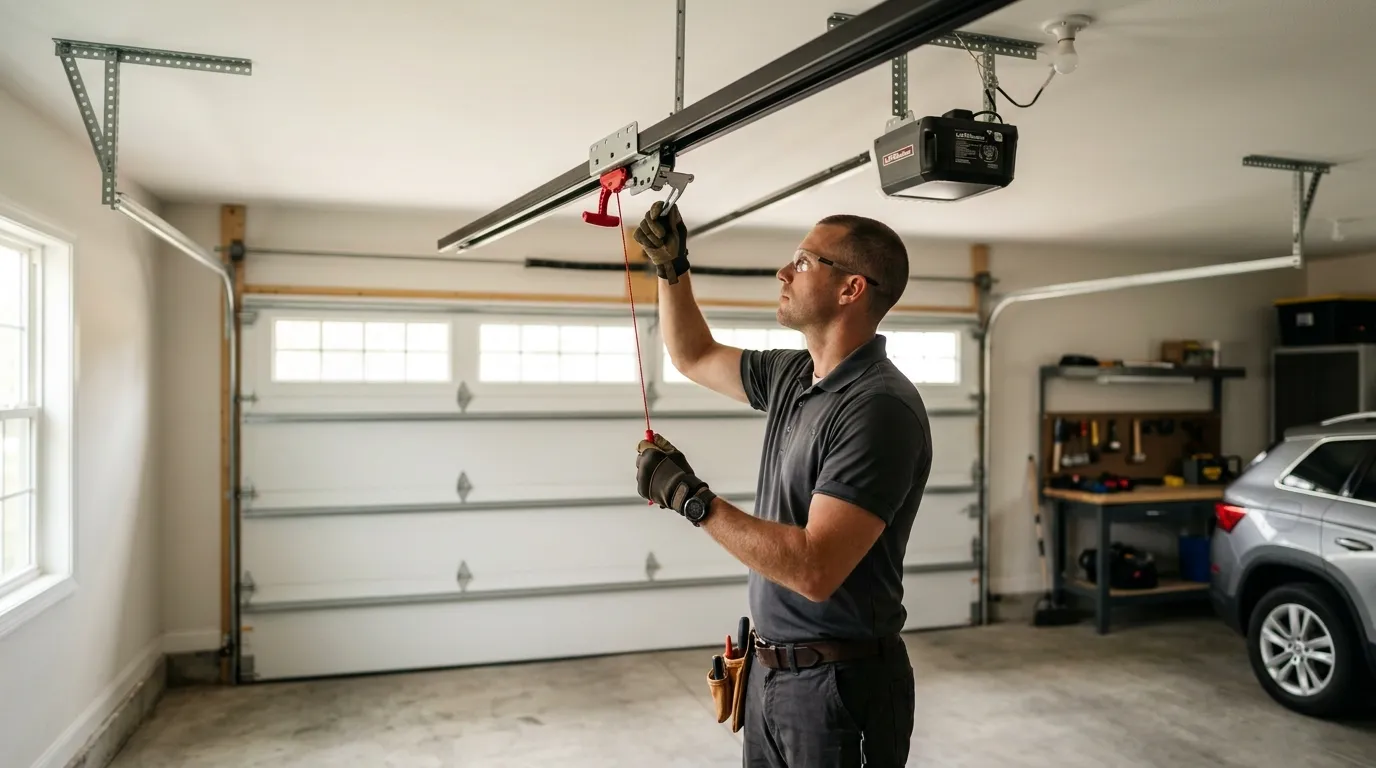
We don't keep a depot in Rigby - we run the roughly 14 miles out from Idaho Falls for every call, which is a little farther than our trips to Ammon or Shelley. That drive means we plan the truck load around what a Rigby house from the 1978-era stock is likely to need: torsion springs in common sizes, standard steel rollers, and the opener parts that fail most in cold weather, rather than the extension-spring hardware that's more common on the region's older tracts.
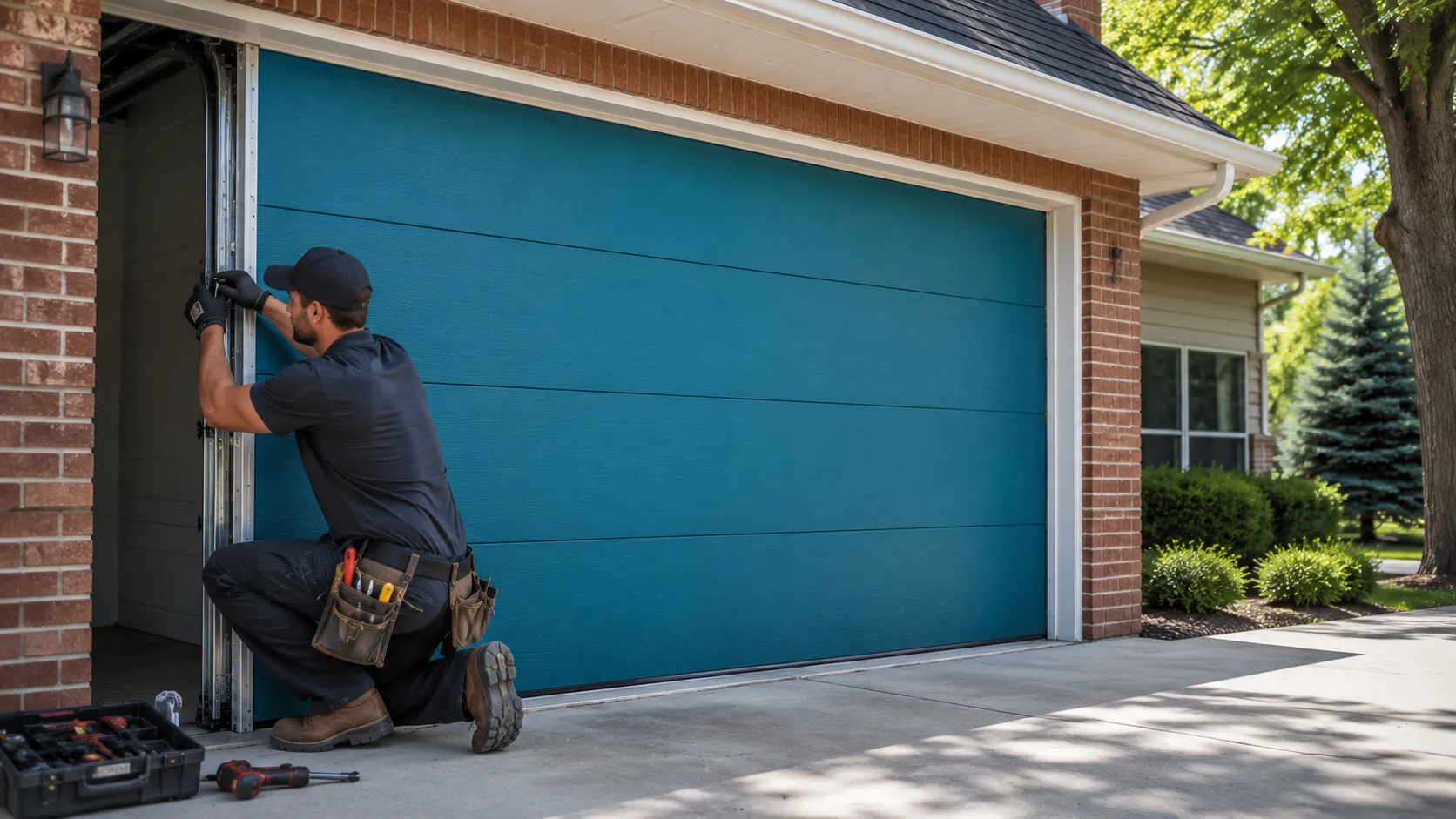
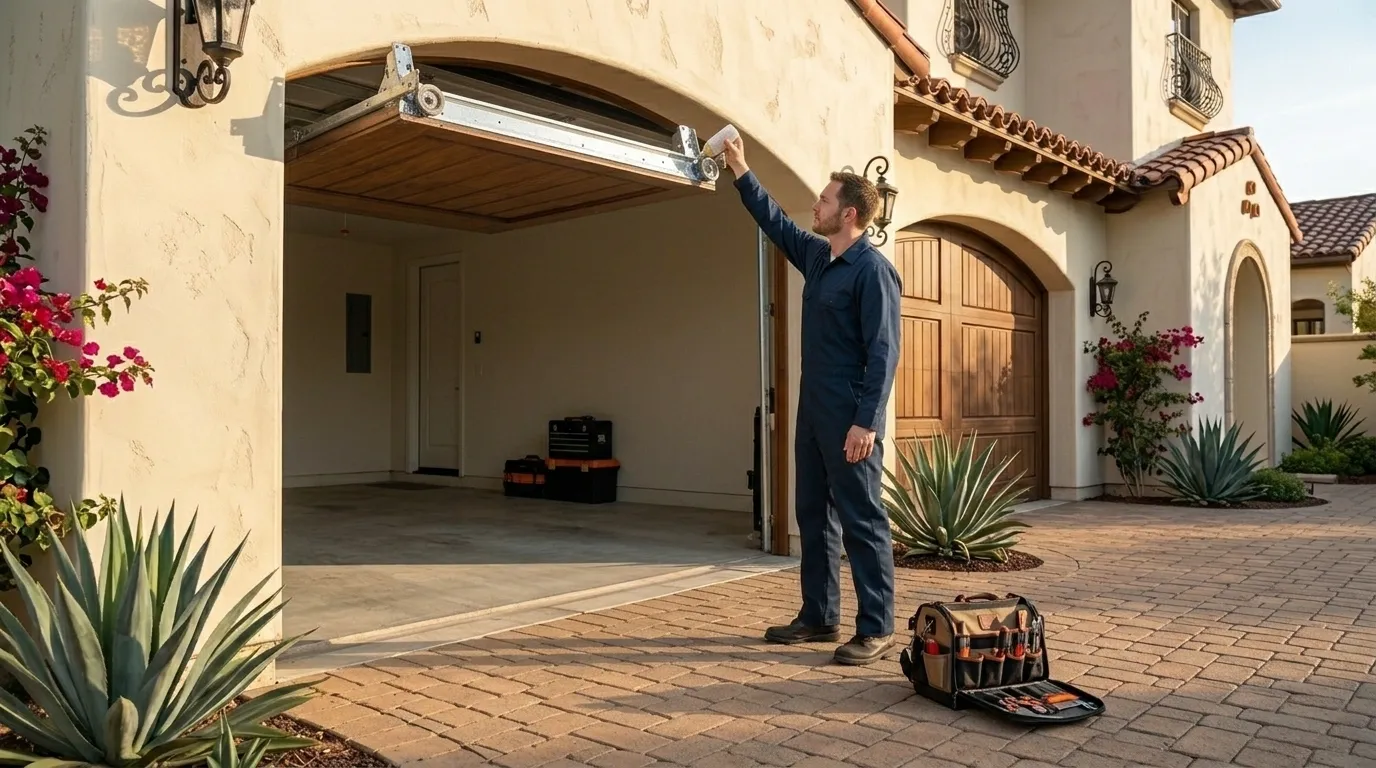
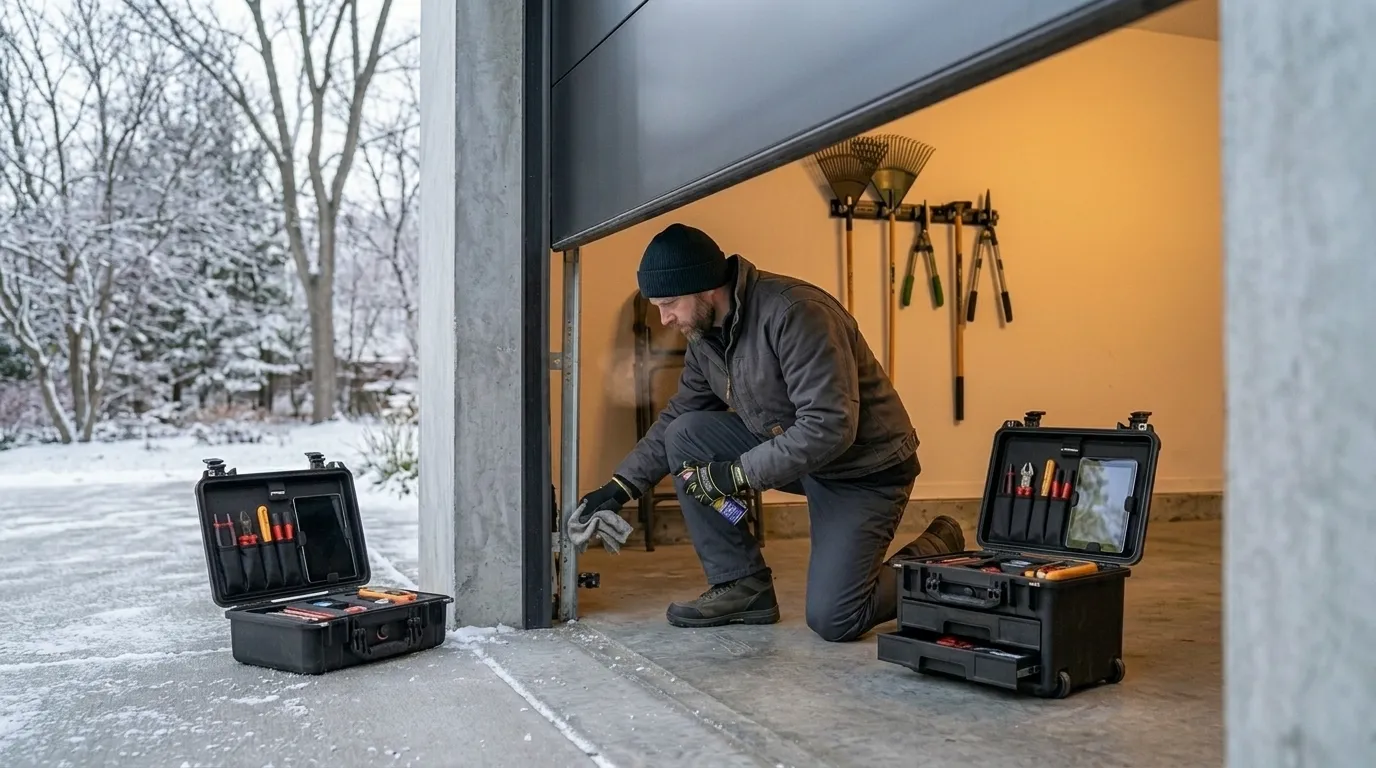
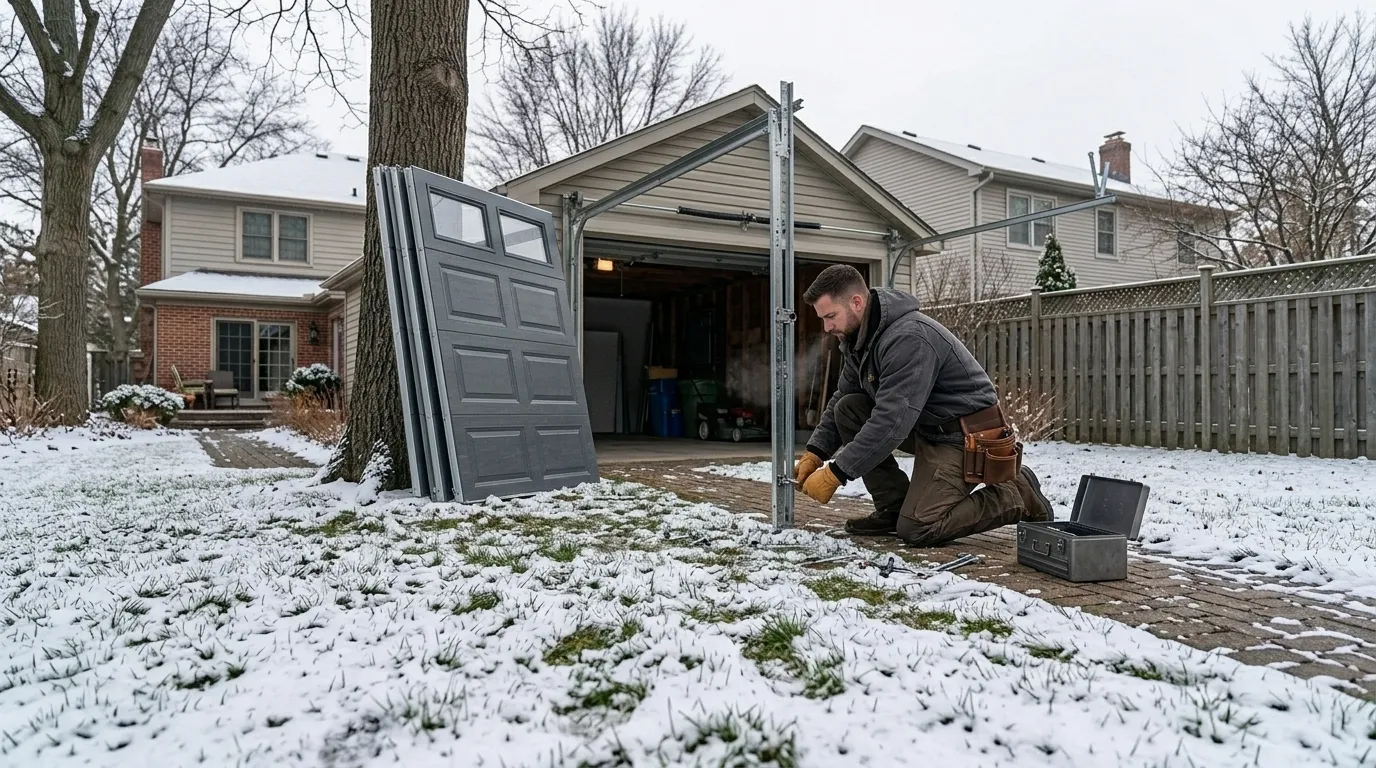
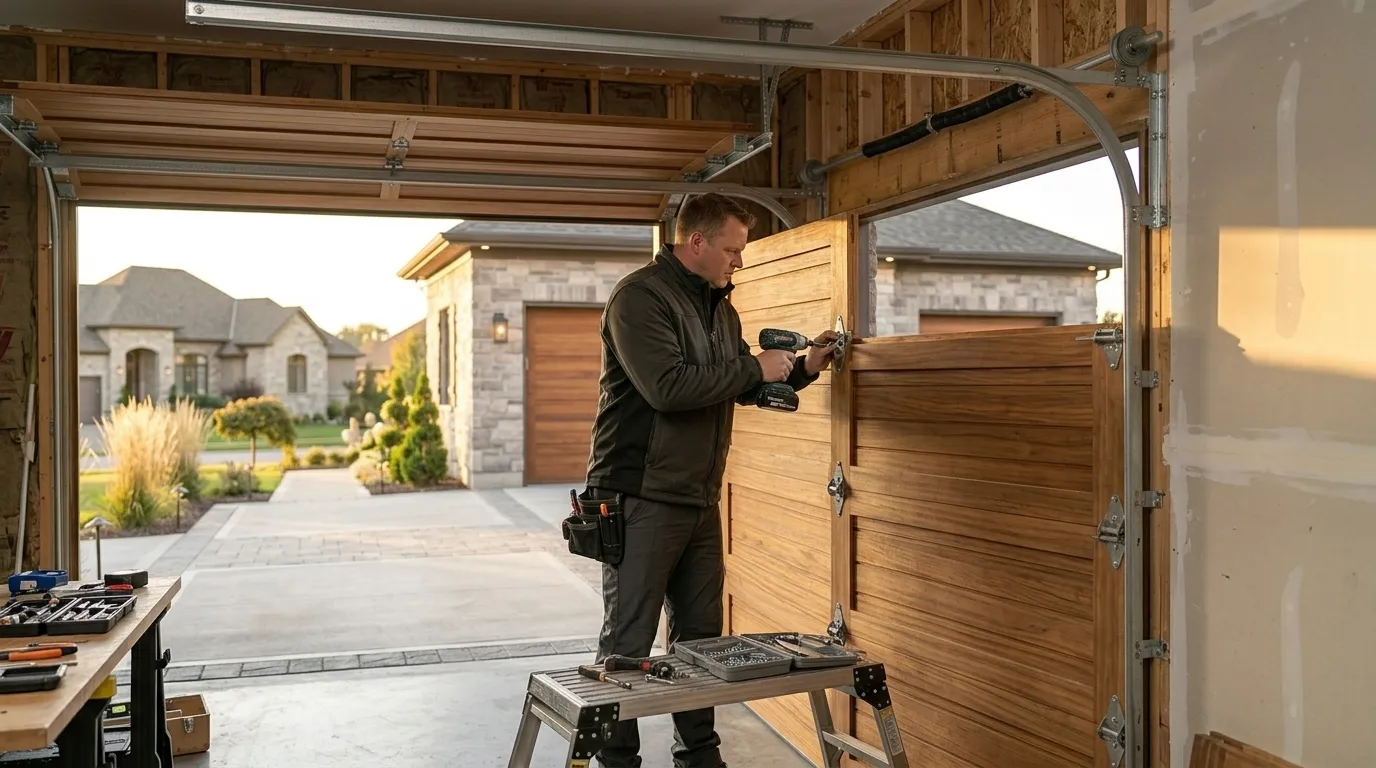
Most of the work here splits between torsion spring replacement, opener repair or swap, and track and roller service tied to winter seizing. We also get called for full door replacements on houses upgrading from the thinner uninsulated panels typical of the late 1970s to better-insulated steel doors, which tracks with the higher median income we see in Rigby compared to the wider area. One honest limit: if a part is unusual or a special-order item, we may not have it on the truck the same day, and getting it can take longer than a same-day fix - we'll tell you that up front rather than promise a fix we can't deliver.