24/7 Emergency Service Open 7 days · 7am–8pm Serving Idaho Falls, ID & nearby
(208) 441-4128
Idaho Falls, ID

What 1970s Idaho Falls Garage Doors Are Actually Working Against

Idaho Falls homes built between 1963 and 2003 carry torsion springs and doors sized for a severe cold climate. See what that means for repair and upkeep.

What 1970s Idaho Falls Garage Doors Are Actually Working Against

What Local Conditions Do

Most of the housing around Idaho Falls went up between 1963 and 2003, with the median build year sitting at 1976. Across the five main pockets of town where that stock concentrates, you're looking at doors and openers original to houses put up in the 1960s and 70s. Idaho Falls sits in a severe cold climate band, and a door built for a mild winter somewhere else doesn't hold up the same way here. Steel panels from that era are thinner than what's sold today, and a lot of them went in on houses built before insulation rules tightened. Cold air moves straight through a door like that, and the steel skin contracts hard enough in a hard freeze to pull screws loose at the hinge points. Torsion springs on these older setups were wound for the weight of the original door - if a panel's been swapped once already, the spring tension might not match anymore, and that's the kind of mismatch that snaps a cable on a January morning. None of this is a defect. It's just what happens when a door built for 1976 meets a winter that hasn't gotten any milder.

The Cost of This Job

We're not going to quote a number here without seeing the door - too much of this job depends on whether you've got an original torsion setup from the 1960s or 70s, or a replacement someone put in more recently. Idaho Falls' median household income sits at $64,273, and most of the housing base is owner-occupied - close to 5,000 owner-occupied houses across roughly 10,000 households across the service area. That's a lot of original single-car and double-car doors from the same three-decade building run, which means a lot of the same wear patterns and the same parts questions. Age matters more than most people expect. A torsion spring or cable rated for a door built in 1976 isn't always something we carry on the truck, and if the drum or shaft is an odd size, that adds a step before we can finish the job. We'll tell you straight if a repair isn't worth it against a full replacement - sometimes the hardware on these older doors is worn past the point where patching it makes sense. That's the honest limitation: we can give you a real number once we're looking at the door, not before we've had a chance to check it.

The Seasonal Bit

Cold is the whole story here, and it's a severe cold by the bands that cover this part of Idaho. Steel doors contract when the temperature drops hard, and that contraction pulls at every screw, hinge, and roller on the track. Torsion springs lose a little tension in deep cold too - not permanently, but enough that a spring already near the end of its life can go from fine to snapped cable on the coldest morning of the year, usually right when you need the door most. Nylon rollers get brittle in that kind of cold and start cracking at the edges; steel rollers just get loud. Openers with a chain drive slow down in the cold as the grease in the gearbox thickens, which is why a door that worked fine in October can start groaning by January. None of this is unique to one house on one street - a severe cold band does the same thing to any door, old or new - but it hits hardest on the 1960s and 70s stock that makes up most of Idaho Falls' garages, because those doors and springs were never built with today's materials.

The Problem

The core issue is a mismatch between calendar and hardware. A door on a house built before insulation rules tightened is still a door built before insulation rules tightened, no matter how many times the opener's been replaced. Median build year in Idaho Falls is 1976, and a door from that era - even one that's been repainted and had a new opener bolted on - is still running on a torsion assembly and track sized to specs nobody uses anymore. That means when a spring finally goes, or a cable frays, the replacement part isn't always a stock item. Somebody has to measure the drum, check the wind direction, and often special-order the spring instead of grabbing one off the shelf. It's not a crisis, but it's a delay, and it's the kind of thing that catches homeowners off guard because the door looked fine right up until it wasn't. The honest fix in a lot of these cases isn't another patch - it's swapping the whole torsion system to something rated for the door's actual weight and this area's winters, rather than propping up hardware that was never built to be serviced fifty years on.
How it works

From “it’s stuck” to “it’s fixed”

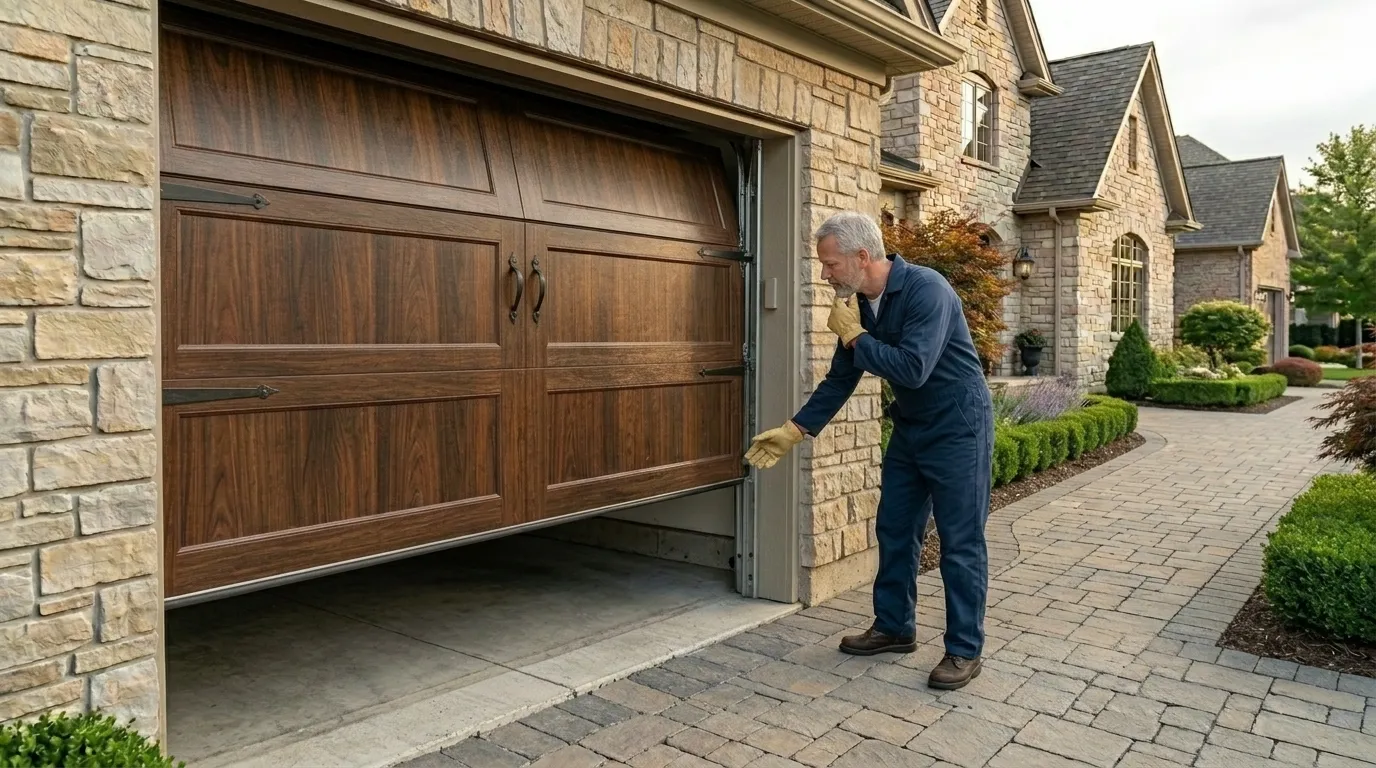
Tell us what’s wrong - Idaho Falls garage door service

Tell us what’s wrong

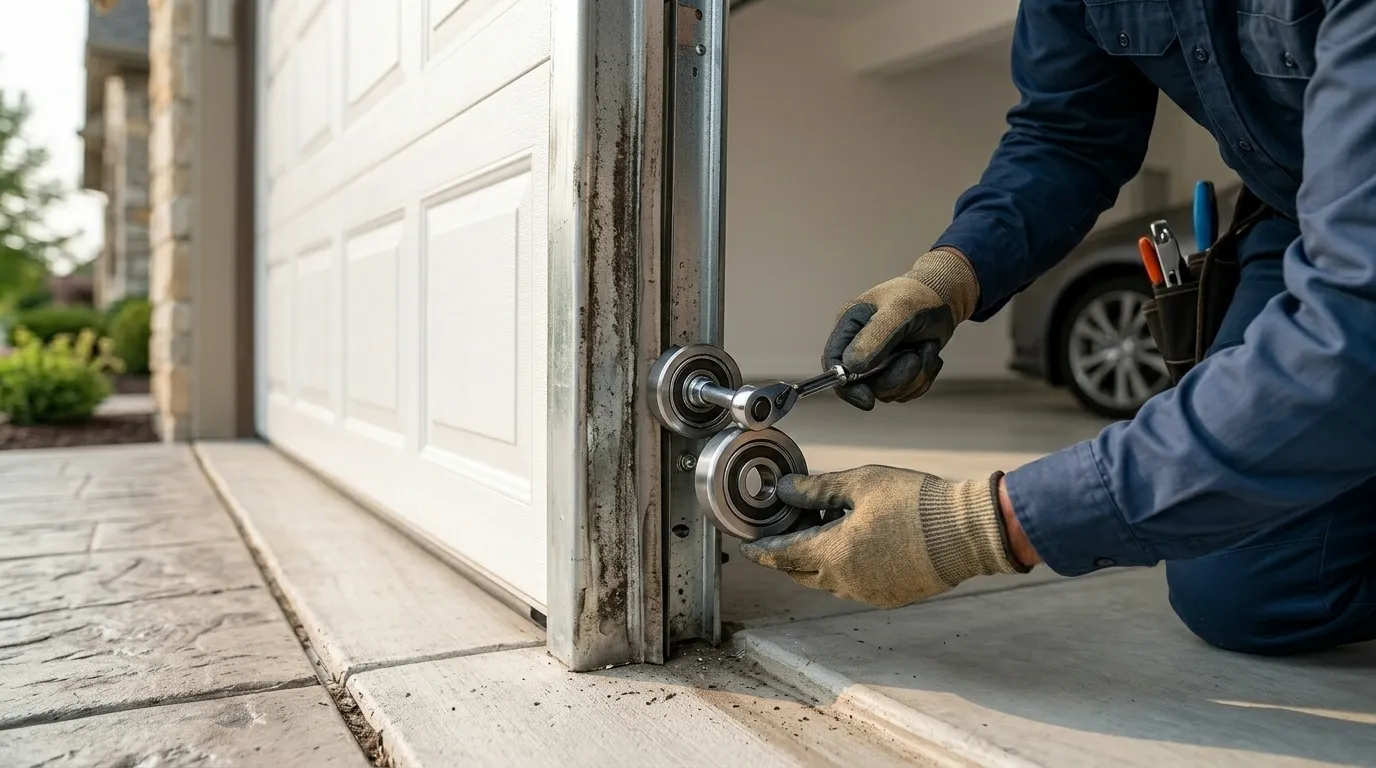
Describe the symptom - won’t open, loud bang, opener runs but the door won’t move.

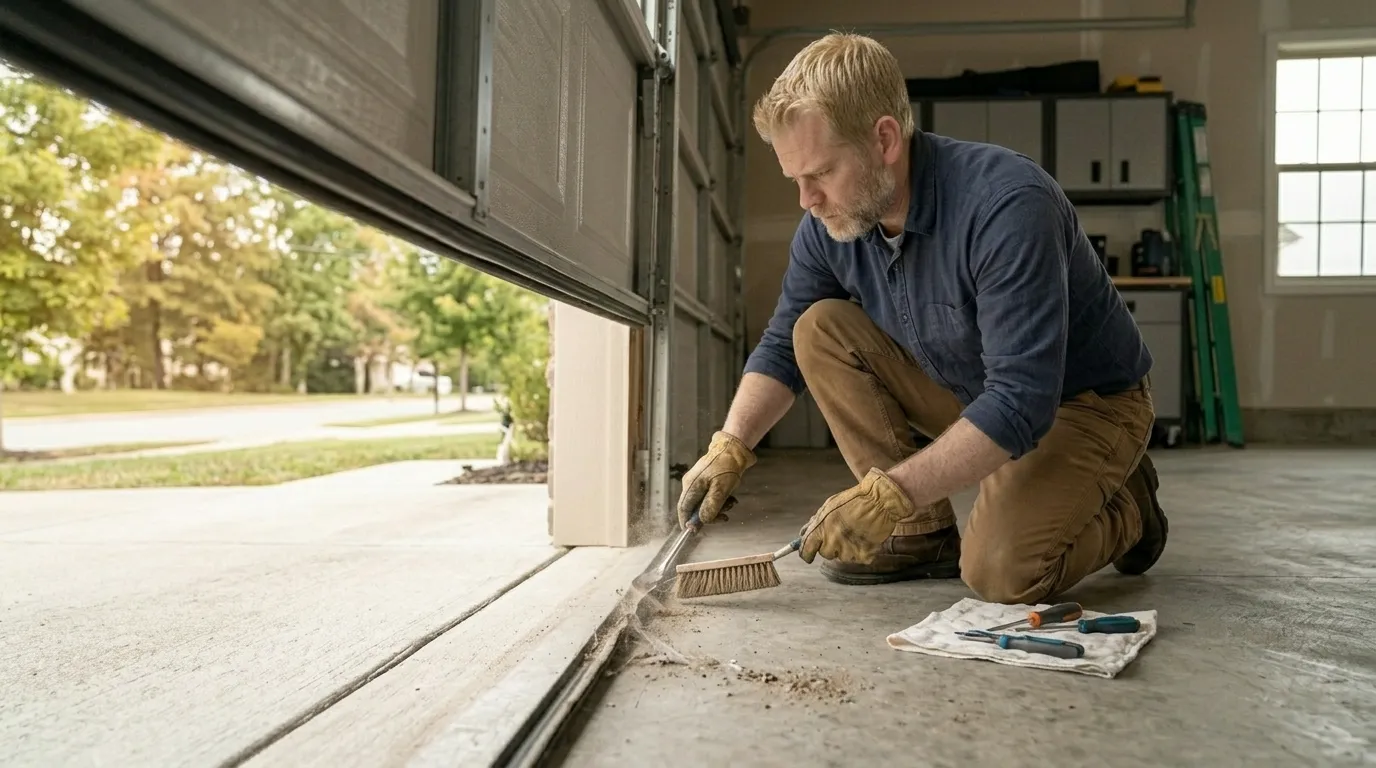
On-site diagnosis - Idaho Falls garage door service

On-site diagnosis

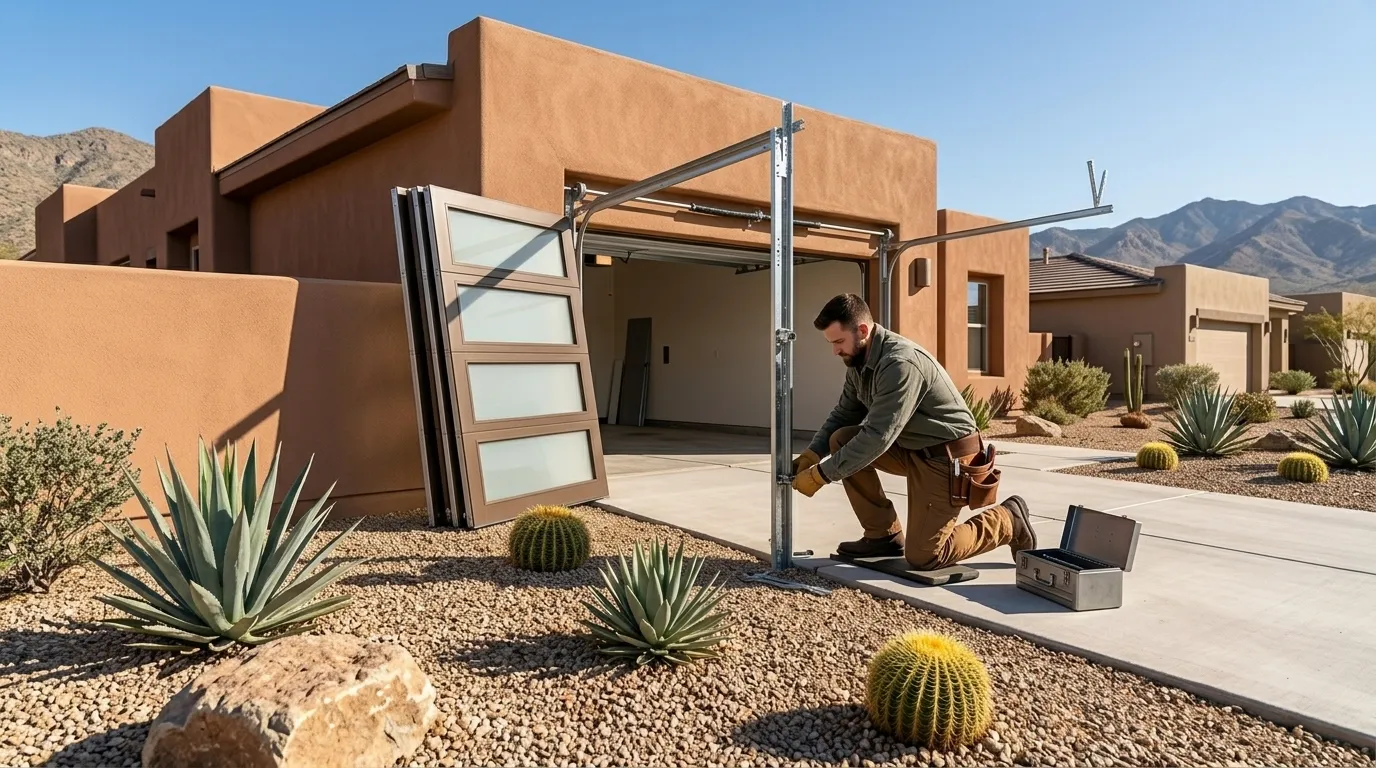
A technician tests the door under power and by hand and finds what actually failed.

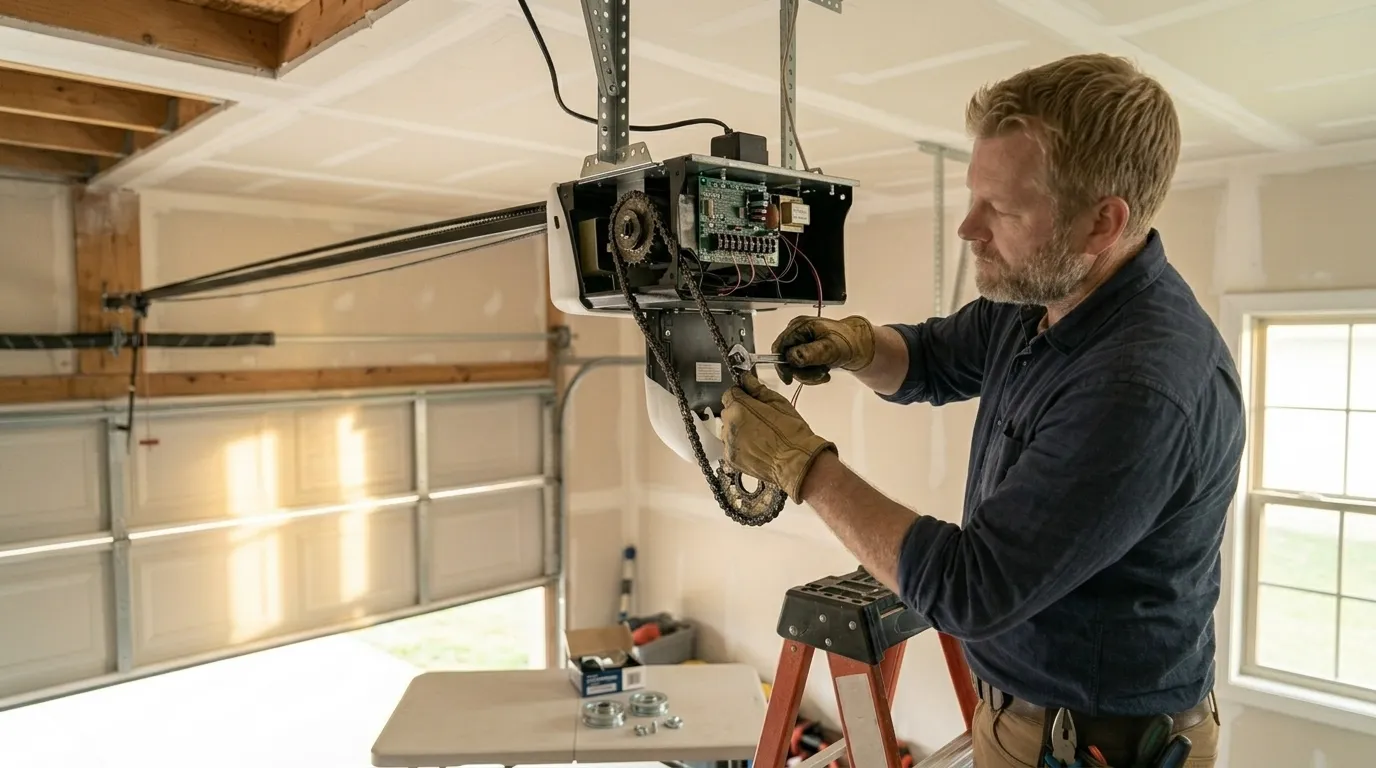
Clear, up-front plan - Idaho Falls garage door service

Clear, up-front plan

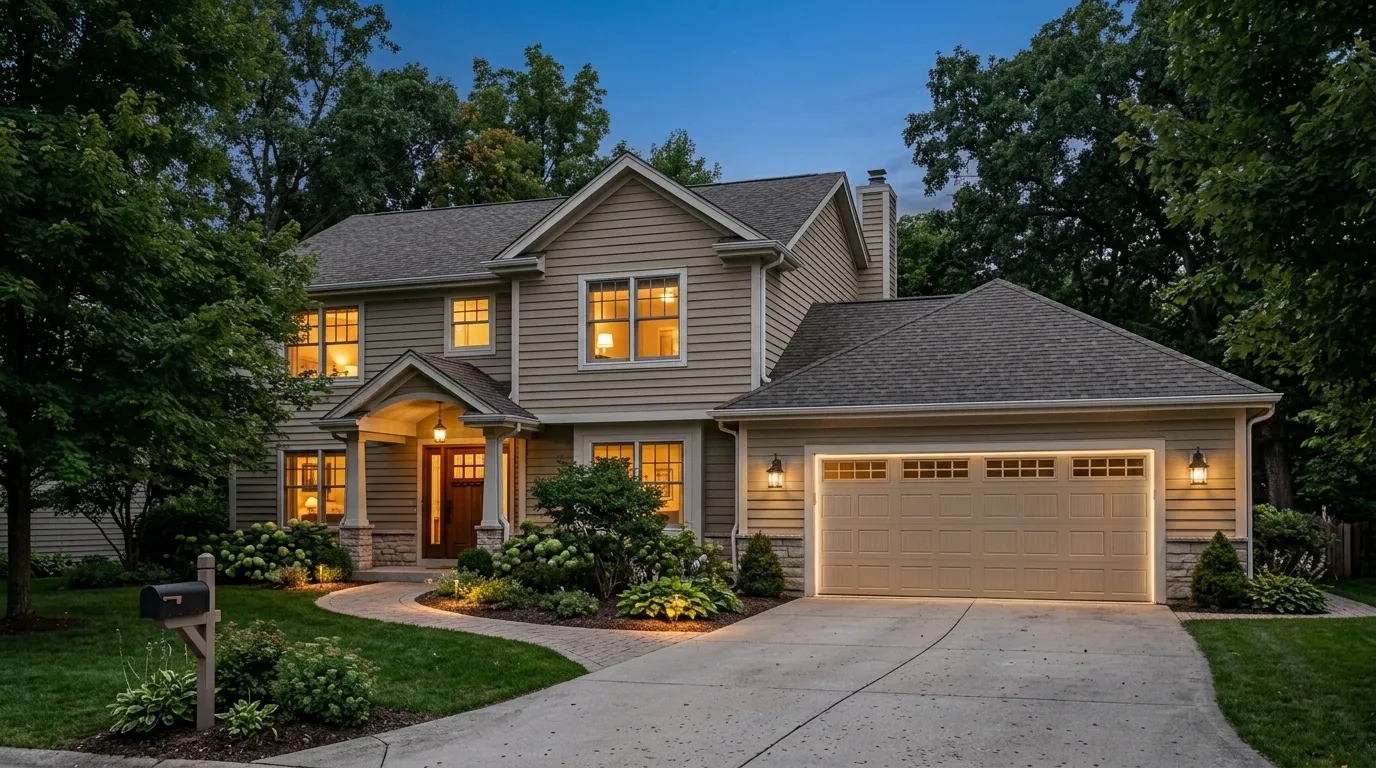
You get the fix that’s needed and what drives the cost - before any work starts.

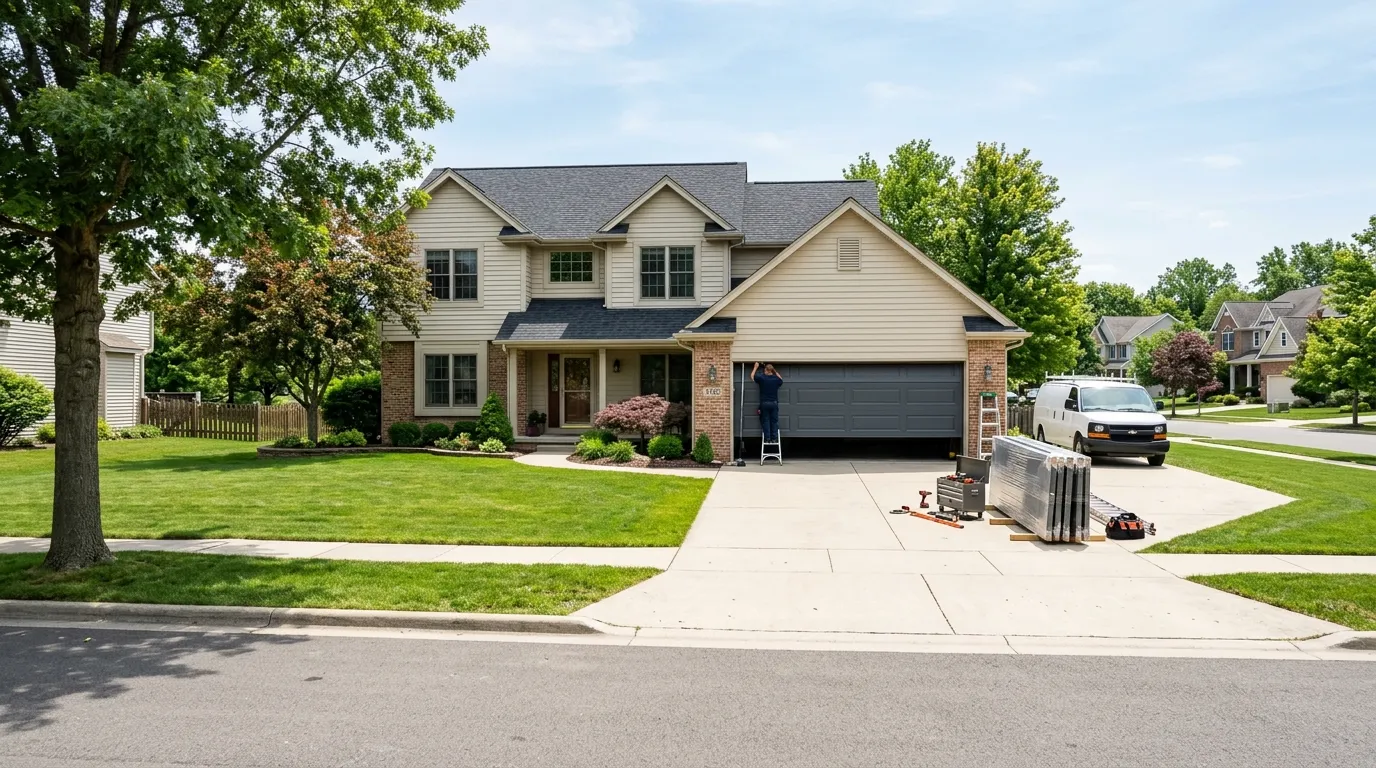
Repaired & tested - Idaho Falls garage door service

Repaired & tested

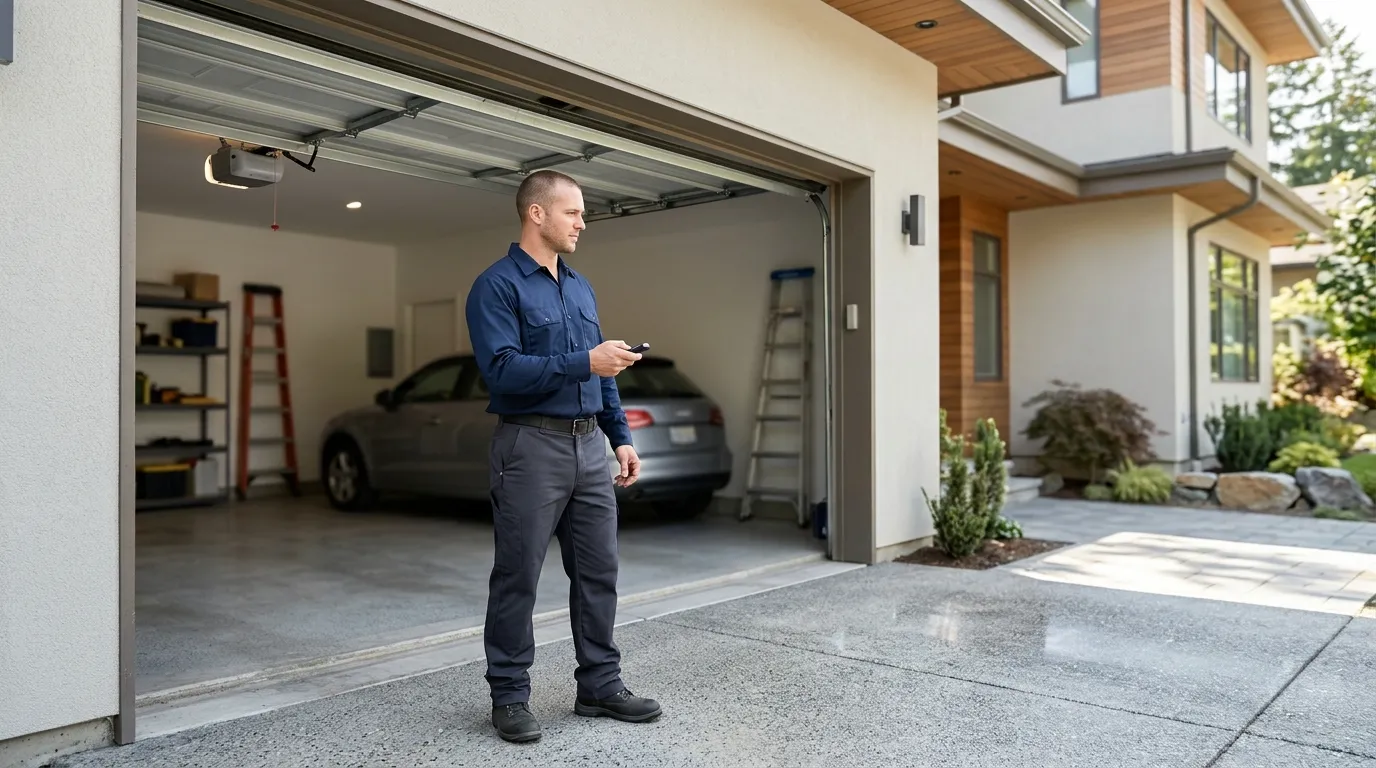
The repair is done, the door is set true and tested, and the work area left clean.

Serving Idaho Falls, ID - tell us what your door’s doing and we’ll take it from there.

How we work

What to expect

Diagnosis firstEvery visit starts by finding what actually failed - not a pre-written parts list.
The right part for the doorSprings and openers matched to the door’s weight and age, so the fix holds up.
Straight answersWhen a repair makes more sense than a replacement - or the reverse - you hear it plainly.
Clean, careful workTension released safely, hardware set true, the door tested under power before we leave.
Questions

Frequently asked

Straight answers about garage door repair in Idaho Falls. Still unsure? Ask us directly.

Why is my garage door harder to lift once it gets cold?

Torsion springs lose a bit of tension in a hard freeze, and steel panels contract enough to bind slightly in the track. On an older spring that's already near the end of its life, that extra strain is often what finally causes a cable to snap on a cold morning rather than a mild one.

My house was built in the 1970s - does that matter for a repair?

It usually does. Idaho Falls' median build year is 1976, and doors from that run were sized and wound for hardware nobody stocks off the shelf anymore. We may need to measure the drum and order a matching spring rather than grab a standard one from the truck.

Do you work outside Idaho Falls itself?

We work out from Idaho Falls to Ammon (4 miles), Shelley (9 miles), Rigby (14 miles), Firth (15 miles), and Ririe (17 miles). If you're in one of those areas, we can usually get to you the same way we'd get to a job in town.

Can you give me a price over the phone?

Not honestly, no. Whether it's a standard repair or one where we need to special-order a spring for an older torsion setup depends on what's actually on the door, so we'd rather look at it first than guess and be wrong.

Ready to get your garage door sorted?

Tell us what it’s doing and where you are in Idaho Falls - we’ll take it from there.

Request a QuoteCall