24/7 Emergency Service Open 7 days · 7am–8pm Serving Idaho Falls, ID & nearby
(208) 441-4128
Idaho Falls, ID

What a Service Call Actually Covers Here

What a service call covers in Idaho Falls, where most houses date to 1963-2003 and winters run cold enough to crack original torsion springs and rollers.

What a Service Call Actually Covers Here

What Local Conditions Do

Idaho Falls sits in a cold-severe climate band, and that shapes what we find on a call before we even open the panel off the opener. Steel contracts in deep cold, torsion springs lose tension faster than the chart on the box says they should, and nylon rollers from the 1970s and 80s go brittle and chip. Across the five main pockets of housing stock in the service area, most homes were built between 1963 and 2003, with the median landing around 1976 - so a big share of the doors we work on still have the original hardware or a first-generation replacement from decades back. That means a service call here often starts with identifying what generation of parts we're dealing with, not just what's broken. A spring that snapped on a house built in 1976 is a different job than the same failure on a 2001 build with a different track width and drum size. We check both before we quote anything, because guessing at hardware age on a cold morning is how a job runs long.

The Cost of This Job

We don't have a flat number to put here, and giving you one without seeing the door would be a guess dressed up as a quote. What drives the cost on most calls is age and mismatch: a torsion spring sized for original 1970s-era hardware isn't always in stock the way a modern spring is, and swapping a whole system on an older door sometimes makes more sense than patching one part. With median household income in the service area at $64,273, most of the calls we run are repair-first, not automatic replacement - people want the door working again, not a new one, unless the drum, track, or panel is too far gone to justify the labor. That's the honest limitation here: we can tell you the range of what similar-age doors run once we've looked at the spring size, drum type, and whether the opener is original or already swapped once. We can't tell you a number over the phone and have it mean anything.

The Seasonal Bit

Cold-severe means the freeze-thaw cycle here isn't gentle. Steel torsion springs are rated for a working temperature range, and when overnight lows sit well below that range for weeks at a stretch, the spring's wind tension shifts - sometimes enough that a door that opened fine in October binds or drops unevenly by January. Lubricant that's fine in summer thickens and slows the opener's chain or belt. Weatherstripping on doors from the 1976 median-build era was rarely rated for this kind of cold cycling to begin with, so gaps widen every winter and don't close back up in spring. None of this is unique to any one house - it's the climate band doing what it does to hardware that's often 20, 30, even 45 years old. The calls we get in the coldest stretch of the year are disproportionately spring failures and opener strain, not panel damage, and that pattern tracks directly with the temperature swings, not with anything homeowners did wrong.

The Problem

The core issue across this service area is a housing stock built mostly between 1963 and 2003 - a 40-year span where garage door hardware standards changed more than once, but a lot of the original equipment never got swapped out. With roughly 4,983 owner-occupied houses among the 10,269 households we're working across, there's a wide spread of door generations out there, and the ones from the 1960s and 70s pocket of that range are hitting the point where springs, rollers, and cables are past their rated cycle count regardless of how well they've been maintained. That's not a scare tactic - it's just what steel and nylon do after five decades of cold-severe winters. The problem isn't that these doors are unsafe on a given day; it's that failure shows up suddenly, usually as a snapped spring or a cable that lets go, because there's no warning light on a torsion spring nearing the end of its life.
How it works

From “it’s stuck” to “it’s fixed”

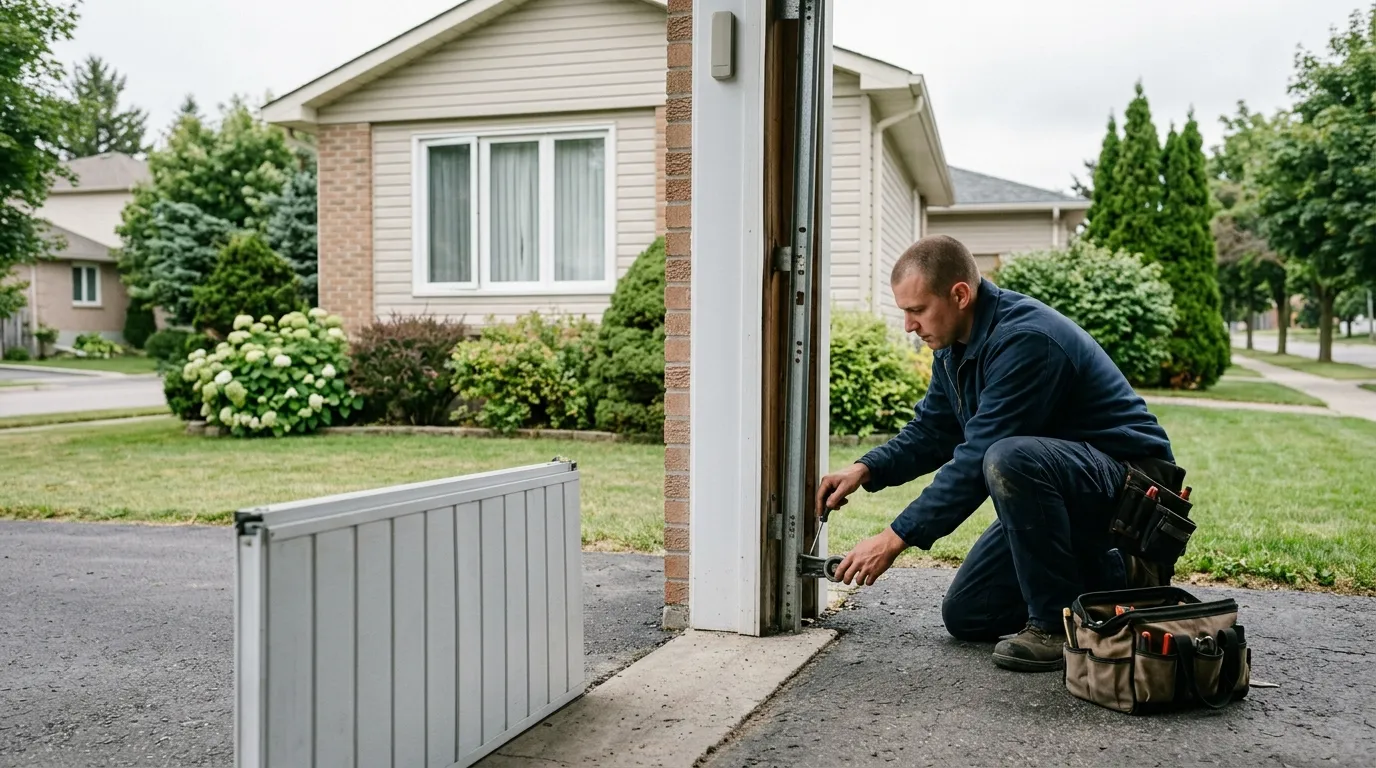
Tell us what’s wrong - Idaho Falls garage door service

Tell us what’s wrong

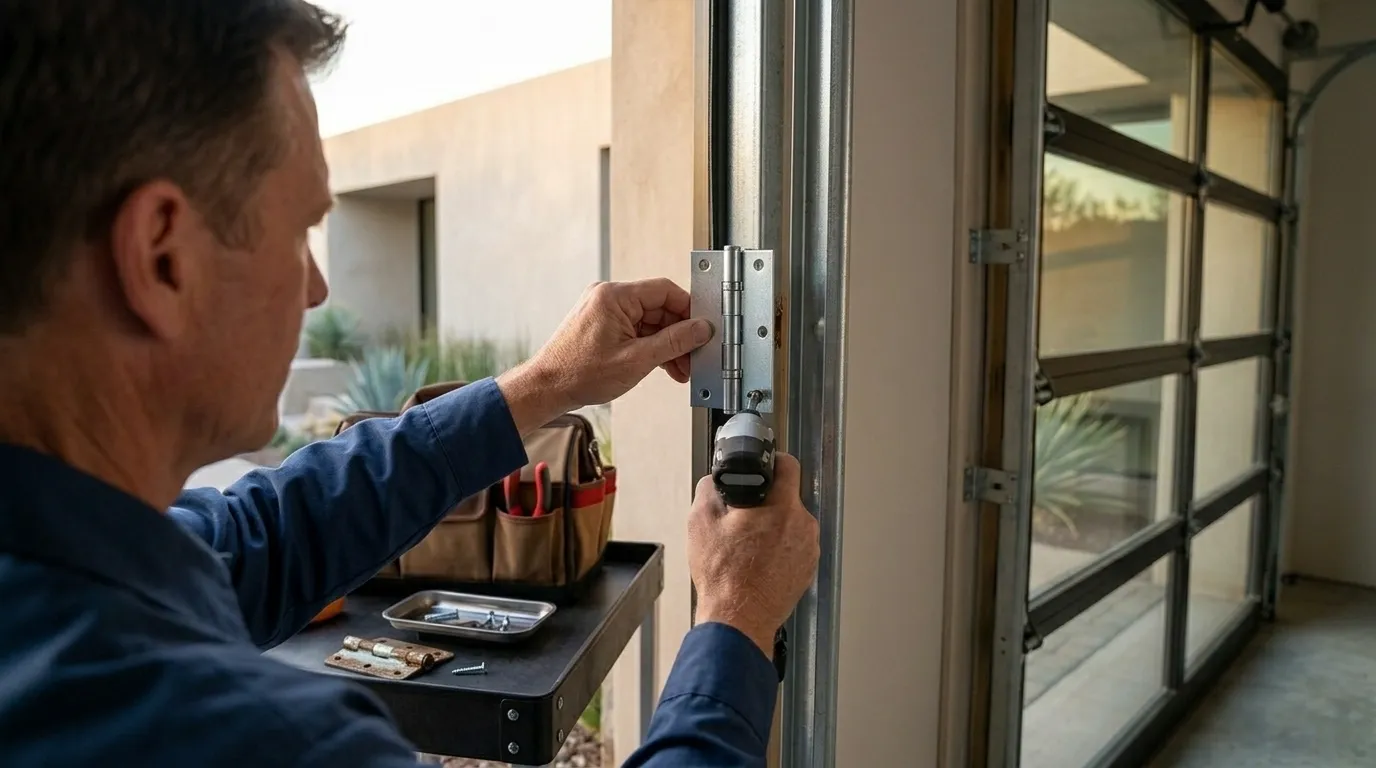
Describe the symptom - won’t open, loud bang, opener runs but the door won’t move.

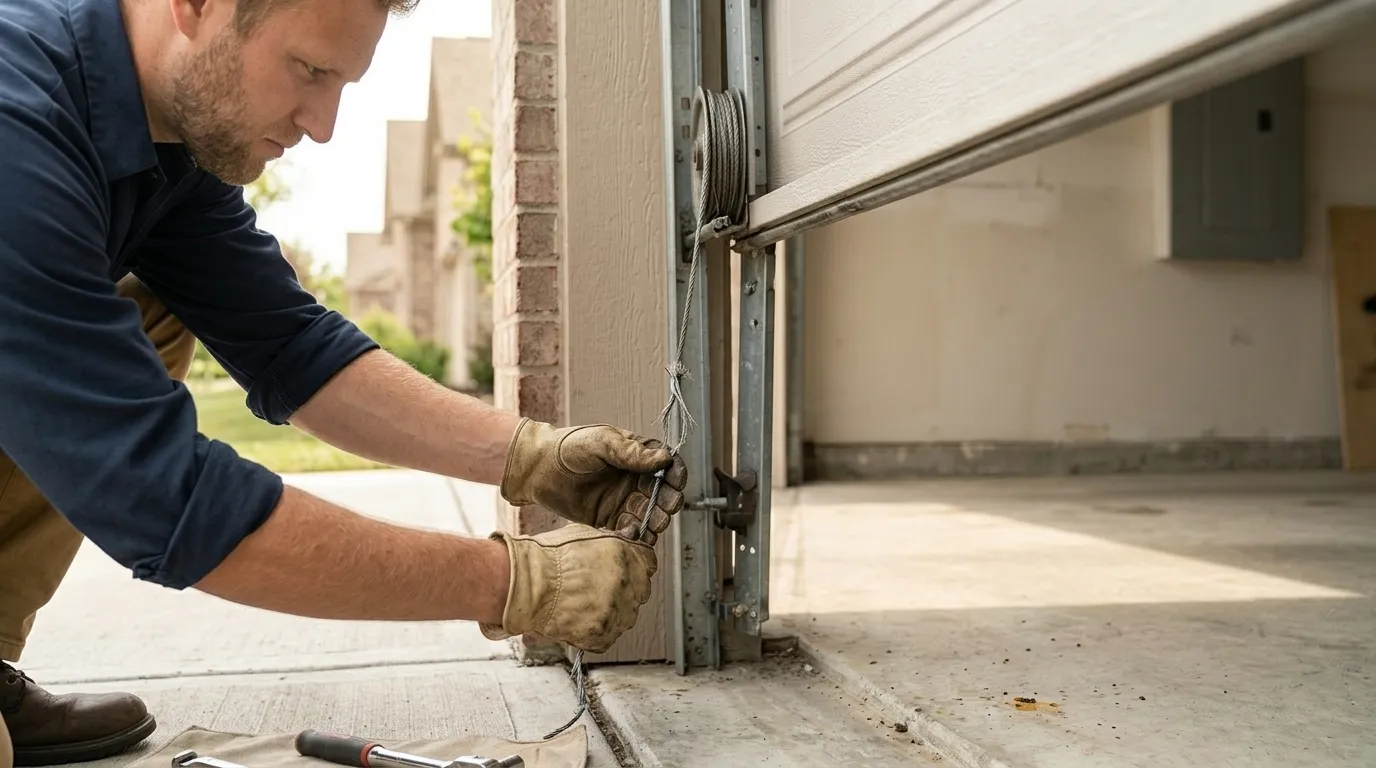
On-site diagnosis - Idaho Falls garage door service

On-site diagnosis

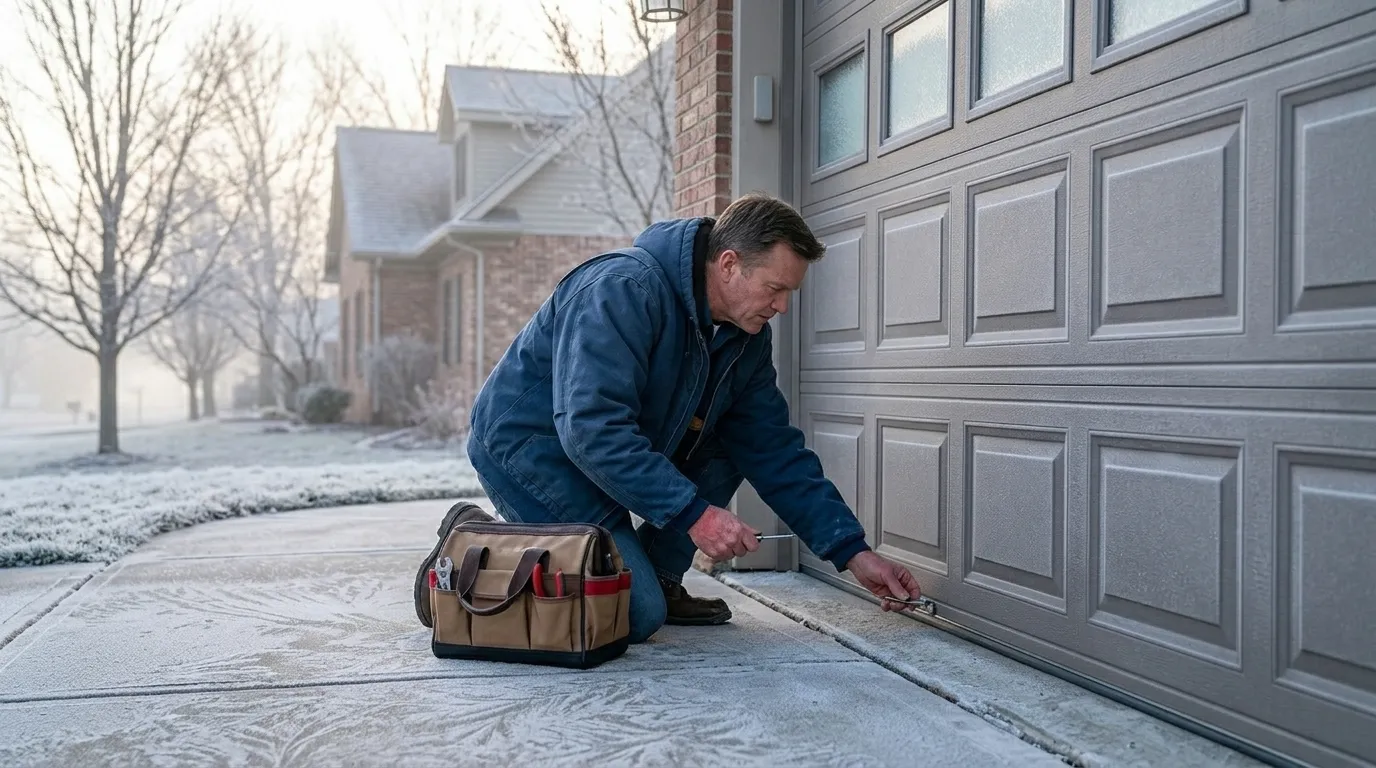
A technician tests the door under power and by hand and finds what actually failed.

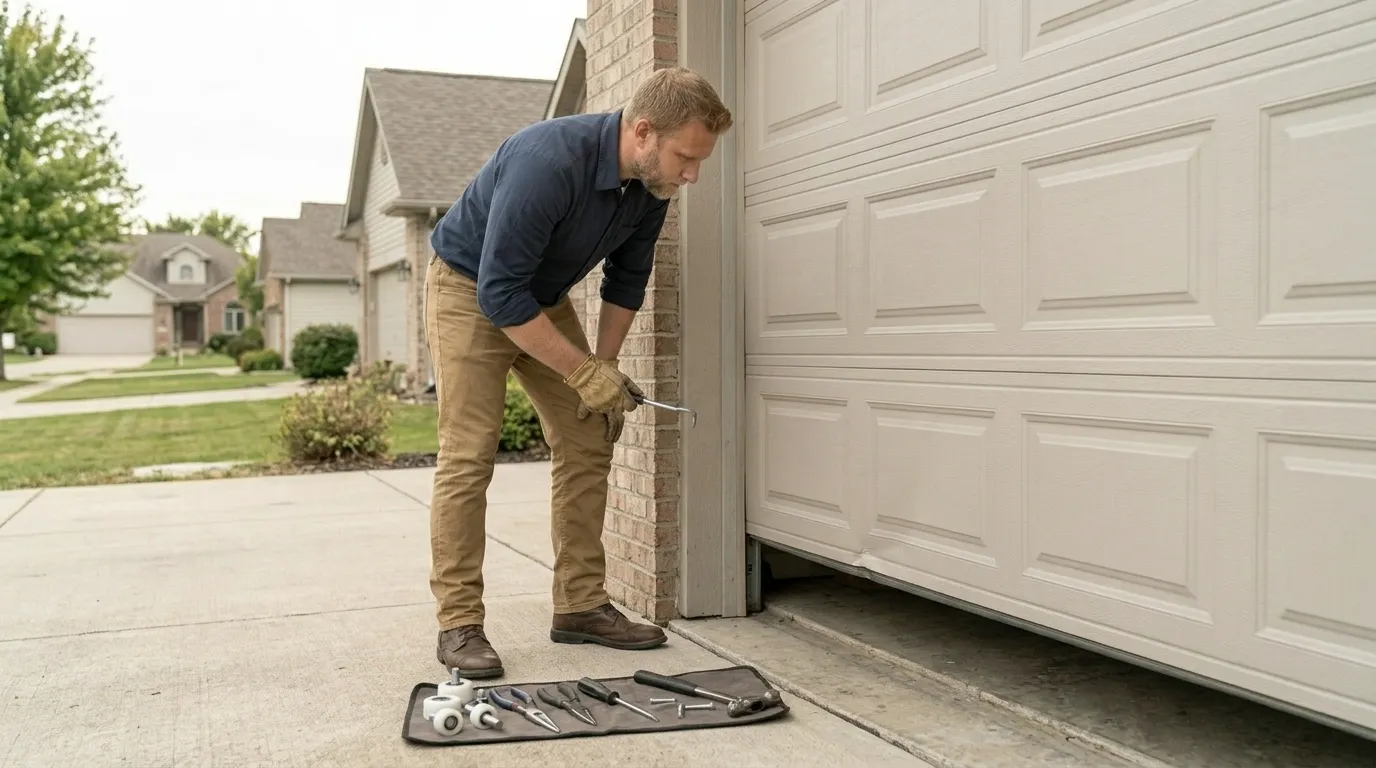
Clear, up-front plan - Idaho Falls garage door service

Clear, up-front plan

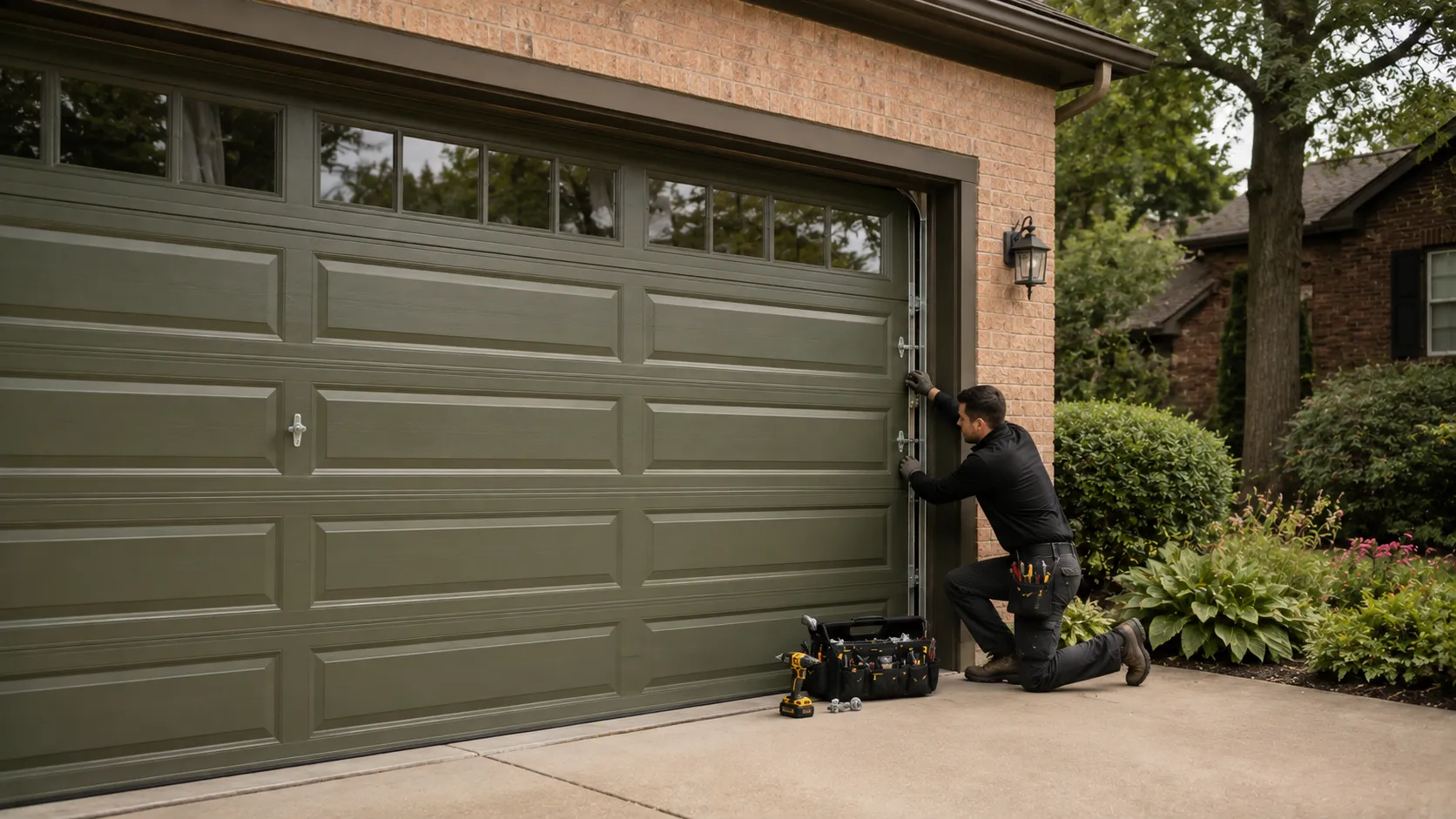
You get the fix that’s needed and what drives the cost - before any work starts.

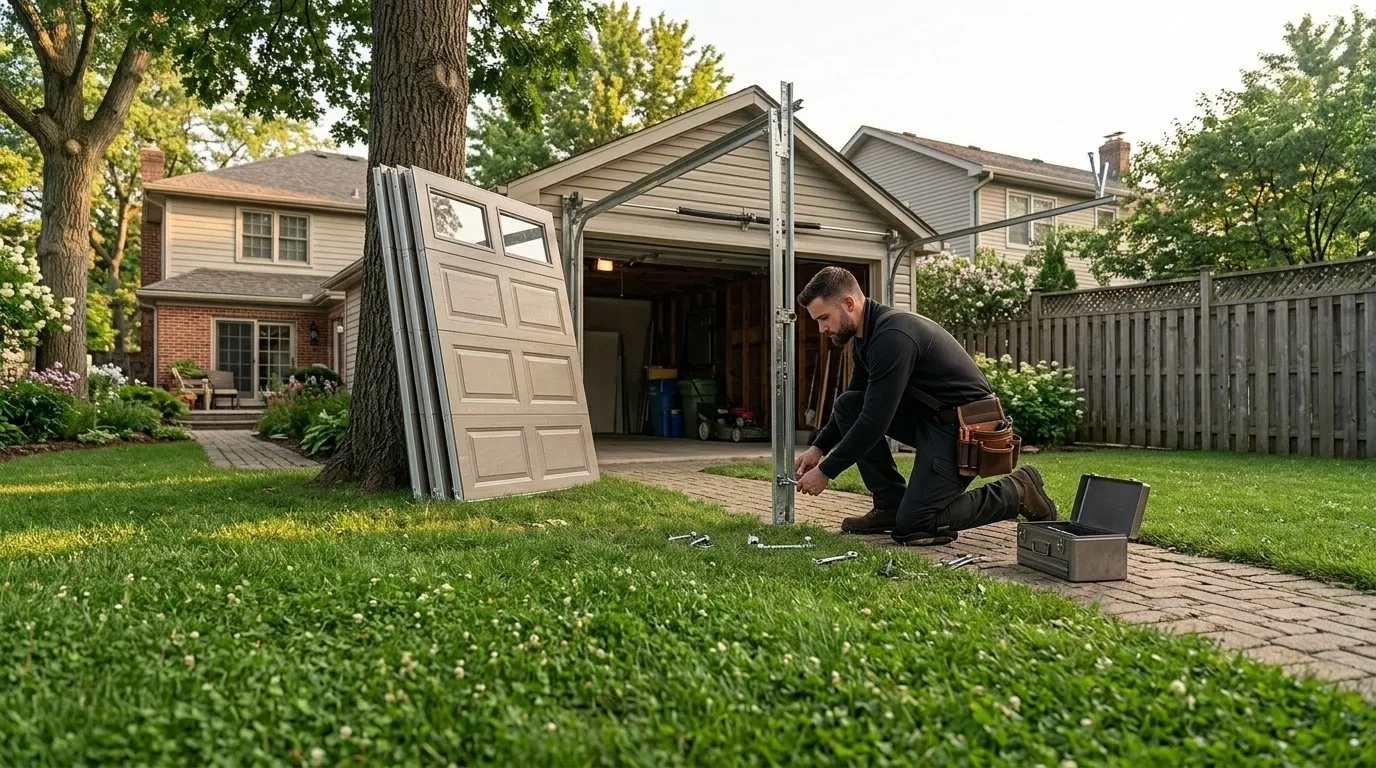
Repaired & tested - Idaho Falls garage door service

Repaired & tested

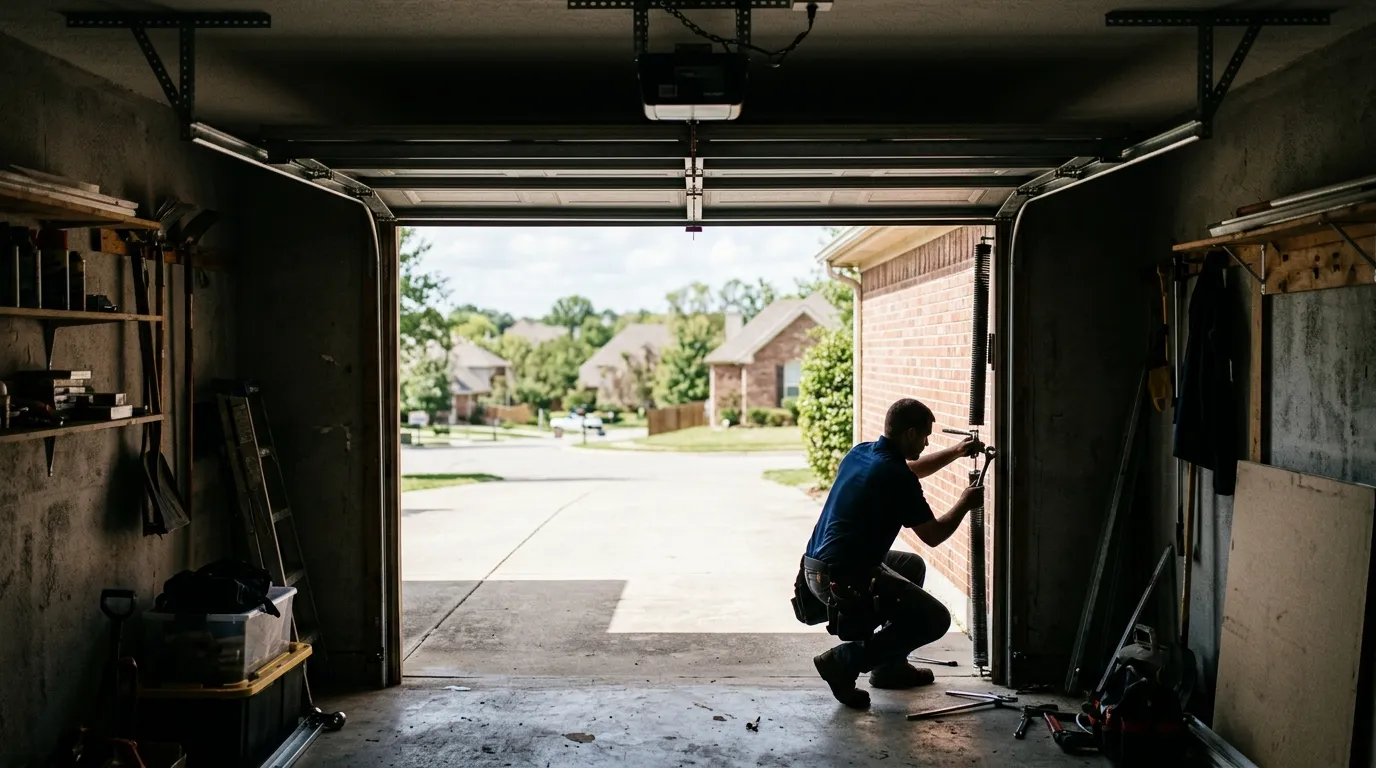
The repair is done, the door is set true and tested, and the work area left clean.

Serving Idaho Falls, ID - tell us what your door’s doing and we’ll take it from there.

How we work

What to expect

Diagnosis firstEvery visit starts by finding what actually failed - not a pre-written parts list.
The right part for the doorSprings and openers matched to the door’s weight and age, so the fix holds up.
Straight answersWhen a repair makes more sense than a replacement - or the reverse - you hear it plainly.
Clean, careful workTension released safely, hardware set true, the door tested under power before we leave.
Questions

Frequently asked

Straight answers about garage door repair in Idaho Falls. Still unsure? Ask us directly.

Why did my spring snap in the middle of winter with no warning?

Torsion springs don't give much notice - they wind down through thousands of cycles and let go at whatever point the metal gives up. In a cold-severe climate like this one, steel gets more brittle, so winter is when a spring that was already near the end of its life tends to fail. It's rarely about anything you did.

Is my garage door old enough that repair doesn't make sense?

Depends on what's actually wrong. Most homes in this service area date to the 1963-2003 range, and a spring or roller swap on original hardware is usually straightforward. It's when the track, drum, or panel from that same era is failing alongside the spring that replacement starts making more financial sense than patching each part separately.

Do you serve areas outside Idaho Falls itself?

We work the surrounding service area, including toward Ammon about 4 miles out, Shelley around 9 miles, and further to Rigby, Firth, and Ririe. Distance affects scheduling more than pricing, so it's worth mentioning where you are when you call.

Why does my door only stick in the winter?

Cold-severe temperatures change how lubricant, steel, and weatherstripping behave. Chain and belt drives slow down in thick, cold grease; springs shift tension; and old weatherstripping from decades-old builds gaps more in deep cold. It's a seasonal symptom of aging hardware, not usually a sign of a new problem.

Ready to get your garage door sorted?

Tell us what it’s doing and where you are in Idaho Falls - we’ll take it from there.

Request a QuoteCall