How Long It Takes
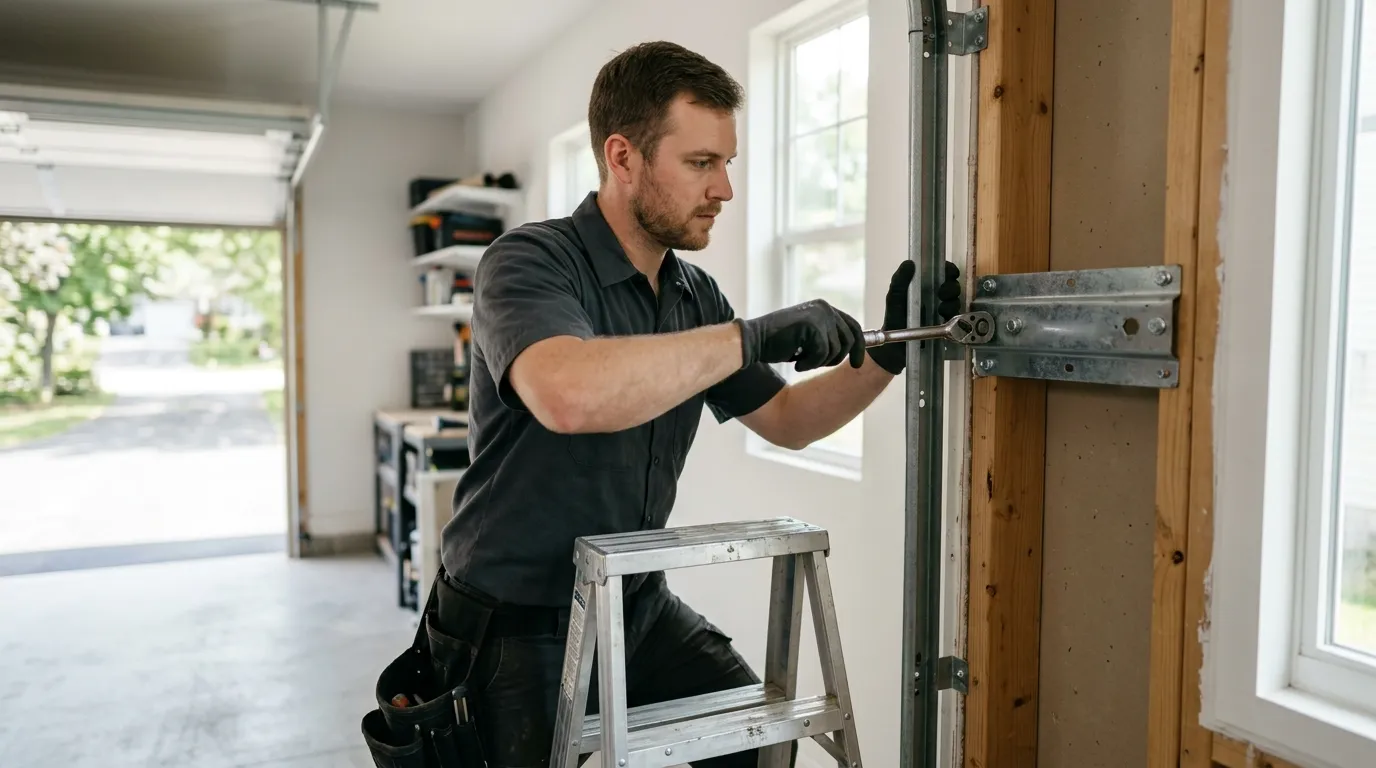
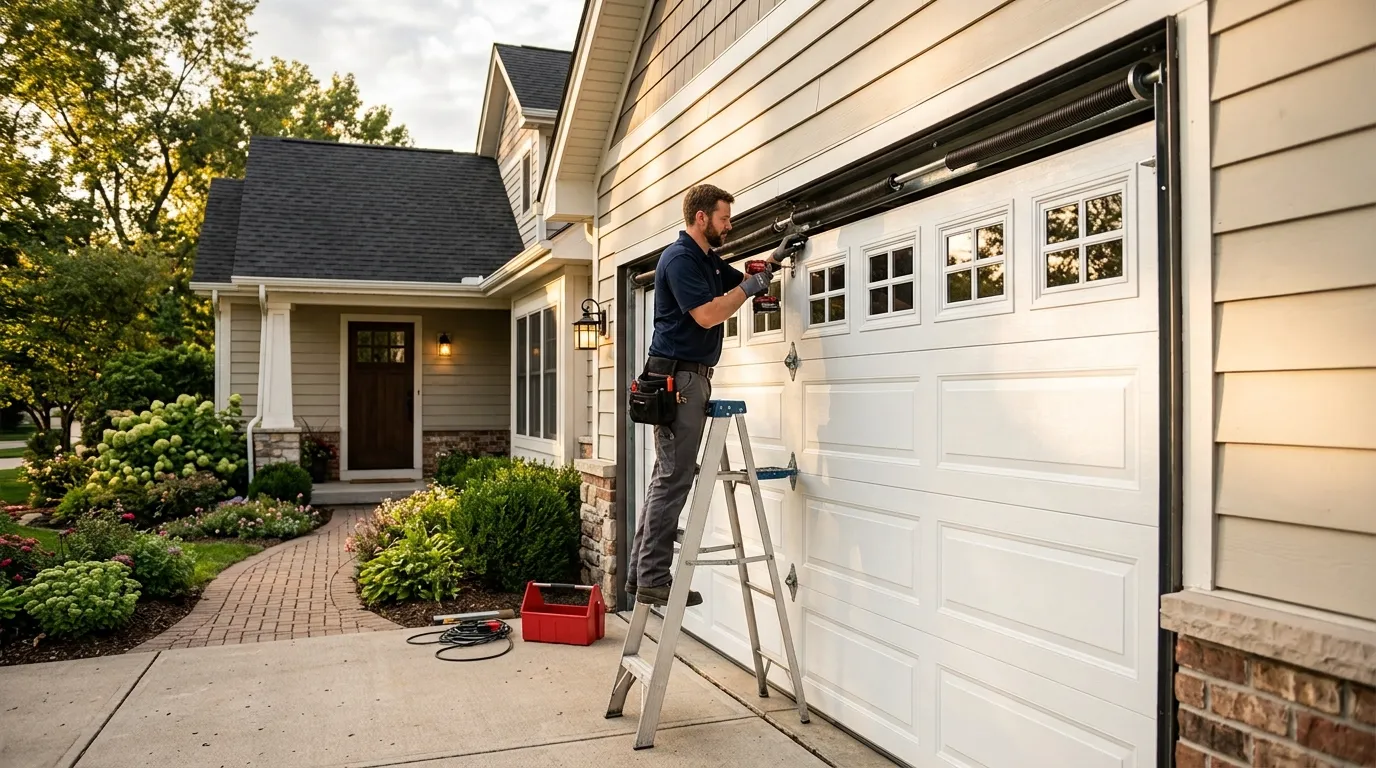
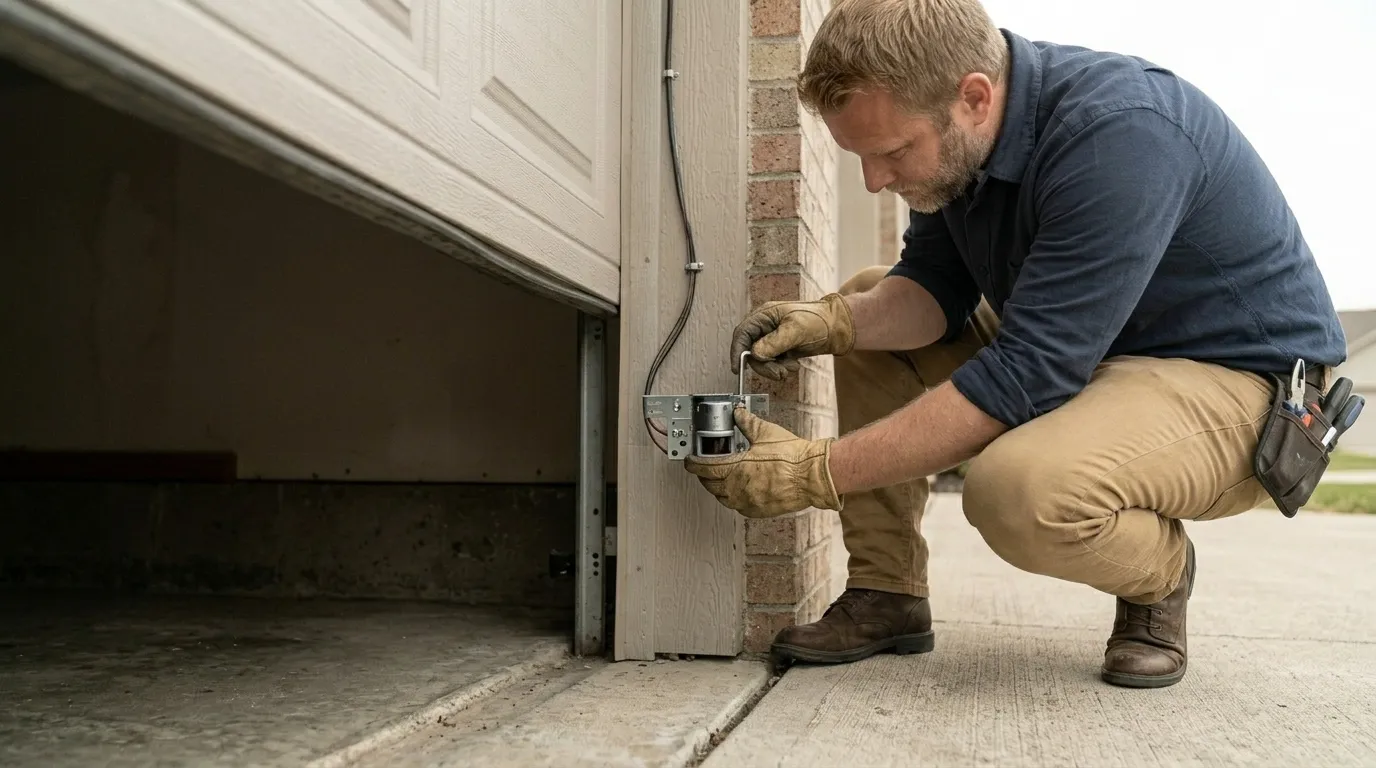
A door that's jumped the track in Ririe is usually a single-car steel door from the 1960s or early 70s, narrower than what gets built today, hung on tracks that have had sixty winters to rust and bend a little at the bottom bracket. Once we're on site, resetting rollers back into a track that's still true is a job we can usually close out inside an hour. If the track itself is bent - which happens more on these older narrow doors because the bottom bracket sits closer to the jamb than modern hardware - straightening or replacing that section adds time, since we're carrying stock sized for typical widths, not always for the narrower openings common on houses from this era. We travel the 17 miles from Idaho Falls for every Ririe call, so the clock starts when we leave, not when you call. There's no local branch out here, and we won't pretend otherwise. What we can promise is that once the truck arrives, the diagnosis is quick - off-track almost always shows itself the moment we open the door partway.
Getting It Booked In
Tell us the door won't move, or moves and grinds, or hangs crooked on one side - that's usually enough for us to load the right rollers and a spare bottom bracket before we make the drive. Because Ririe sits 17 miles out, we ask for a little more detail up front than we would for a closer call: the rough age of the house if you know it, whether the door is single or double, and which side looks off. That saves a second trip. We don't keep a crew stationed in Ririe, so same-day isn't something we guarantee sight unseen - it depends on what else is on the schedule that day and what the door is doing. If the door is still on its track but binding, don't force it with the opener; that's how a bent track turns into a bent door panel.
Where This Job Goes Sideways
Cold is the real culprit here. The climate this whole service area sits in is classed as severely cold, and a door built in 1963 wasn't engineered with the sealant and lubricant standards you'd expect on anything installed in the last twenty years. Grease stiffens, rollers stop turning freely, and a door that's already fighting a stiff roller is far more likely to jump the track the next time it's forced open on a cold morning. That's the pattern we see out here more than anywhere closer in: not a dramatic failure, just decades of cold slowly seizing hardware that then finally gives on a below-freezing day. If the track is badly rusted rather than just bent, resetting it isn't worth doing - at that point you're paying for a repair that'll fail again by next winter, and replacement is the honest answer.
What You Are Seeing
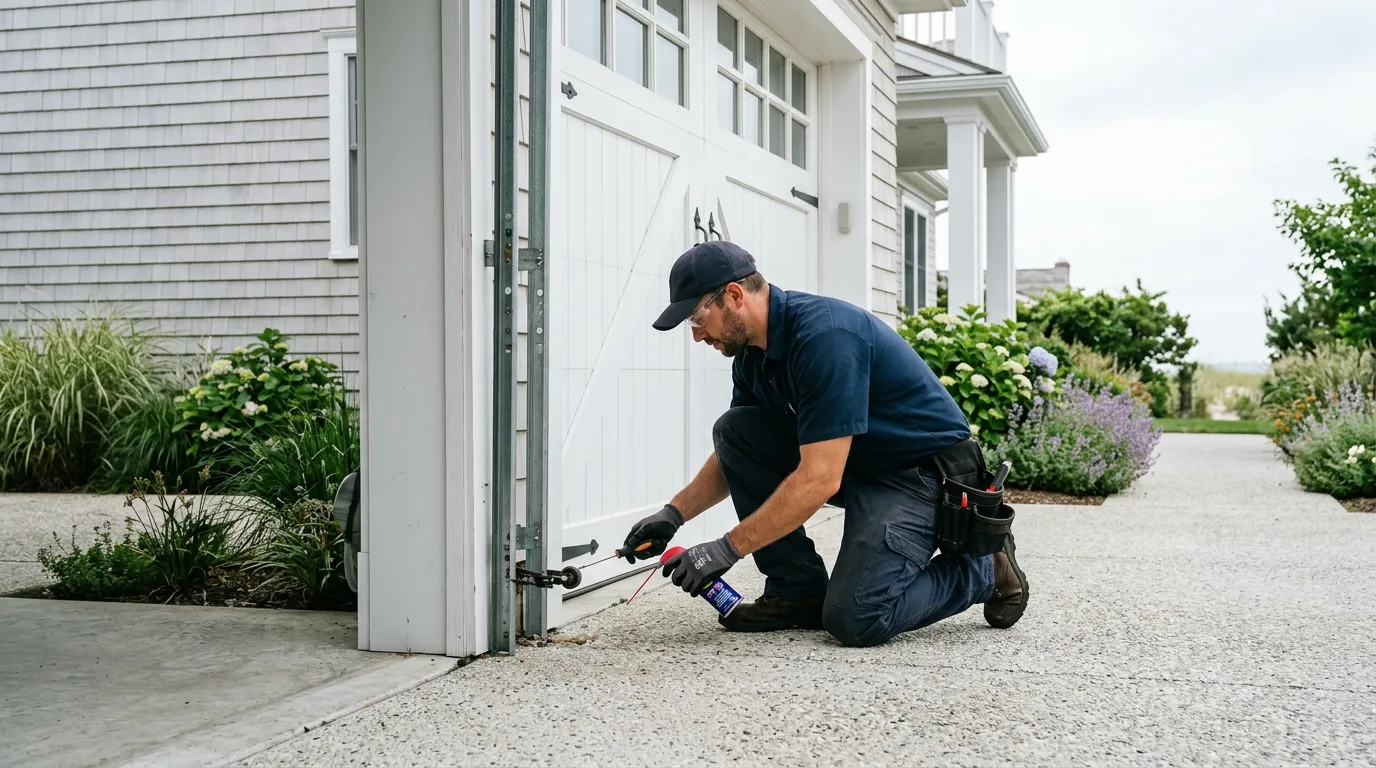
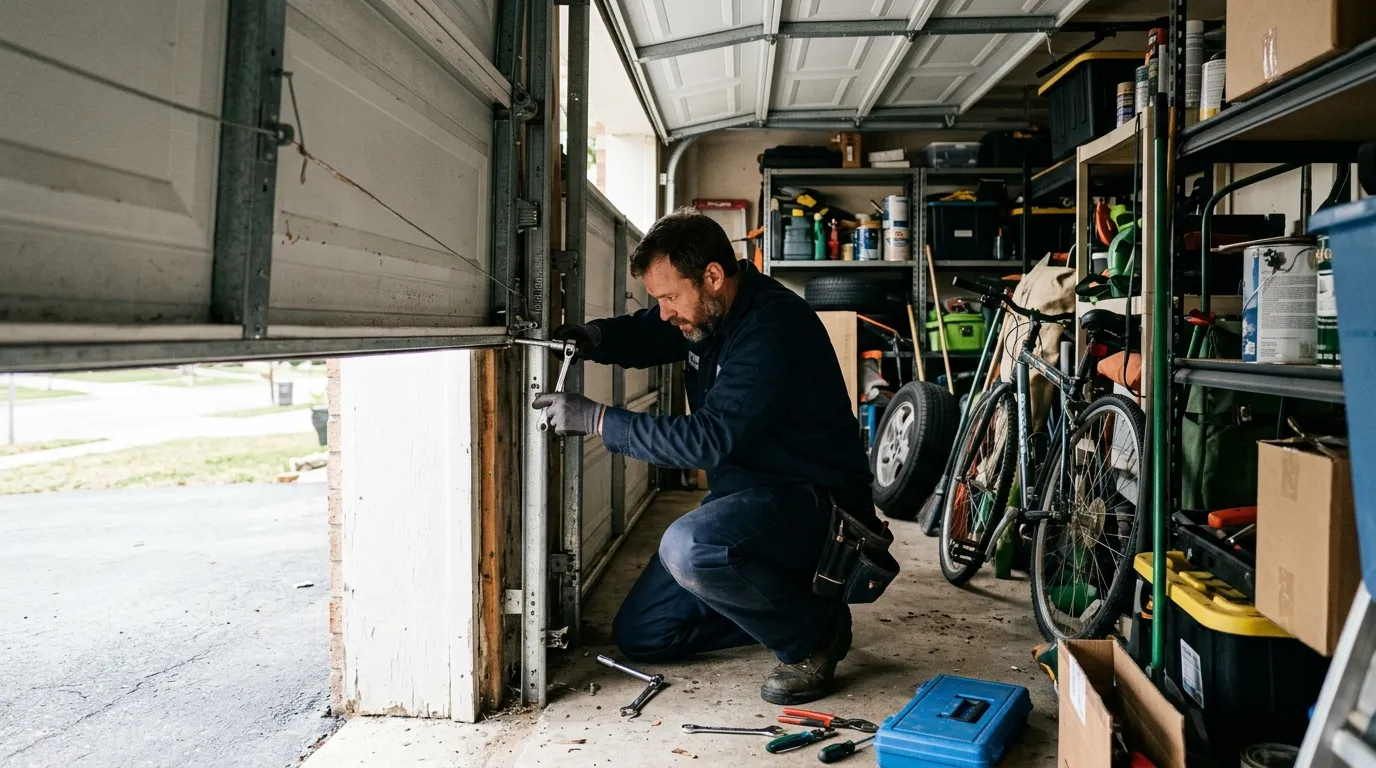
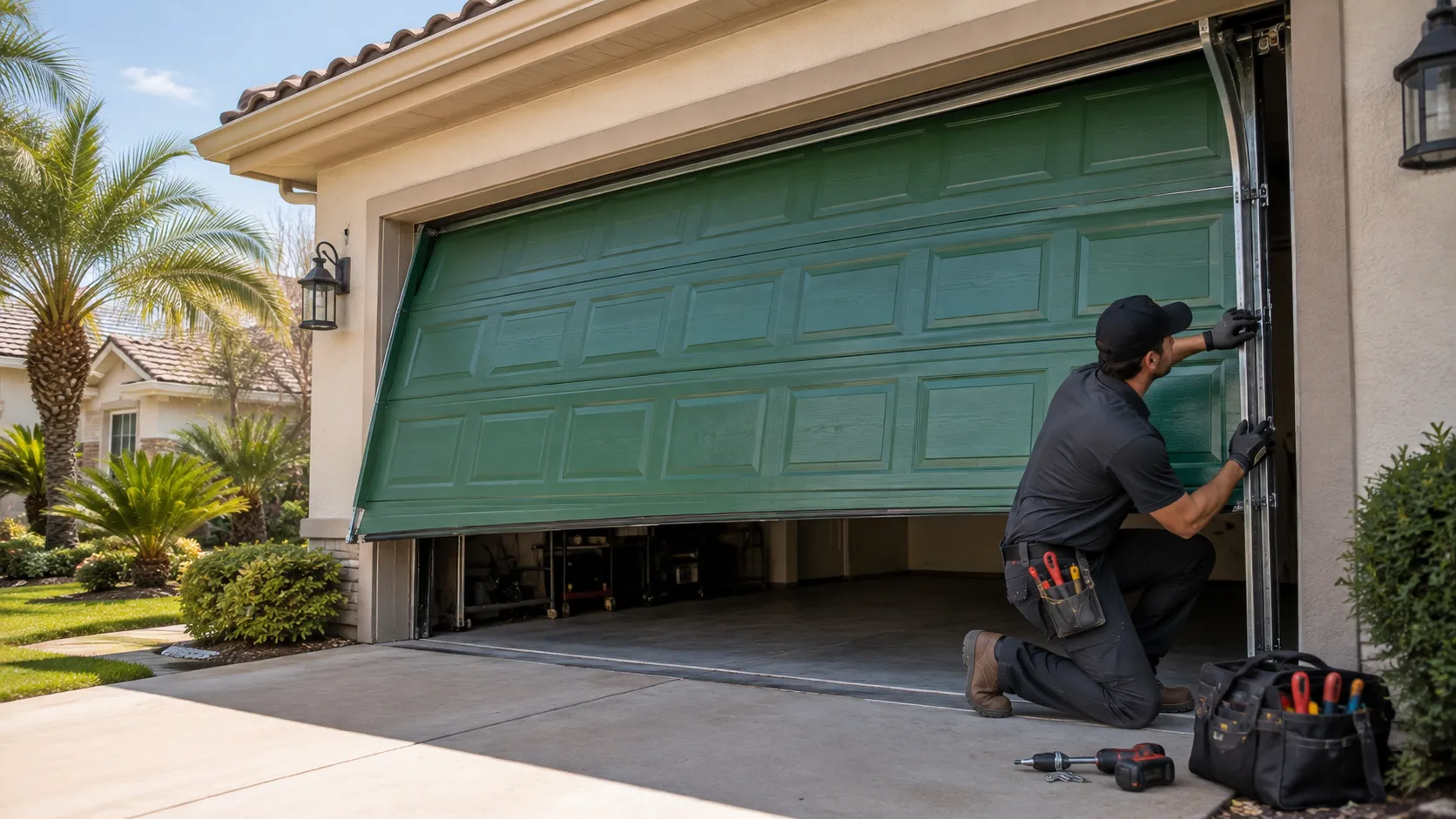
If the door is sitting crooked, with one bottom corner touching the ground and the other lifted, or if it stopped mid-travel and now won't budge either way, that's a door off its track, not a broken spring - those look similar but the fix is different. On these older single-car doors, watch for a roller that's popped clean out of the track channel near the bottom; on the original hardware from this era, that channel has often worn wide enough that a roller with any play in it can pop free entirely rather than just binding. Don't run the opener repeatedly trying to force it - that's the fastest way to bend the track further or crack an old steel panel that's already brittle from the cold. Households in this part of the service area report a median income right around $64,273, which is worth mentioning only because it lines up with what we typically quote for a same-day roller and track reset versus a full section replacement - ask before we drive out and we'll walk you through which one this sounds like from your description.