How Long It Takes
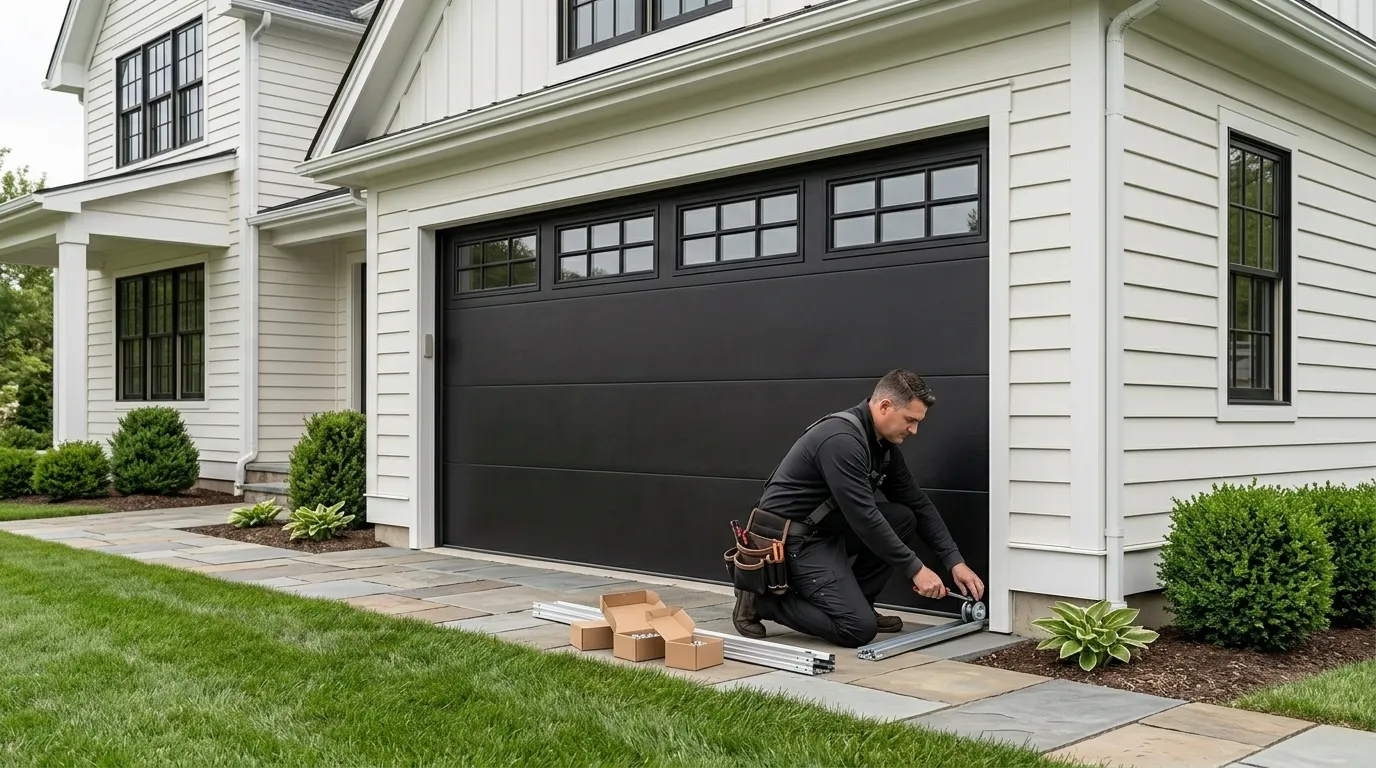
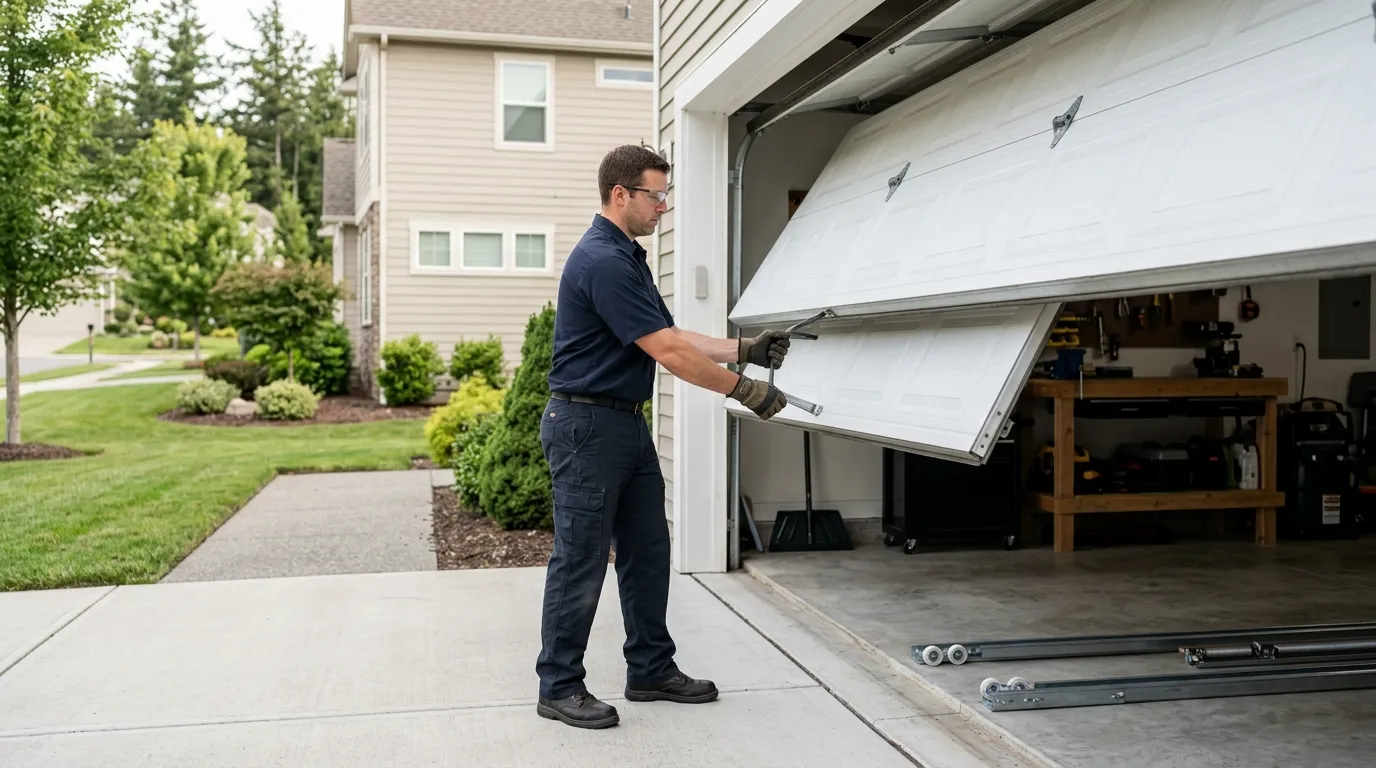
Ririe is a small place - around 321 households - so we don't run a truck out here every day the way we do closer in. That's not a knock on the town, it's just math: fewer houses means fewer calls, which means we batch the trip. When you call, we're honest about the drive. It's 17 miles out from Idaho Falls, so the window we give you accounts for that stretch of highway, not just the time it takes to swap a spring or realign a track. Most single-issue repairs - a broken spring, a bad roller, an opener that won't respond - still get done in one visit once the truck is on site. What takes longer is anything that needs a part we didn't load for, because that means a second trip. We'd rather ask you two extra questions on the phone about what the door is doing than show up short.
Getting It Booked In
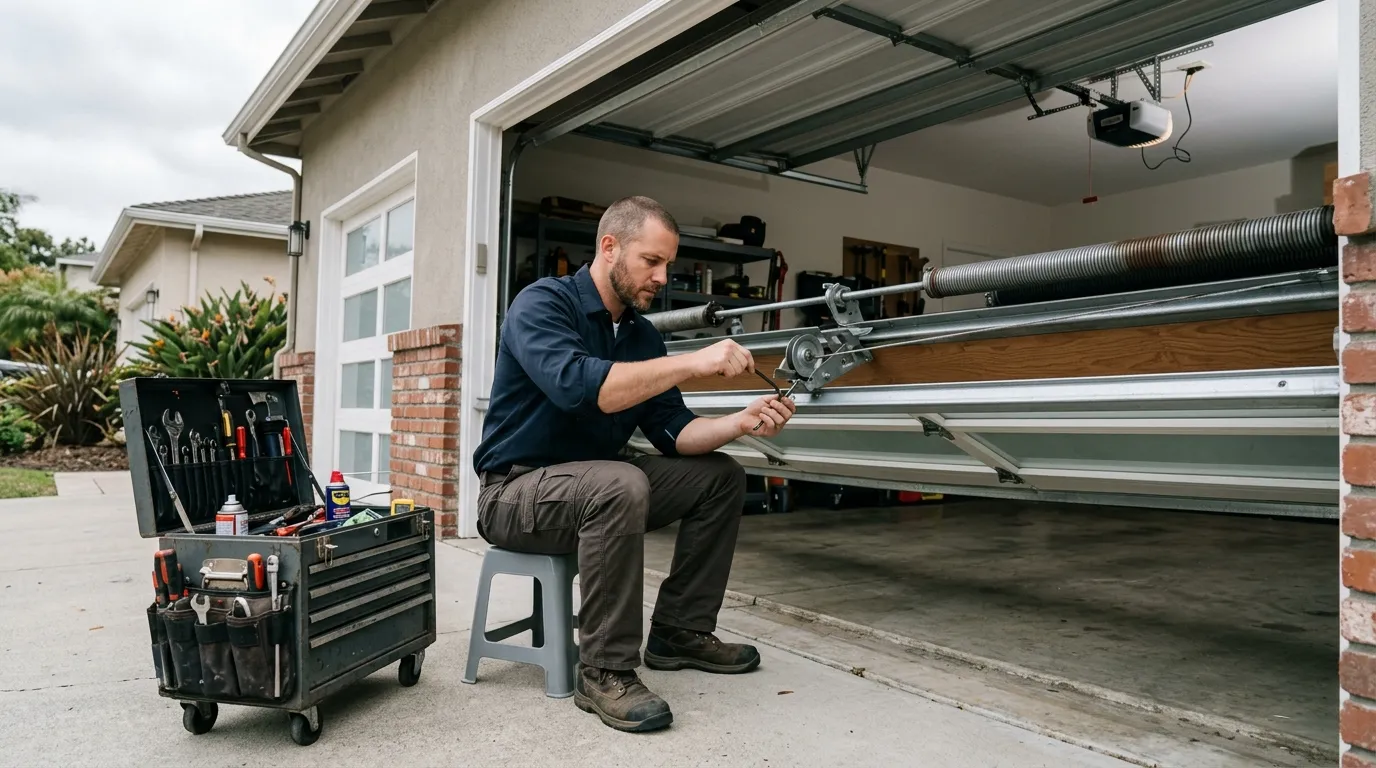
Since we're coming from Idaho Falls, the more you can tell us before we load the truck, the better. Is it a torsion spring above the door or extension springs along the tracks? Does the opener hum but not move, or say nothing at all? A photo of the springs and the track hardware helps more than a description, especially on a house from the 1960s where the setup may not match what a newer opener manual assumes. We book Ririe jobs the same way we book anywhere else in the area - we just plan the drive time into the slot instead of pretending it isn't there.
Where This Job Goes Sideways
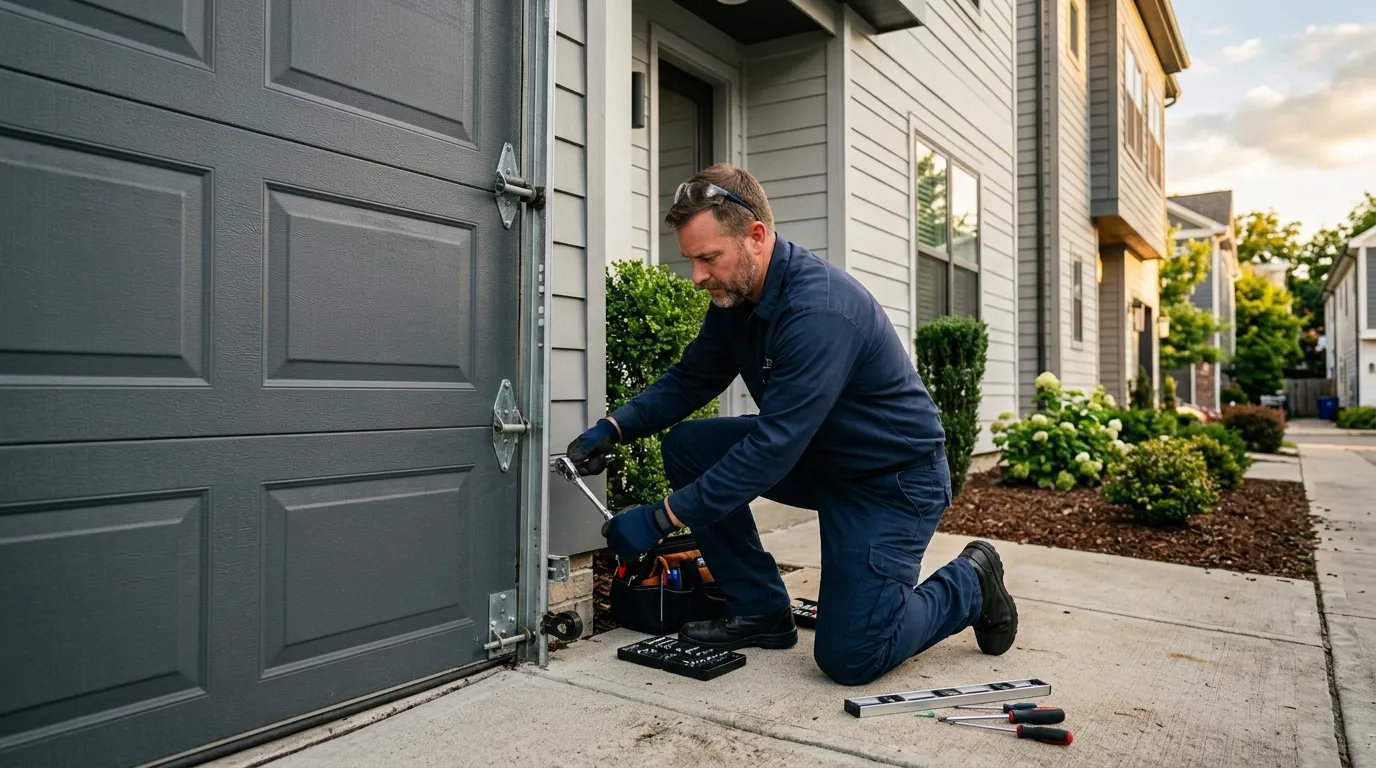
Cold is the recurring problem here. This area sits in a severe cold climate band, and steel springs and track hardware lose flexibility in hard winter temperatures the same way a car battery does. A spring that's been fine for years can snap on the first real cold snap because the metal's fatigue point moves with temperature. On older Ririe houses, that failure sometimes takes worn brackets or a bent track with it, because the original hardware was never built to be replaced piece by piece - it was built as a set. That turns a spring swap into a bigger job once we're actually looking at the door, and we'll tell you that on site rather than let the estimate creep on you later.
What You Are Seeing
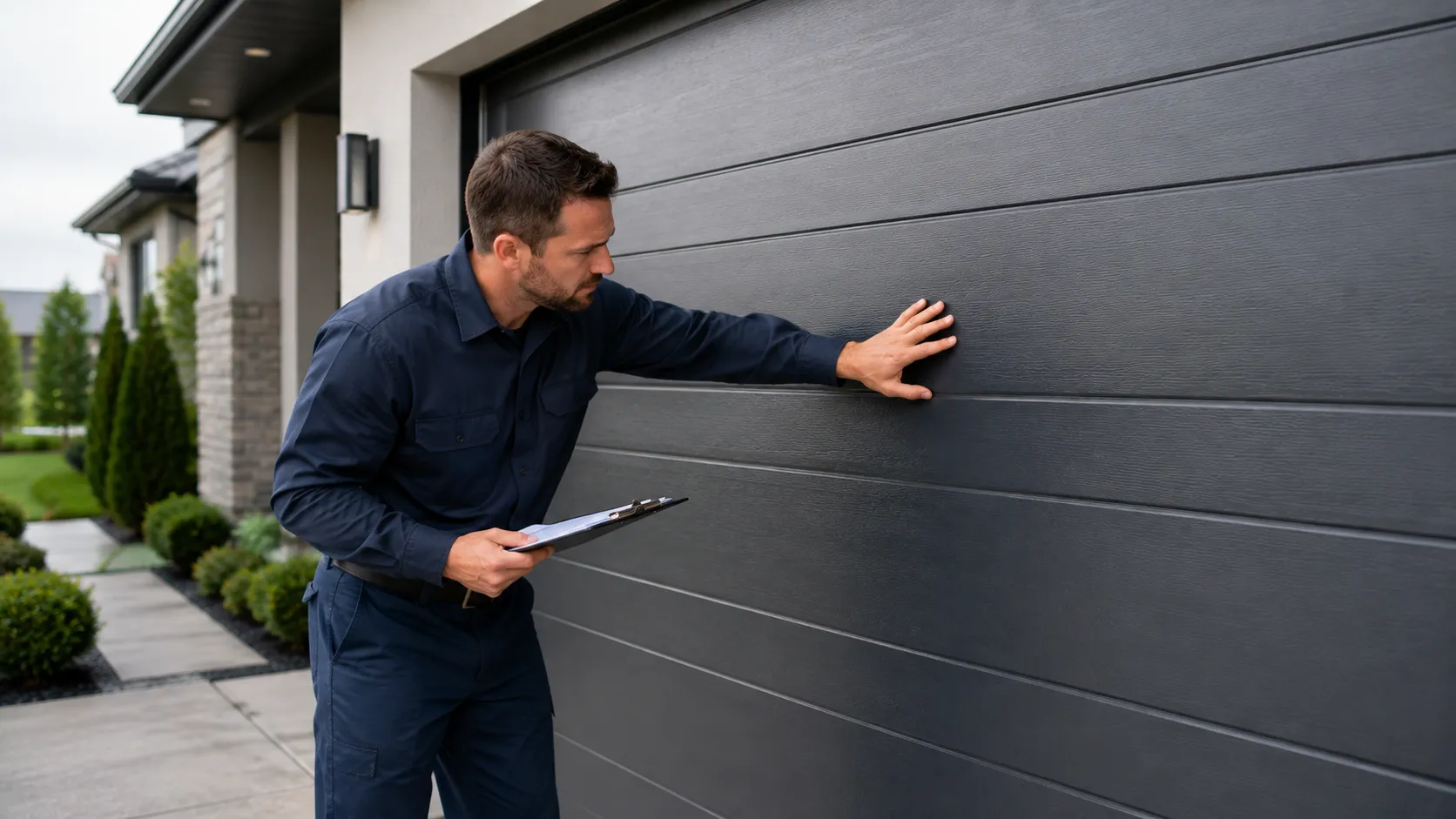
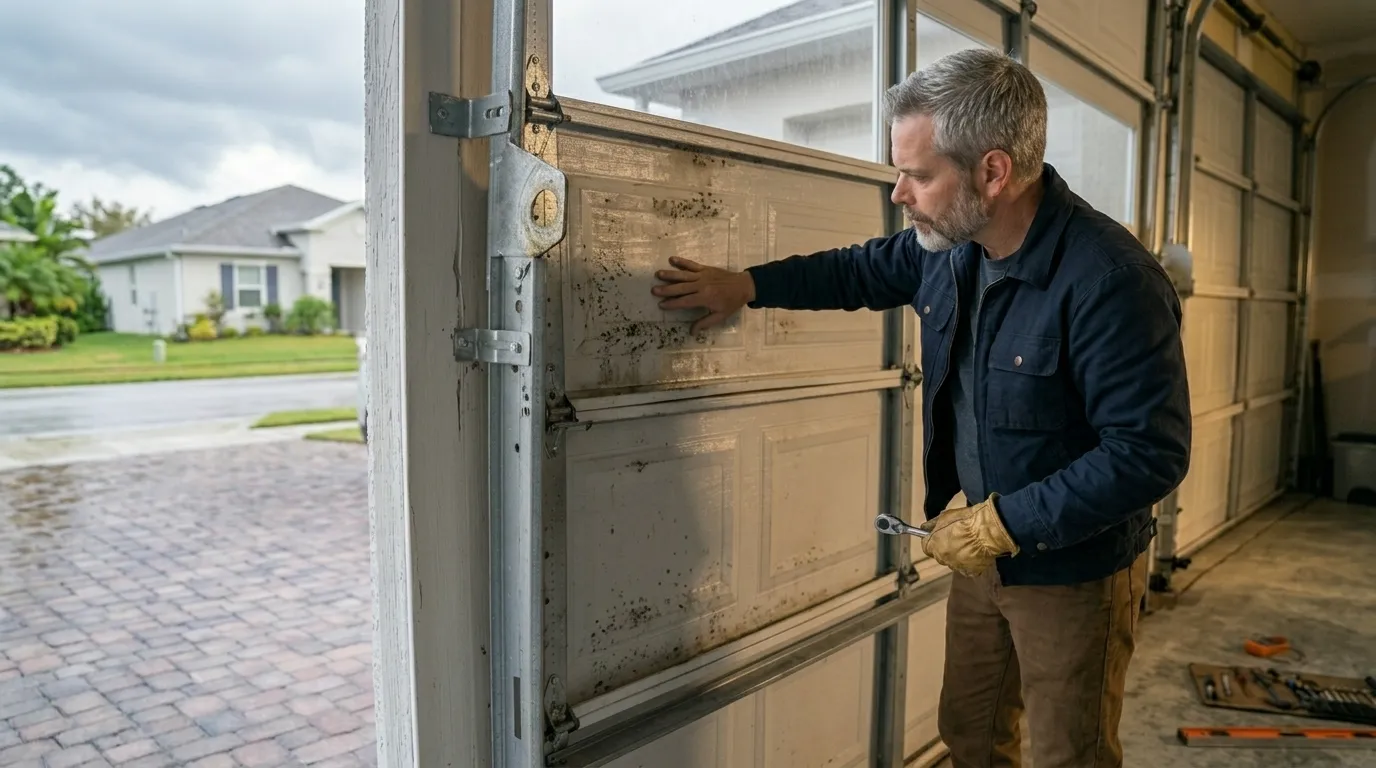
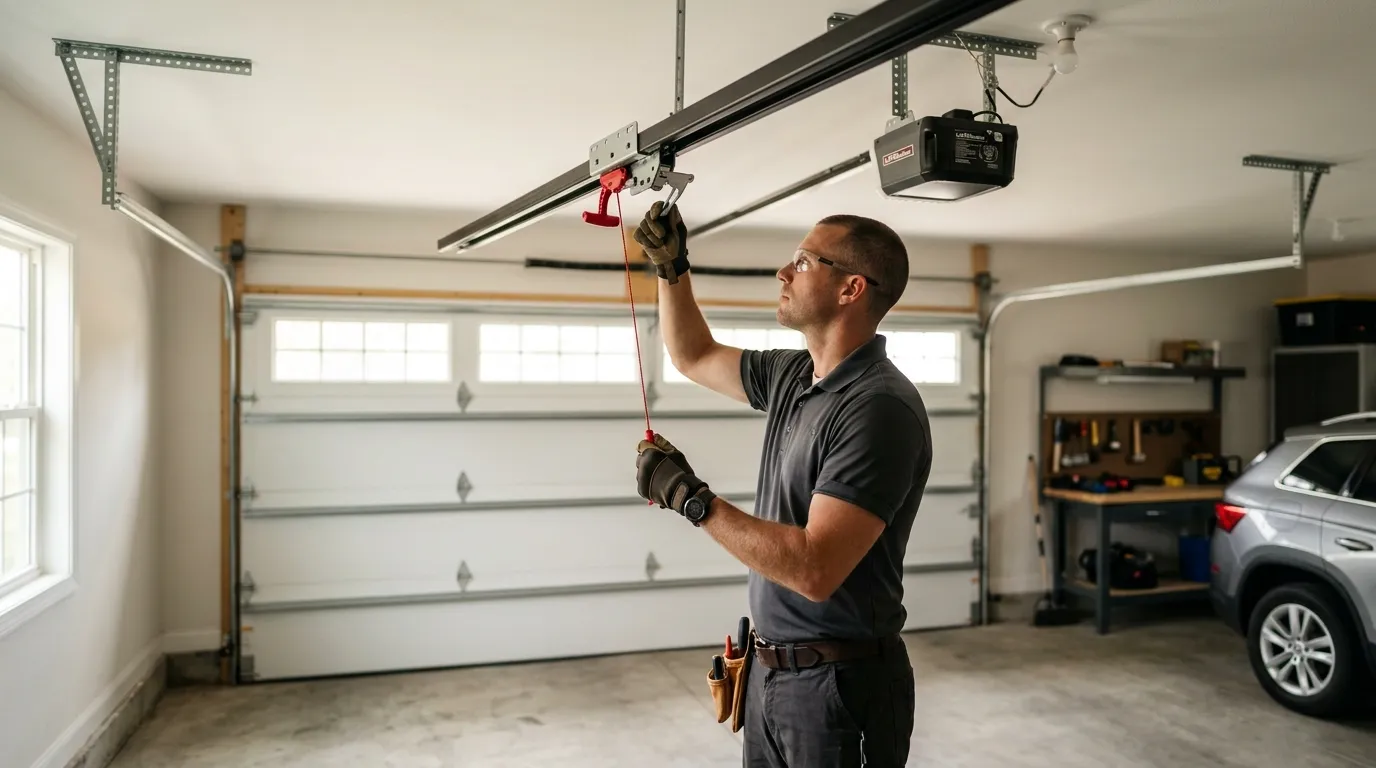
If your garage door is slow to respond, sagging on one side, or making a grinding noise on the way up, the age of the house matters more than the brand of the opener. A door original to a home built around 1963 has had six decades of temperature swings working on its springs and hardware, and a lot of that wear doesn't show until the part actually fails. If the opener runs but the door doesn't move - or moves and then reverses - that's usually a spring or cable problem, not the opener itself, and no amount of opener troubleshooting will fix it. We look at the door itself first, not just the motor, because on housing this old the motor is rarely the actual problem.