
What the Repair Takes
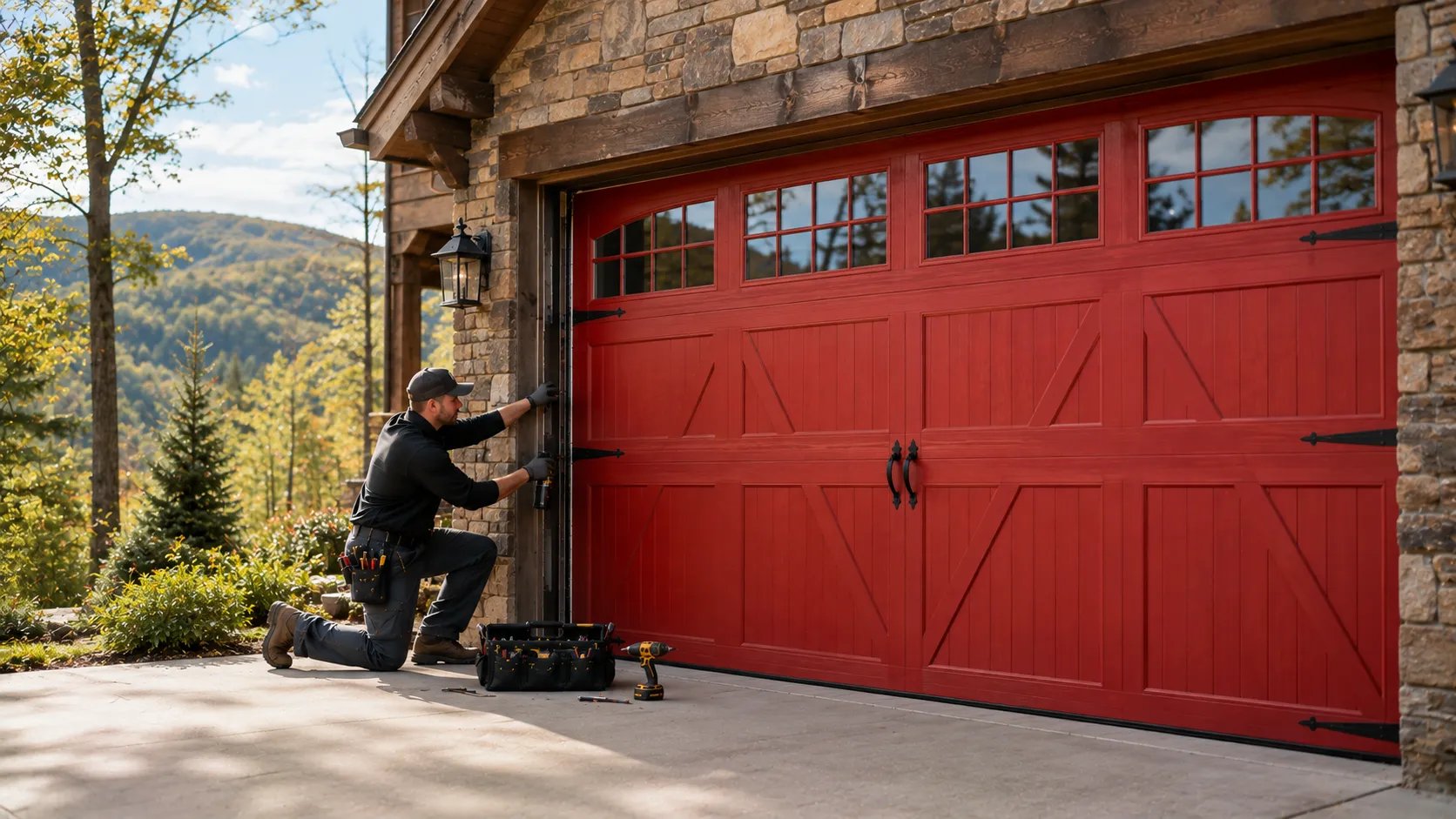
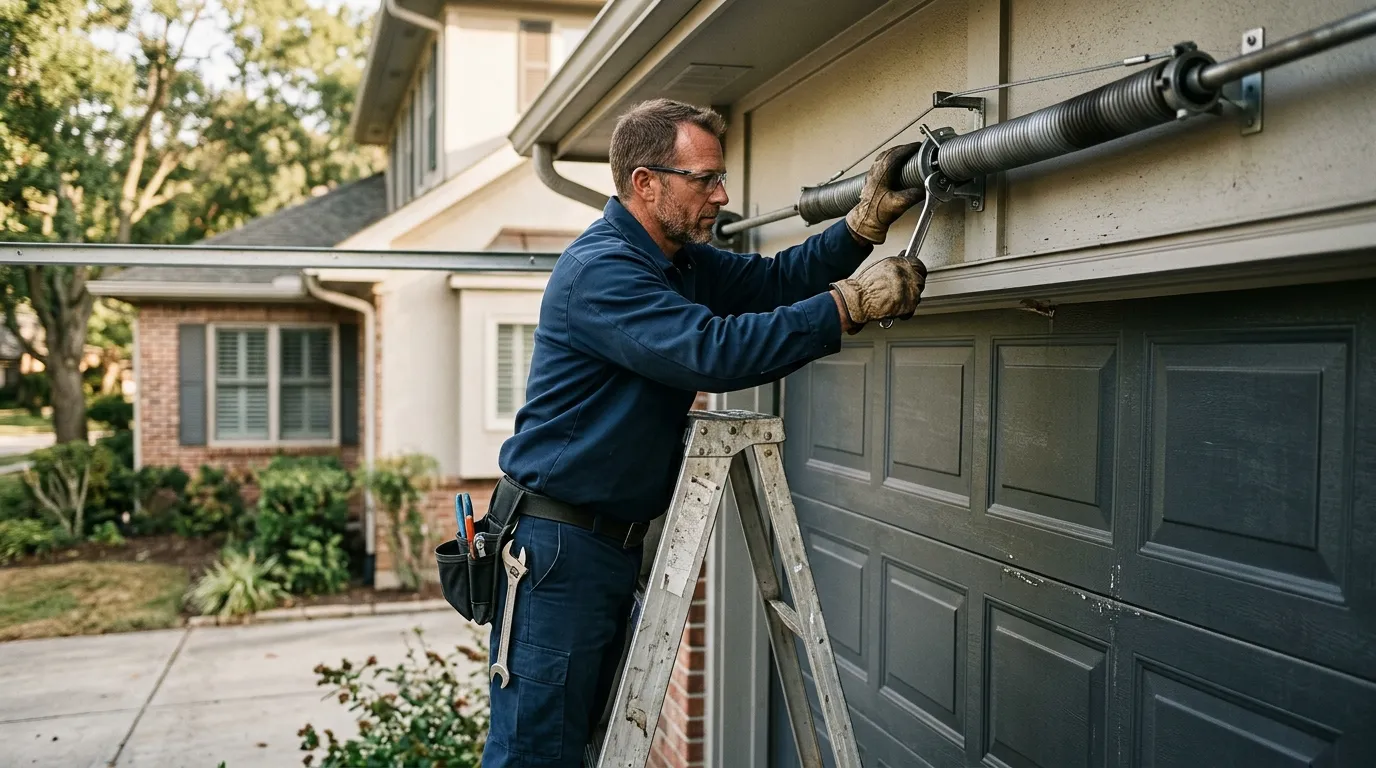
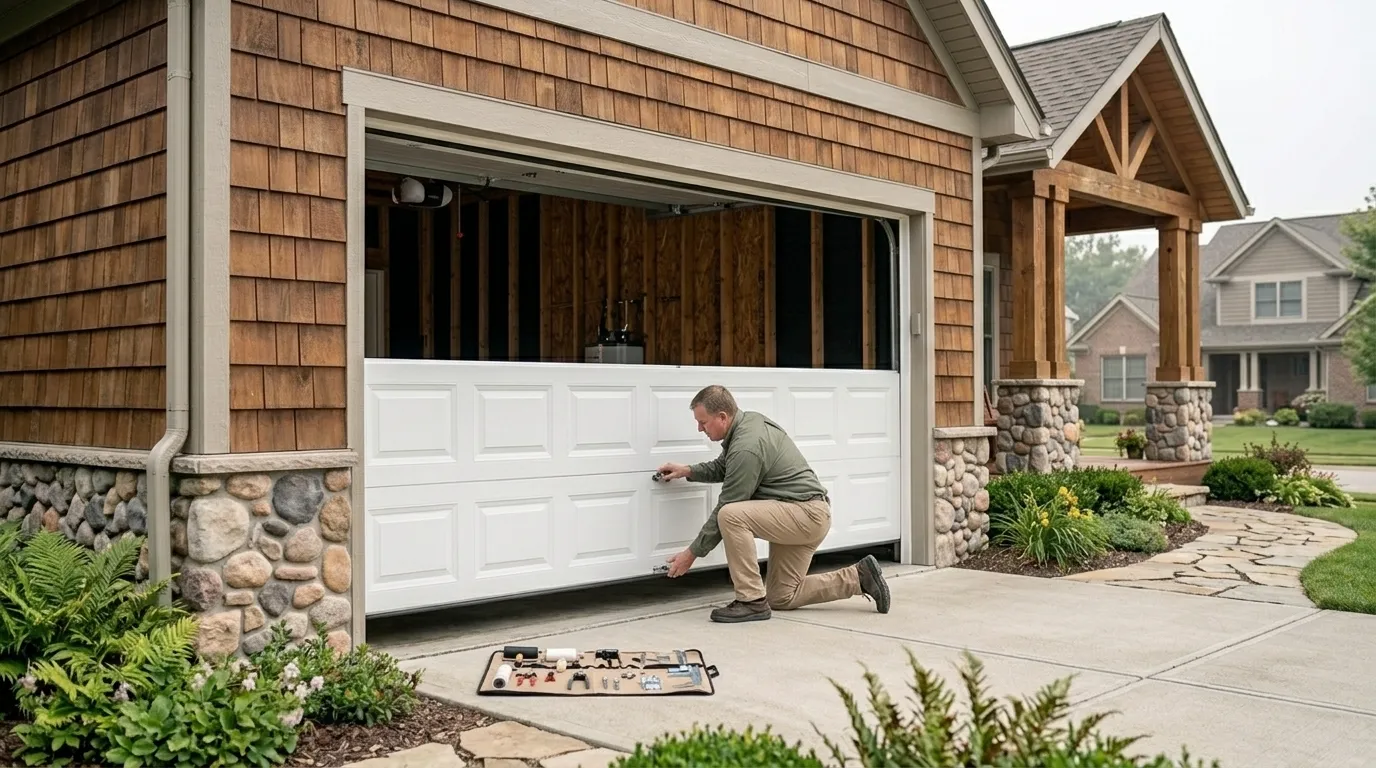
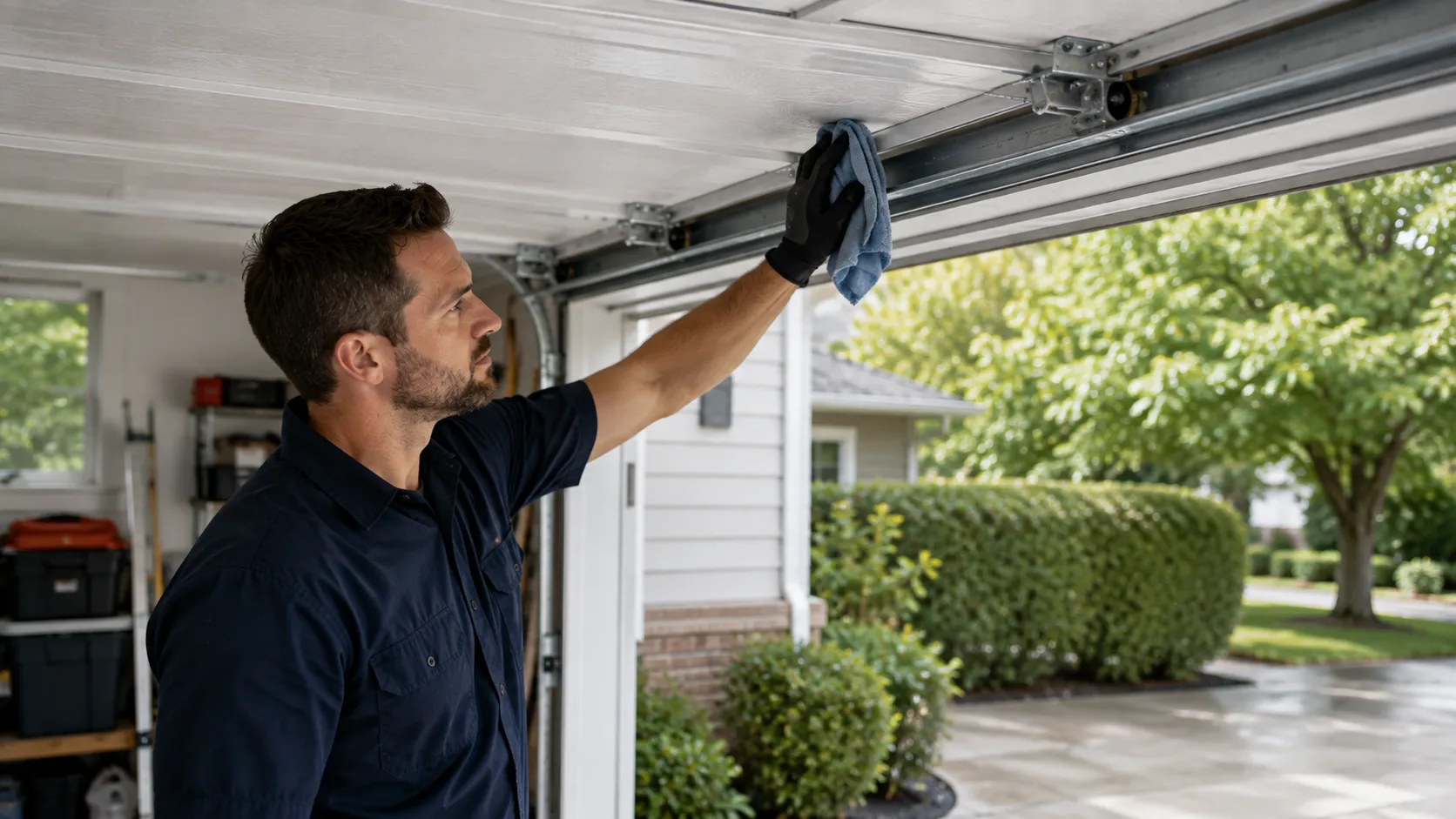
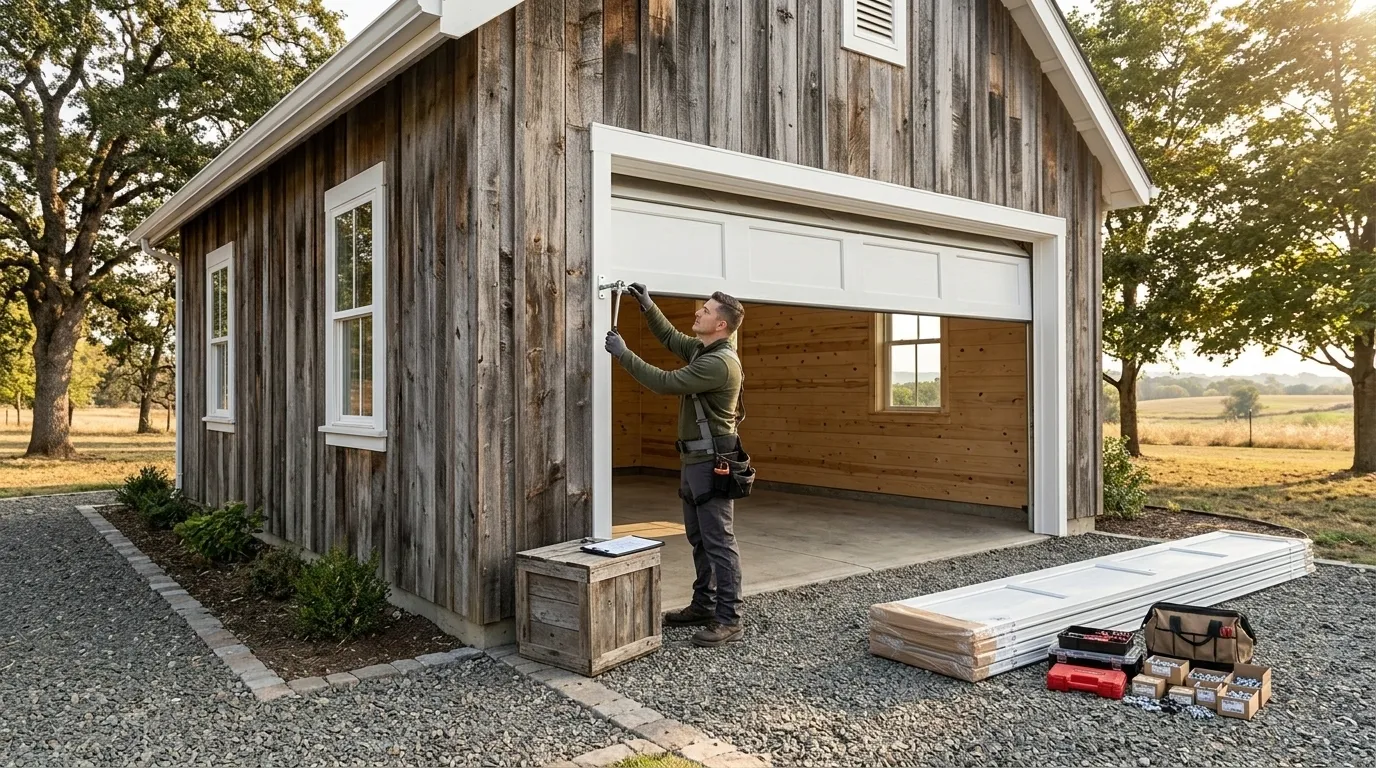
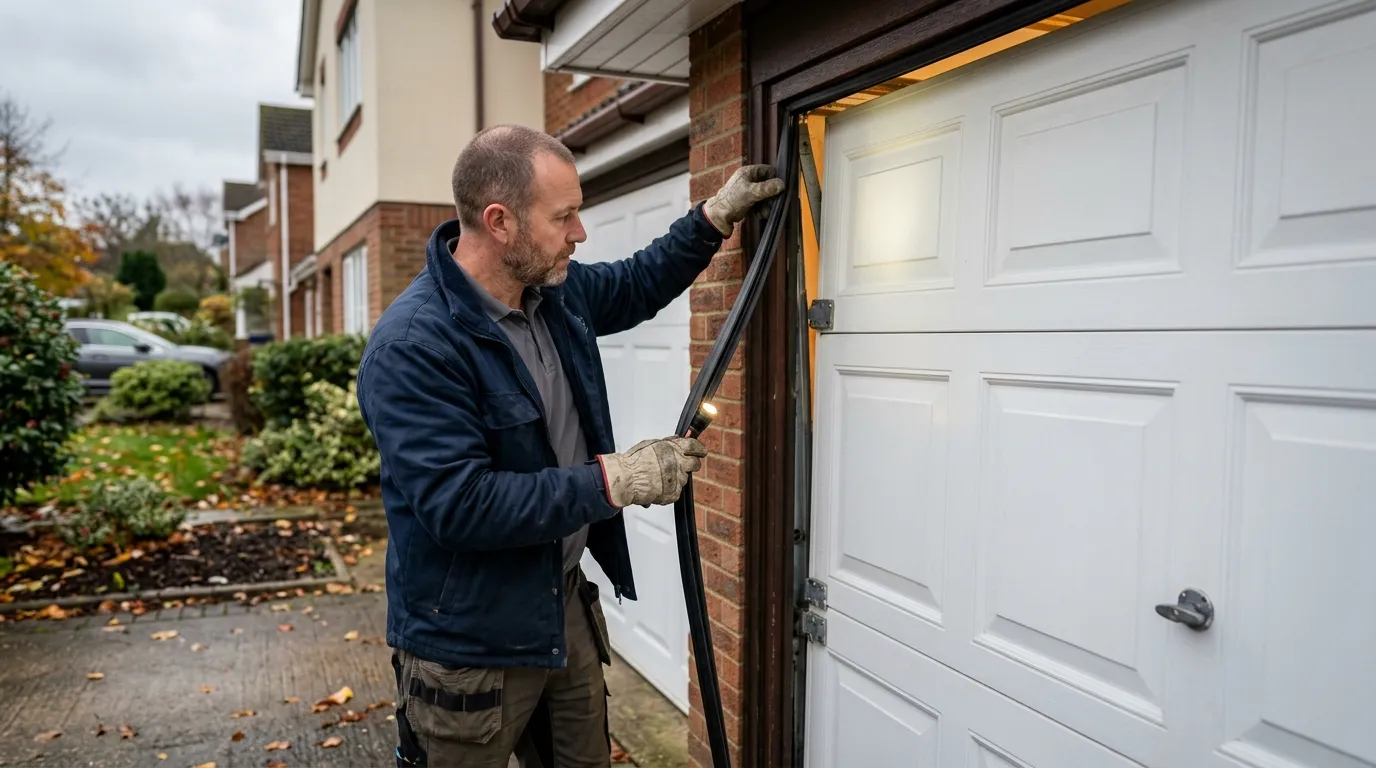
Most houses in Rigby went up around 1978, give or take a few years on either side. That's a decade after a lot of the stock we see closer to Idaho Falls, and it matters for spring work because the hardware standard shifted through the 60s, 70s, and into the 80s. A late-70s door in Rigby is more likely to have started life on a pair of extension springs mounted along the horizontal track than on a torsion bar over the header. If nobody's swapped the setup since, that's still what we're pulling off the door when we show up. The repair itself is straightforward once we're looking at the actual springs: measure wire gauge, coil length, and wind, then match new springs to the door weight and track geometry rather than guessing off a parts-store bin. On a standard single door that's usually a 45-minute to hour job once we've got the right springs on the truck. Doubles take longer, especially if both springs have gone and the door's been dragging on one side for a while, which stresses the opener and the tracks too.
Why This Fails Locally
Idaho's winter is the actual driver here, not the door age by itself. Cold, dense air makes the springs work harder to lift the same door weight, and the metal itself gets more brittle in sustained low temperatures. A spring that's been slowly losing tension all year tends to finally let go on the first hard cold snap, not in July. Add in a Rigby household base of just under 2,000 homes clustered mostly around that mid-70s build window, and you get a pretty consistent failure pattern: extension springs that have been stretched past their rated cycle count, on doors that were never upgraded to torsion hardware. The steel gauge on doors from this era also runs lighter than what's sold new today, so the door itself flexes more under an unbalanced spring load, which speeds up wear on rollers and hinges too. None of this is unique to any one house - it's the era talking, and Rigby's housing stock is thick with it.
Where This Job Goes Sideways
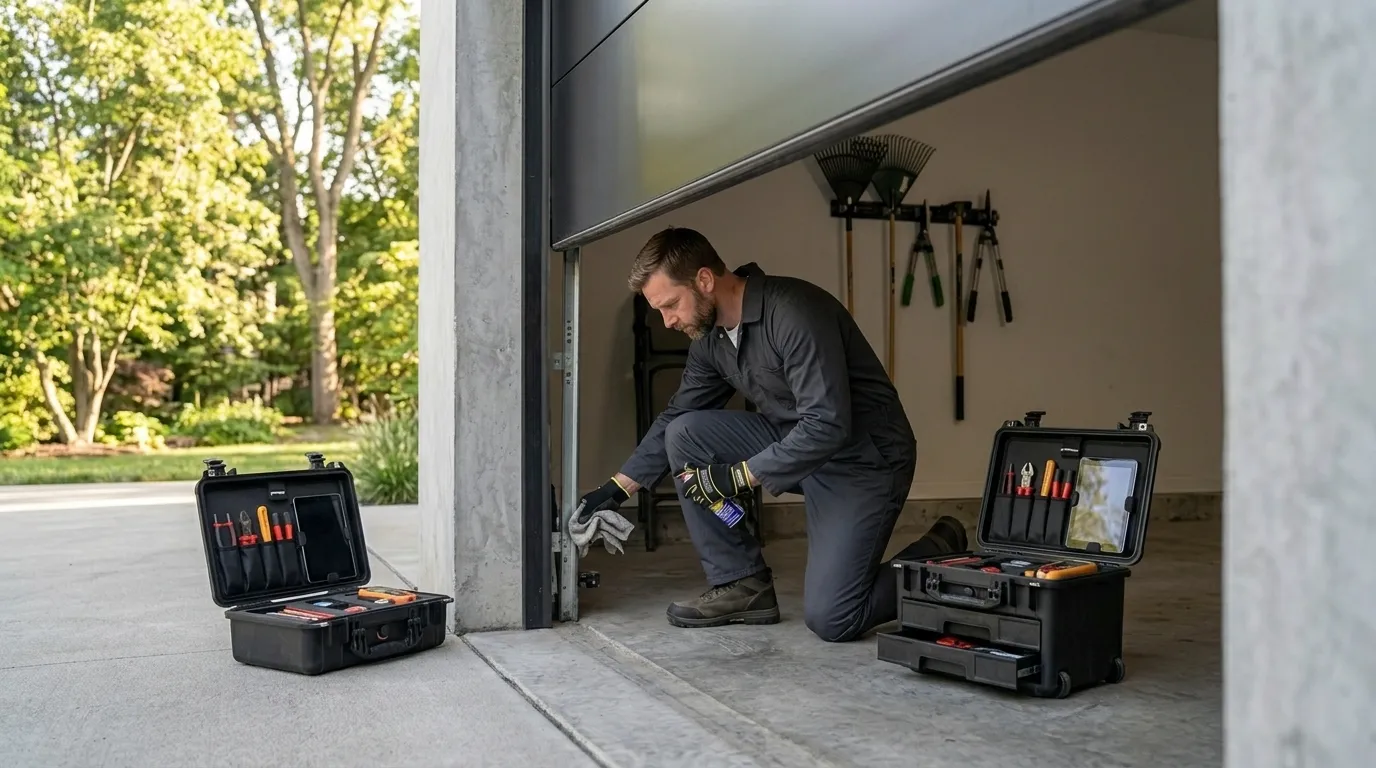
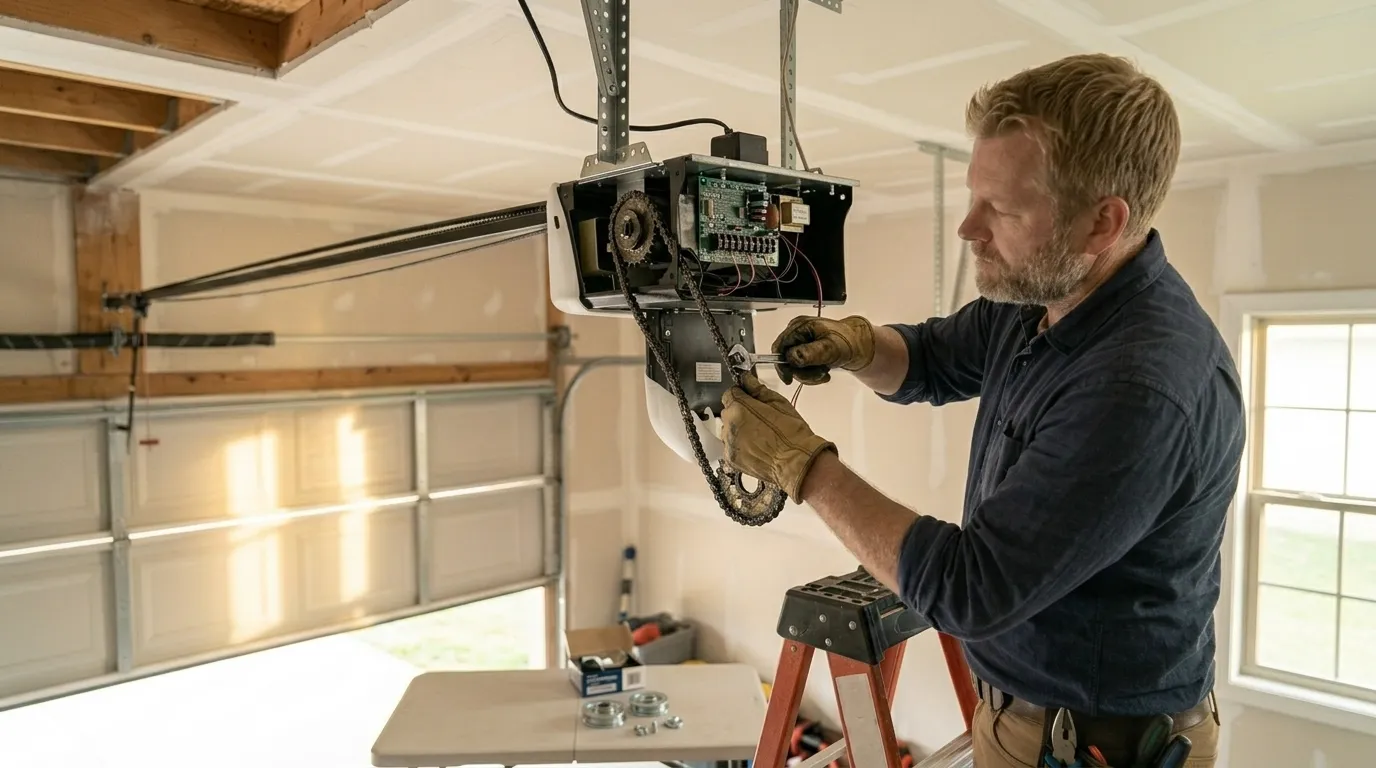
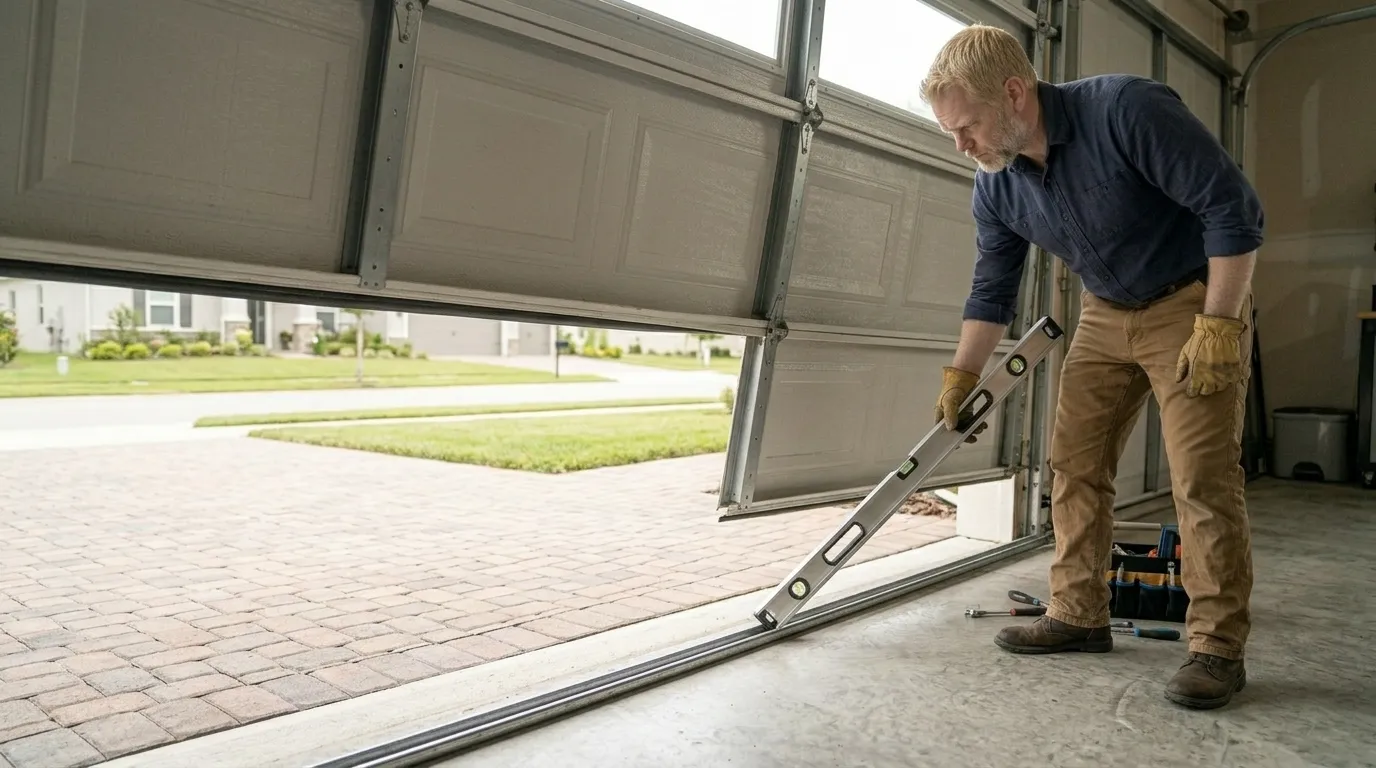
The most common mistake we see on a Rigby call is a homeowner who's already tried to release the spring tension themselves with the door still loaded, or who's disconnected the opener without first securing the door open. Winding bars and vise grips exist for a reason - a spring under full tension that slips off a bar or a clamp can take a hand or a face with it. The other way this goes sideways is age-related: on a door pushing 45 years old, the spring failure is sometimes the symptom, not the problem. If the track is bent, the rollers are shot, or the panels are rusted through at the bottom, a new spring on old rot just moves the next failure a few months down the road. We'll say so on site rather than quote a spring job on a door that needs more.
Doing It Yourself
We're not going to pretend a torsion spring swap is a good weekend project - the tension involved has put people in the ER, and we don't do the calculation for a homeowner over the phone. Extension springs are lower-risk if you've got the winding bars and know the drill, but on a door this old, half the fasteners are rusted and the pulley or cable might go next if you're not looking for it. If you want to check before calling: unplug the opener and try lifting the door by hand. It should move smoothly and stay roughly where you put it. If it slams down or you can barely lift it, that's a spring problem, and it's not a DIY afternoon.