What the Repair Takes
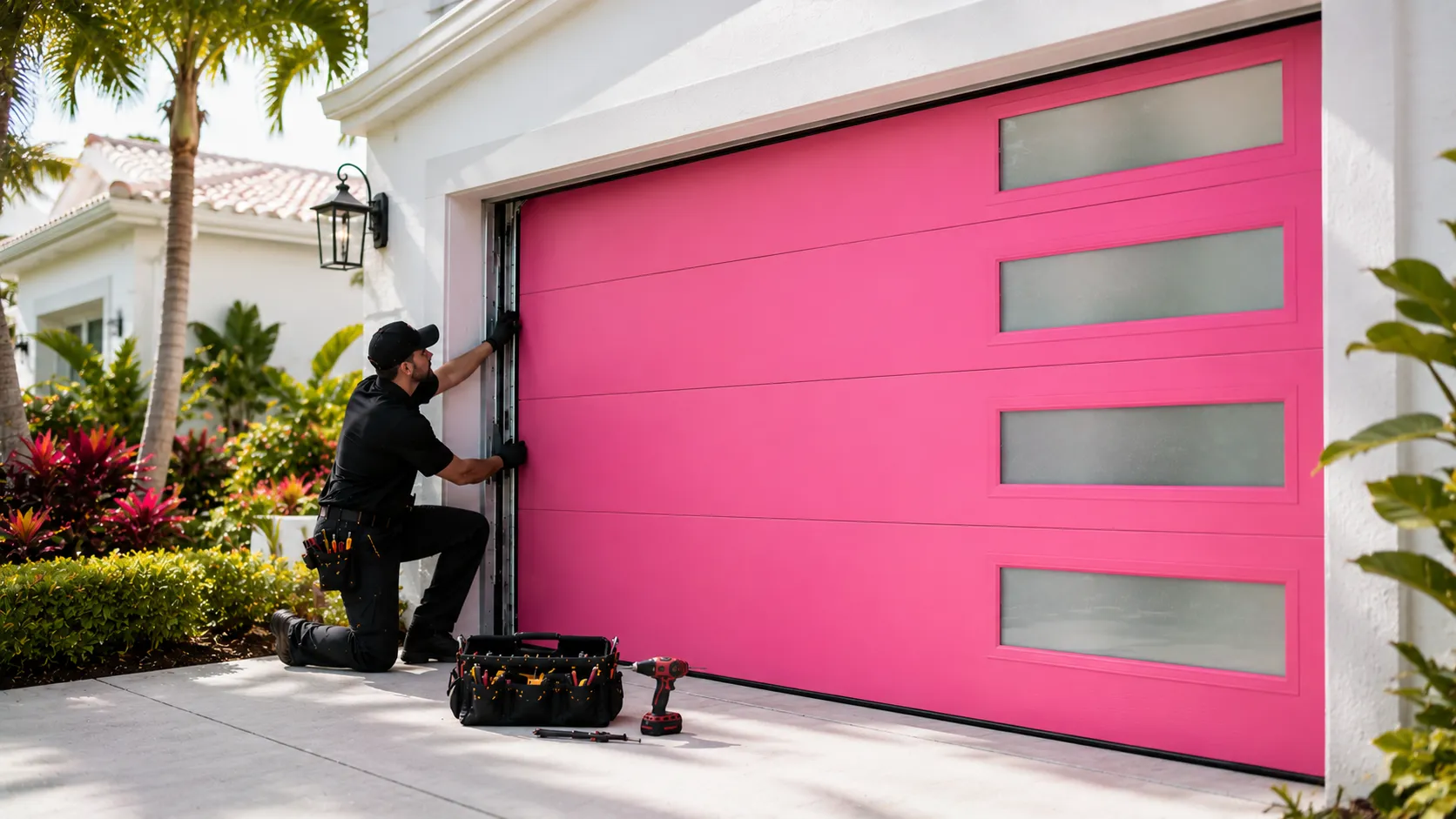
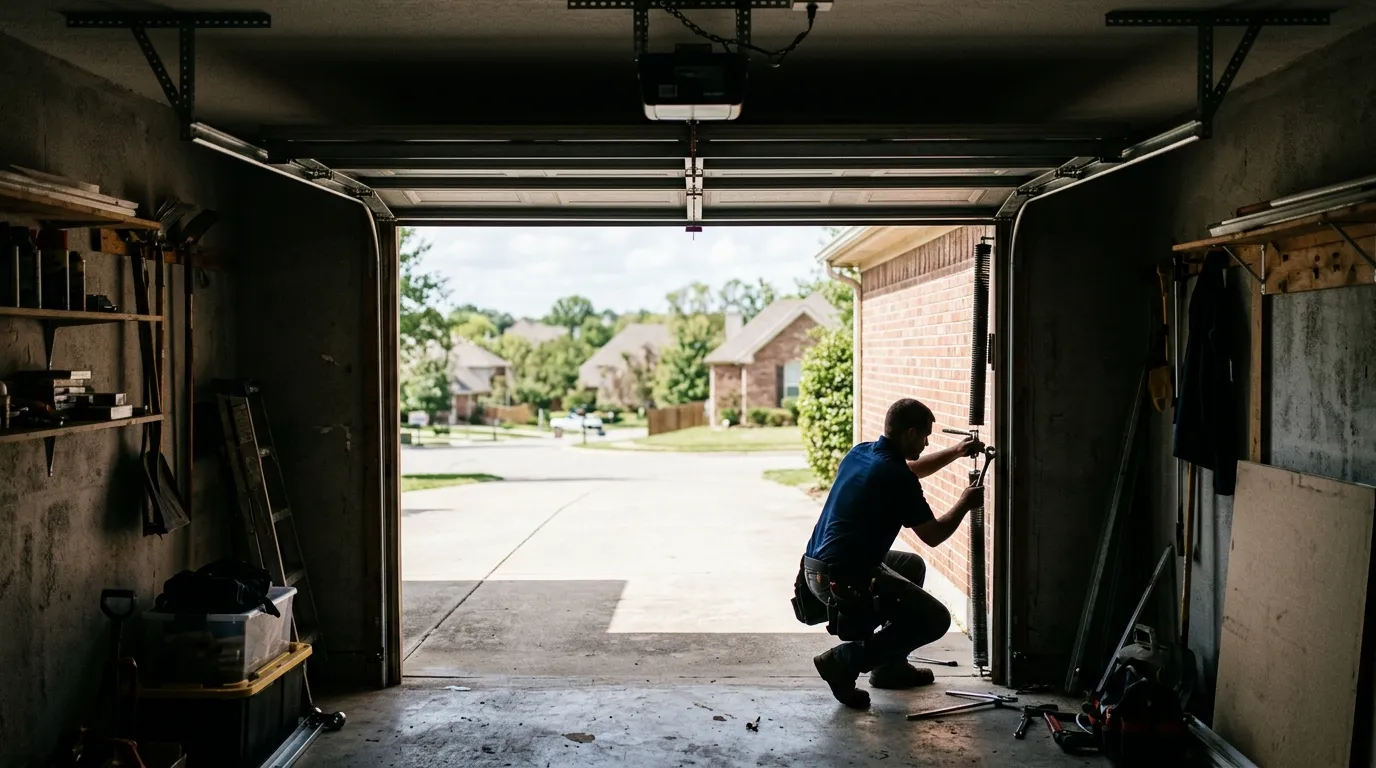
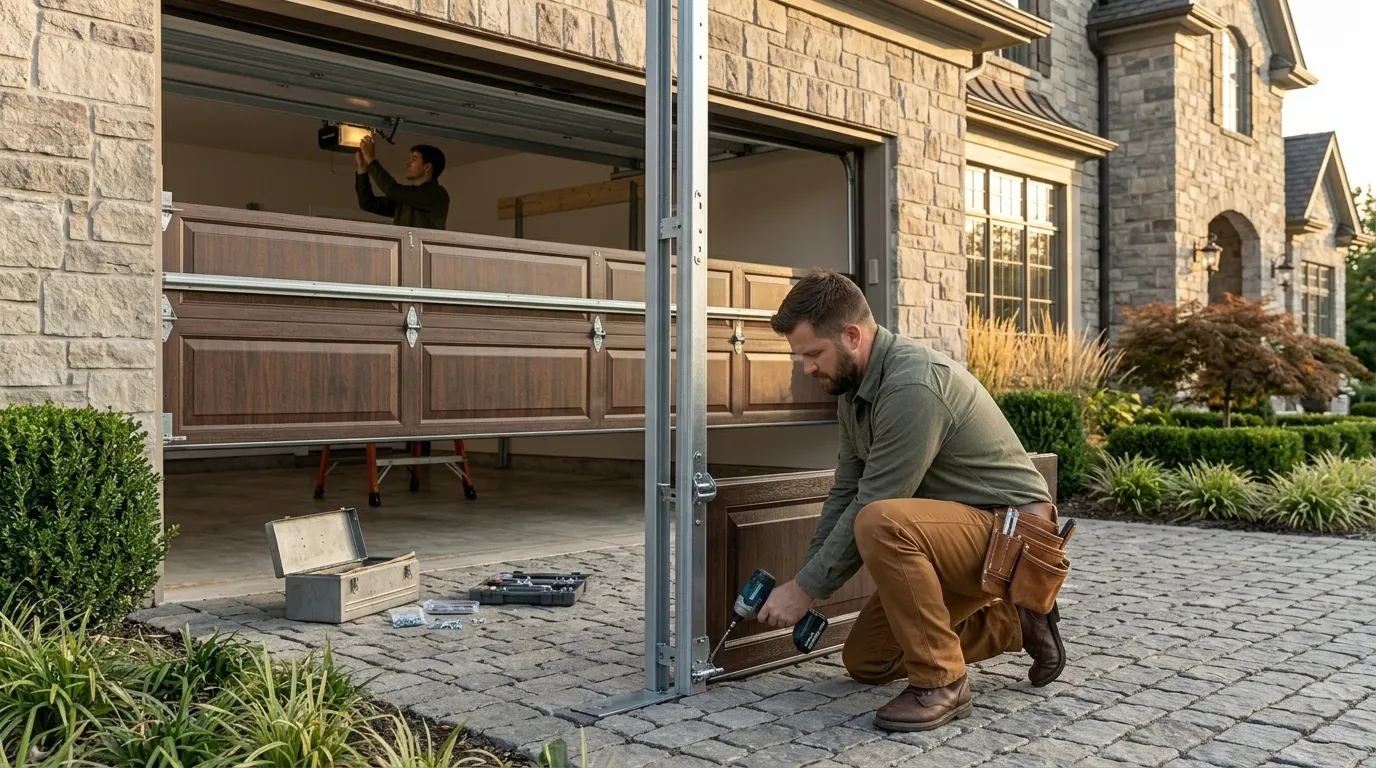
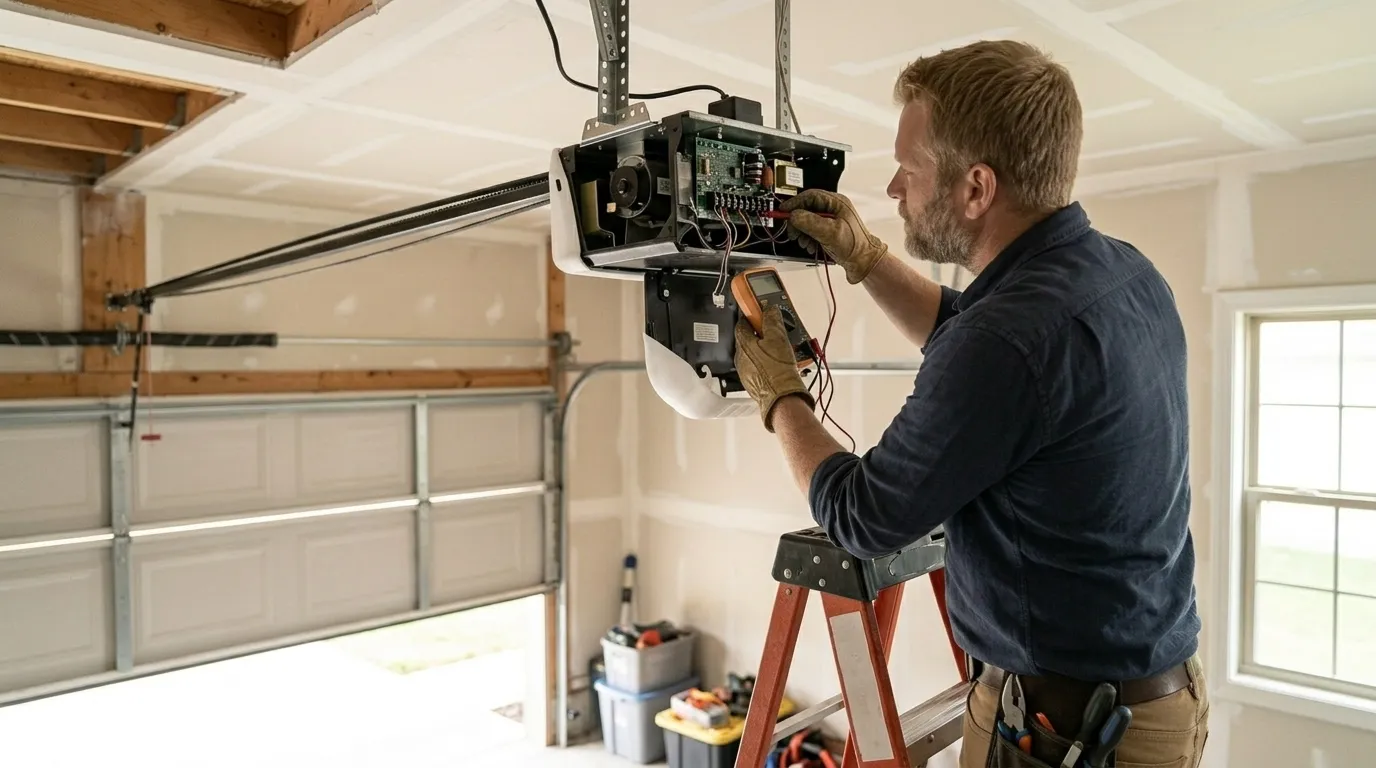
The typical house in Rigby went up around 1978, and the garage door on it is usually the original steel or wood panel door sized for the openers sold at that time - a lightweight chain-drive unit rated for a door that weighed less than what's often hung on it now if a heavier insulated replacement went in at some point without a motor upgrade to match. Installing a new opener here isn't just bolting a unit to the ceiling. It means checking the header for a mounting point built to a 1970s framing spec, confirming the door's actual weight against the new opener's horsepower rating, and running a safety-sensor pair that the original build never had. We come out from Idaho Falls, 14 miles away, with the opener sizes and mounting hardware that match this era of construction rather than a one-size kit off a shelf. Some houses have already had a door swap without updating the drive train underneath, which changes what we bring on the truck. We ask about the door's age and any past replacement before we quote the job, because guessing wrong on horsepower means a return trip.
Why This Fails Locally
Idaho's winters put real load on an opener that was never rated for cold-soaked steel. In this climate band - classified severe cold - grease inside a 1970s-spec gearbox thickens, chain tension changes with temperature swings, and a motor sized for a mild-climate door works harder here every winter for years before it finally strips a gear or burns a capacitor. Houses built around 1978 in this area often still run the original drive unit, one that's outlasted its expected service life mostly because nobody's opener fails all at once. It slows down, then it hesitates on cold mornings, then one day it doesn't respond to the remote at all. That gradual failure is why so many opener calls out here aren't emergencies - they're the fourth winter of a motor everyone kept meaning to replace.
Where This Job Goes Sideways
The header above the door is the usual surprise. Framing methods from the late 1970s don't always give you a solid mounting point in the spot a modern opener bracket wants, and reinforcing it takes longer than the opener swap itself. The other common snag is a door that's heavier than it looks - if panels were replaced with insulated steel at some point but the opener wasn't upgraded to match, the new unit we're installing gets sized wrong unless we weigh the door first, not guess from the outside. We won't install a full-horsepower opener on a door with a cracked or sagging track section; that gets fixed first, or the new motor just burns out chasing a door that's already fighting itself.
Doing It Yourself
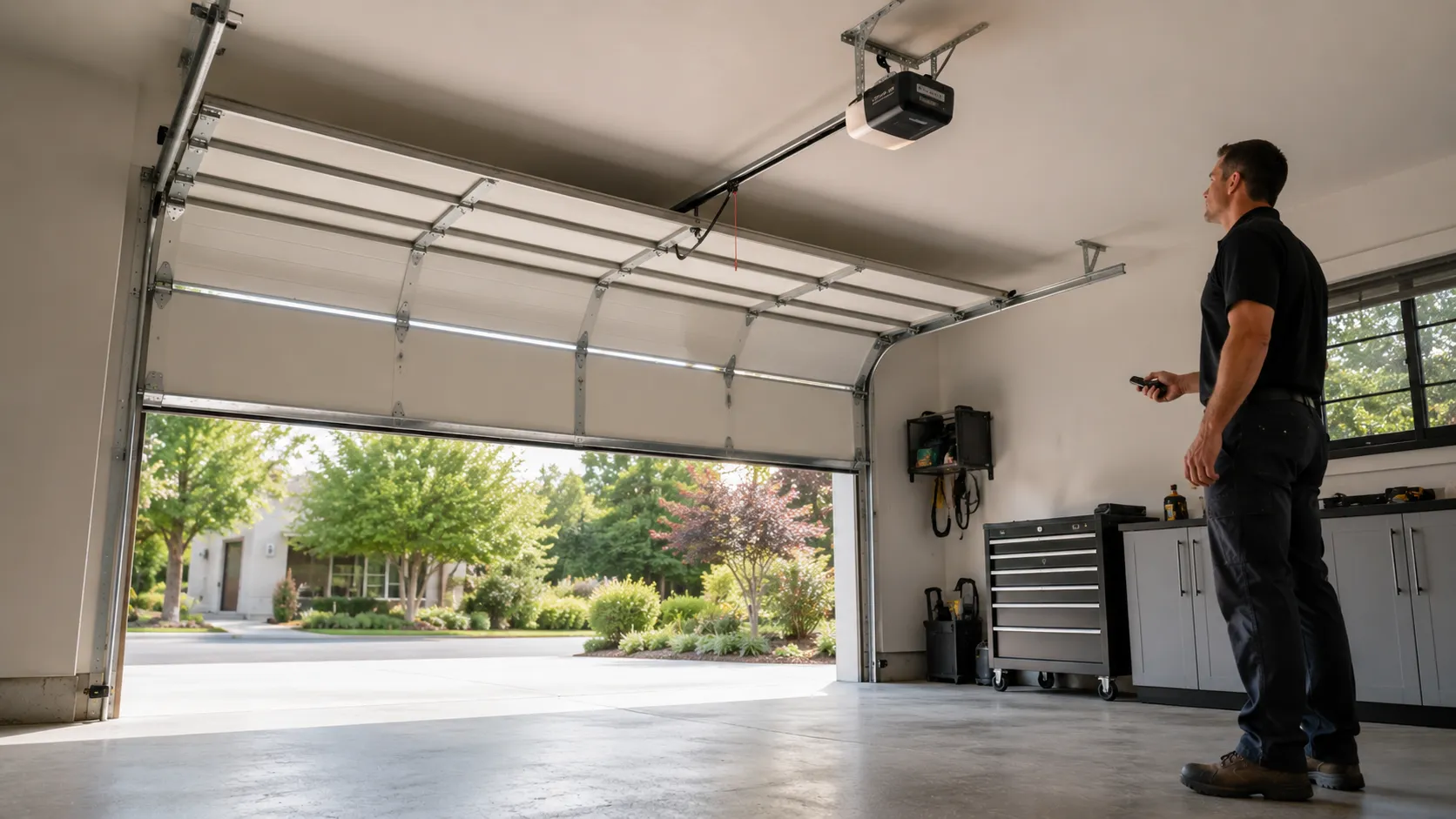
A retail opener kit will bolt into most garages the same way anywhere, and if the header's sound and the door's weight matches the box, a homeowner can do the mechanical part. Where people get stuck is the sensor alignment and the force-limit setting - both matter more in cold-soak conditions than the instructions suggest, and a badly set force limit on a door that's already working harder against winter grease is how you get a reversing door that won't close at all. If your house is one of the roughly 1,958 households in this area still running an opener original to a 1978-era build, we'd rather talk through what you're looking at before you buy the wrong horsepower.