What the Repair Takes
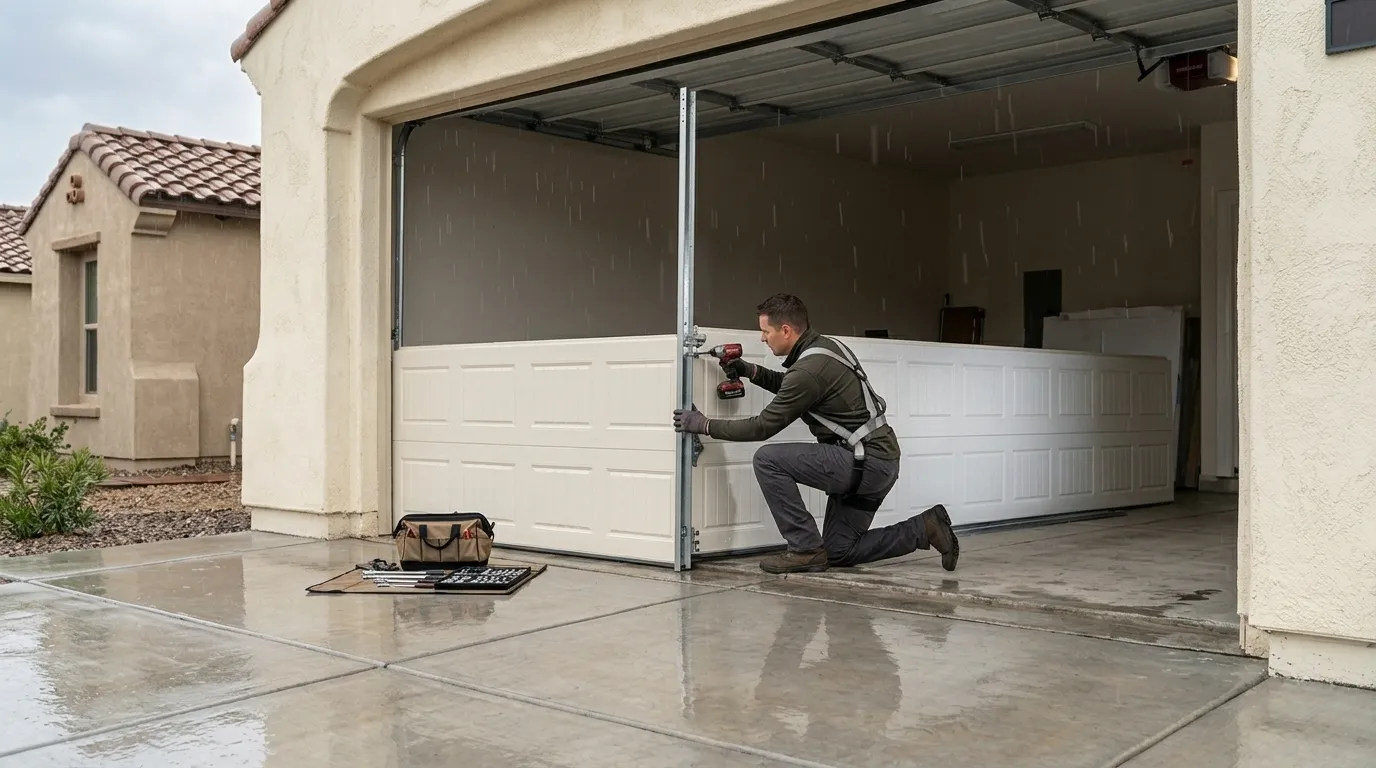
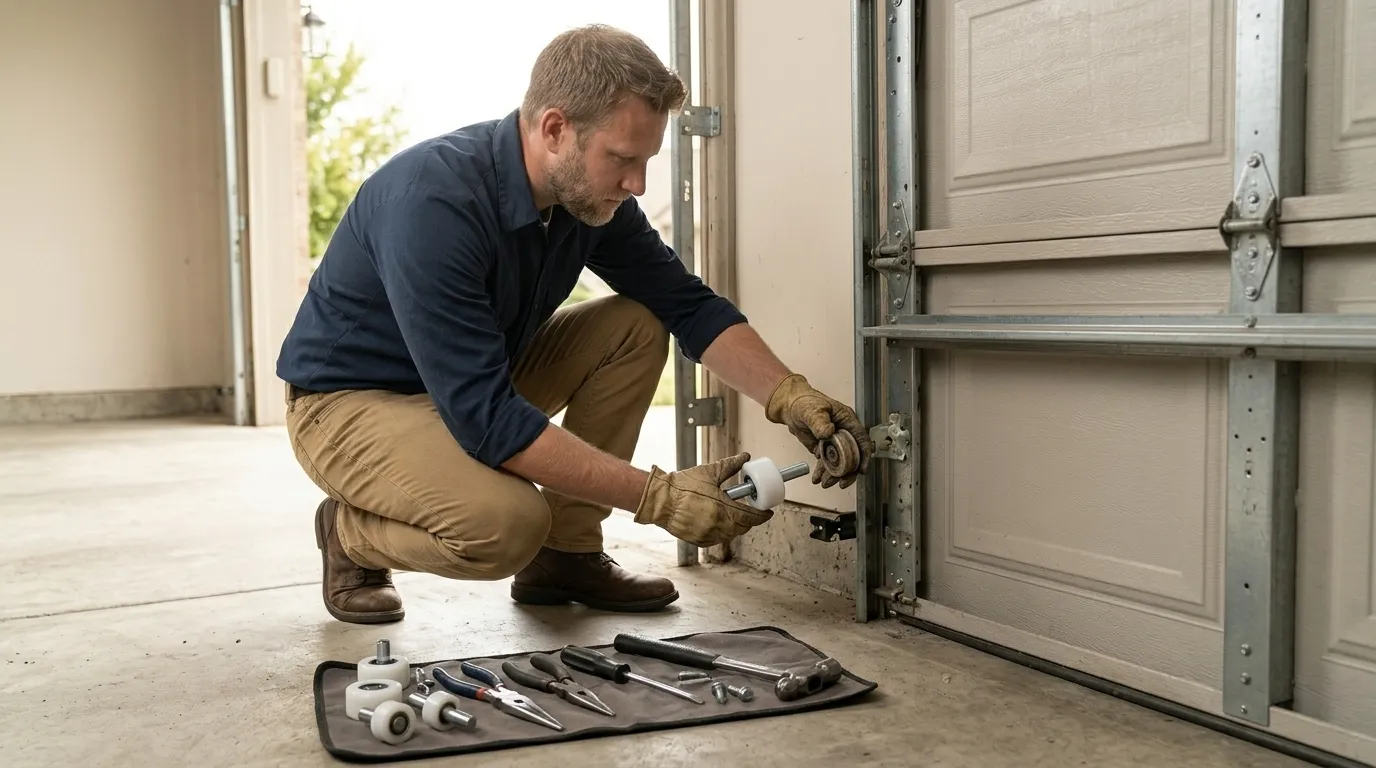
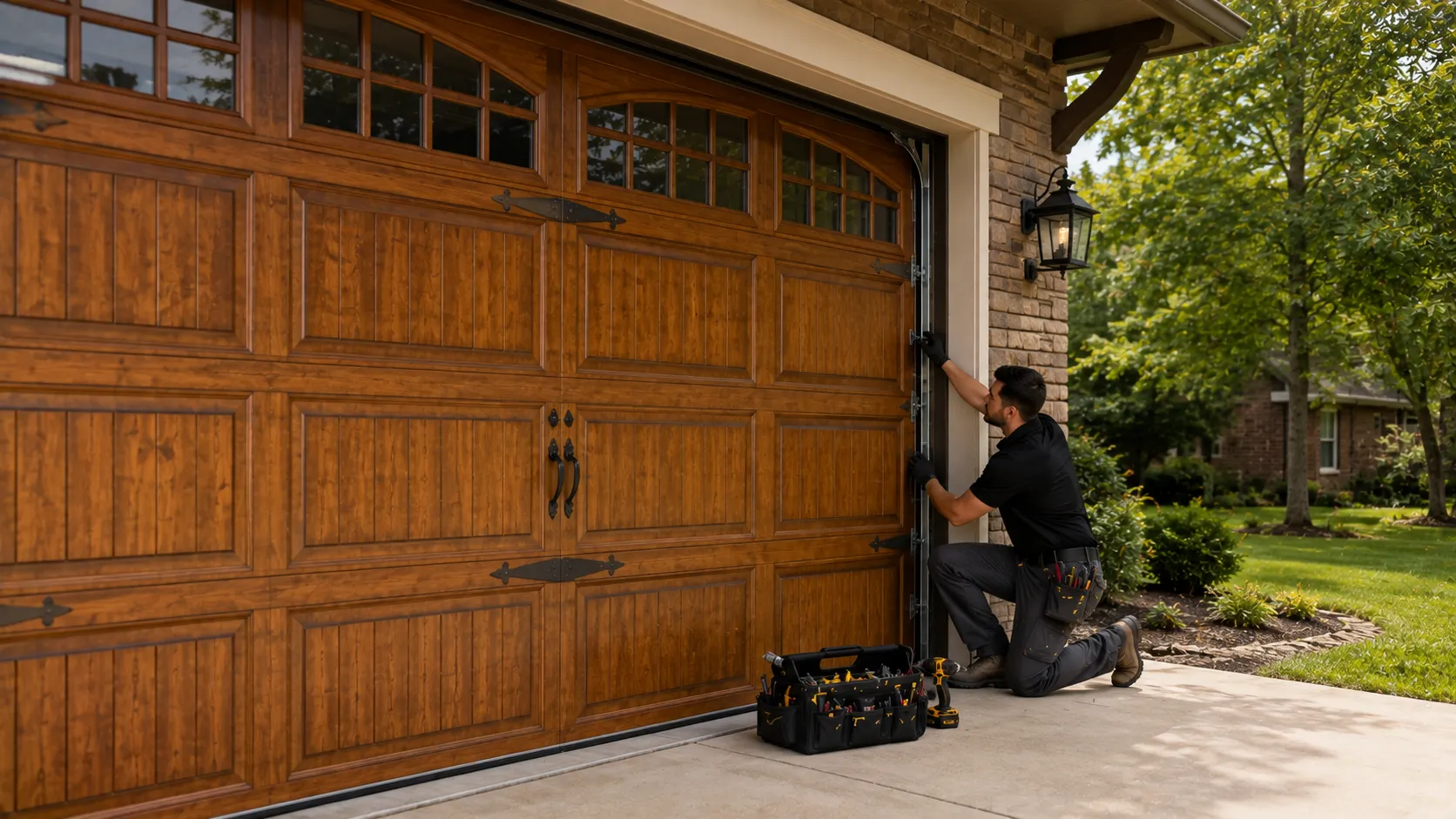
Most maintenance calls in Rigby start the same way: a door that used to roll up quiet now grinds, hesitates, or drops the last six inches. The fix usually isn't the opener. It's the track alignment, the roller condition, and whether the torsion spring still has the tension it had when the house was built.
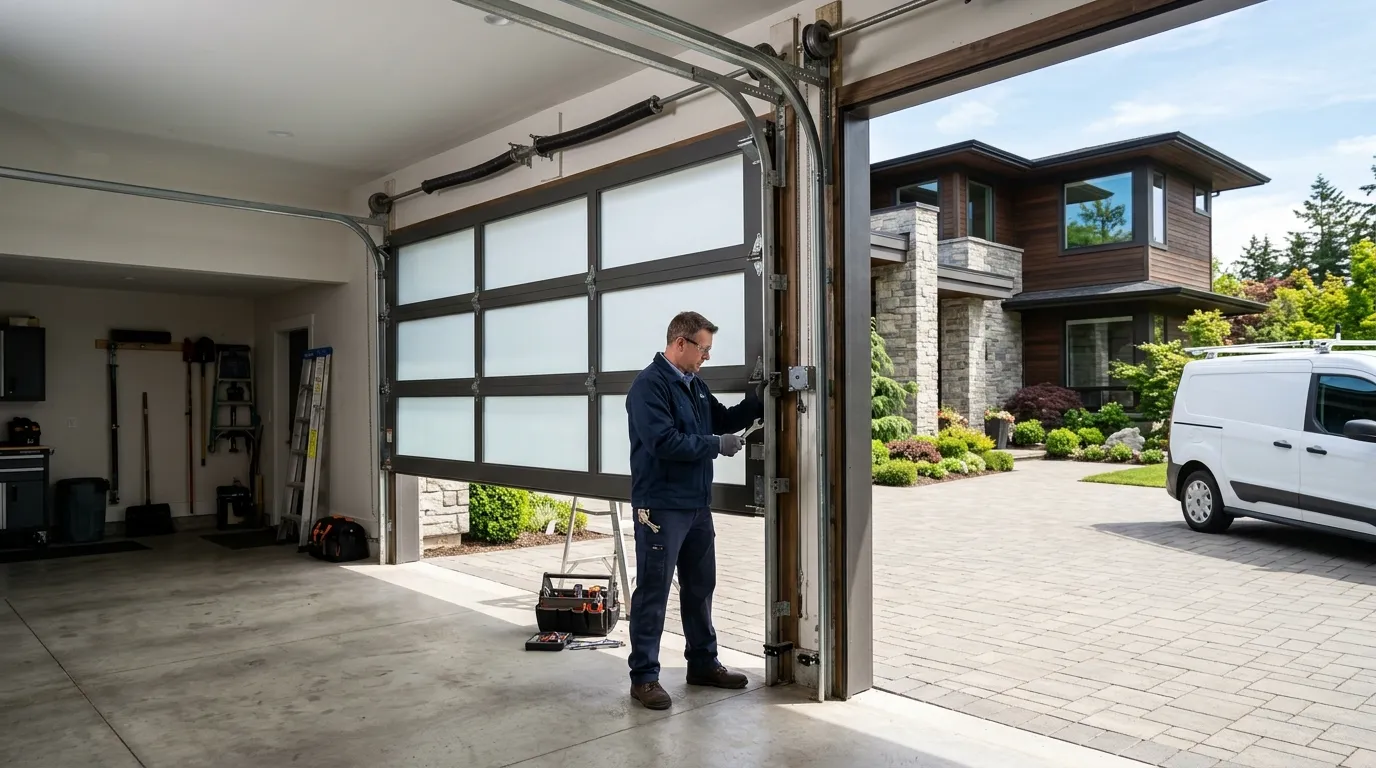
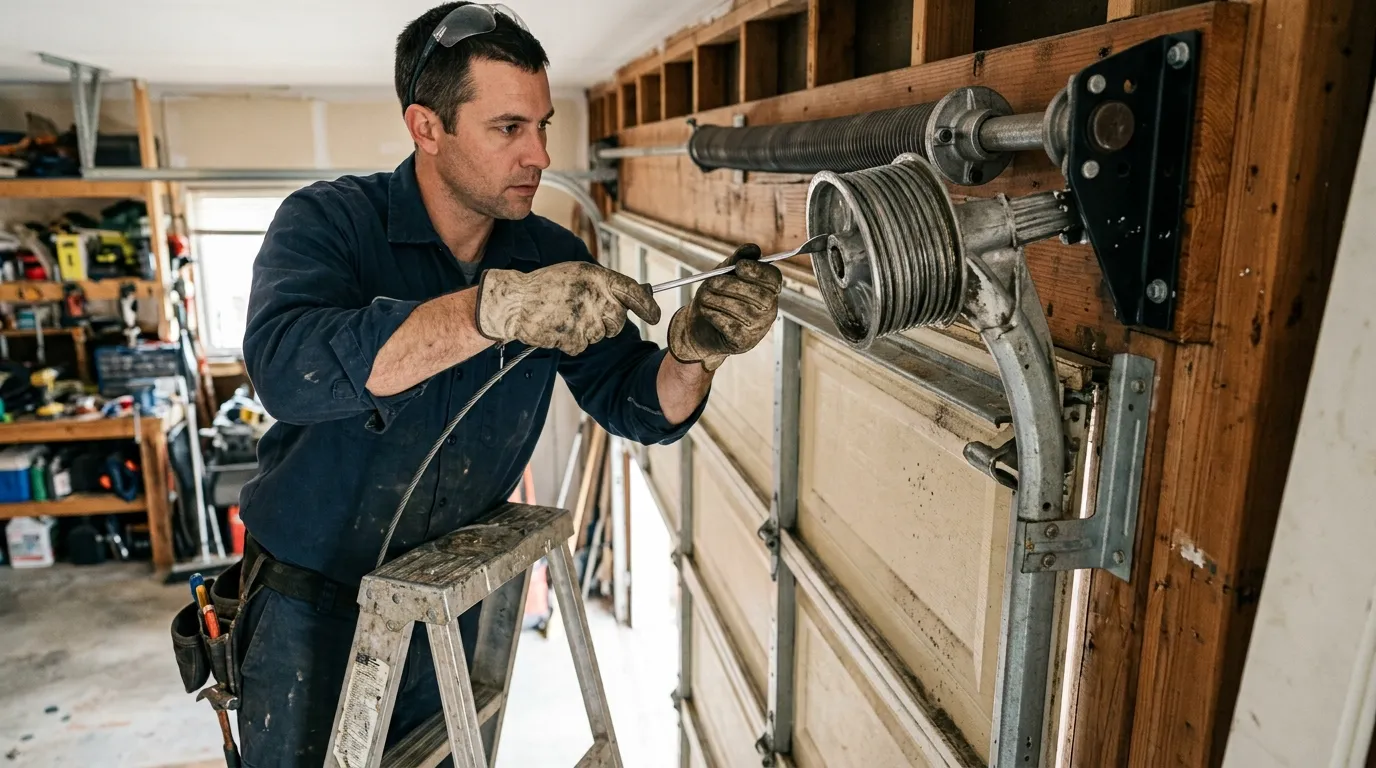
Rigby's housing stock centers on 1978, which puts a lot of these doors right at the point where original hardware starts failing for good. A door installed when the house went up is now pushing 45+ years old. That's past the service life of steel rollers and painted springs, even ones that were maintained. A tune-up here means checking whether the hardware is worth adjusting or whether it's at the end of the line - we tell you which, and we don't run up a bill tightening bolts on a spring that's about to snap.
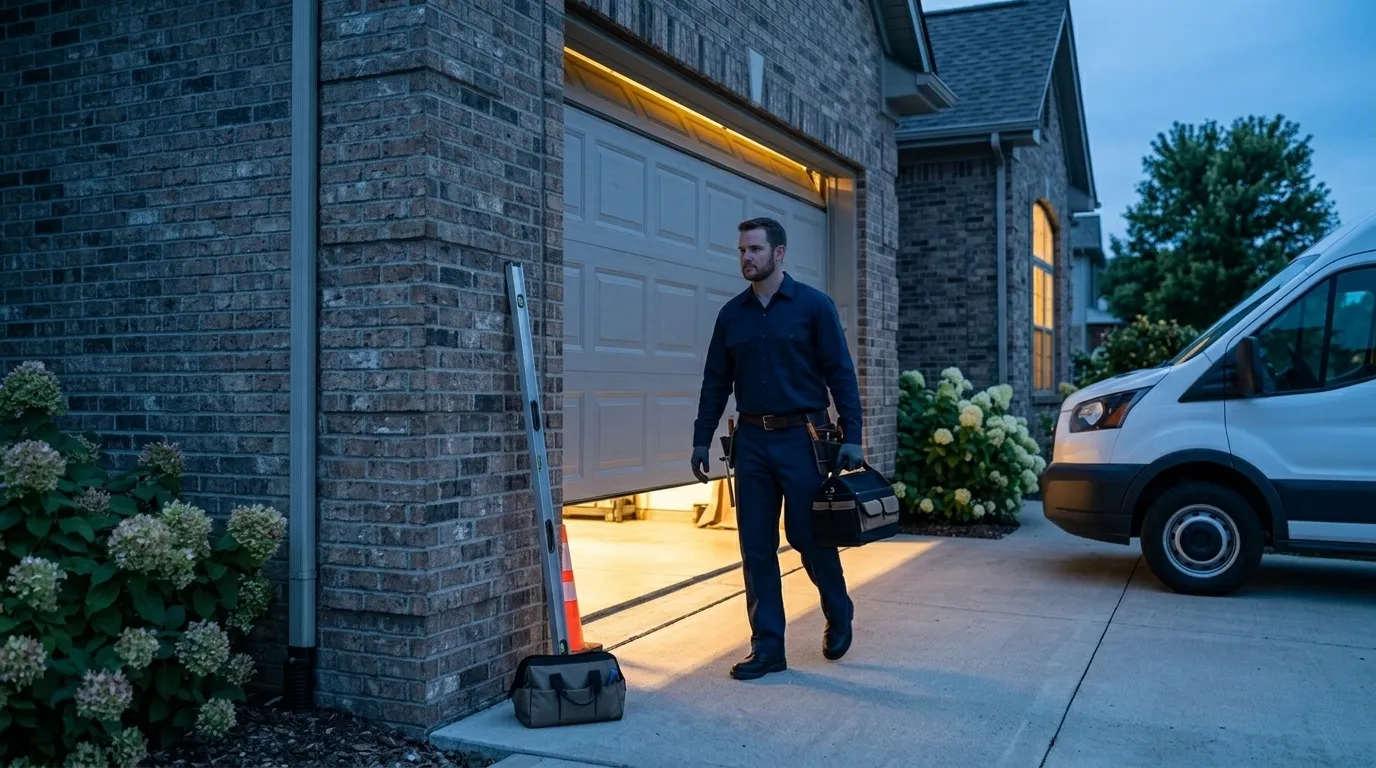
We come from Idaho Falls, about 14 miles out, so we bundle the diagnostic and the fix into one visit when we can. That's worth knowing before you schedule - if a part isn't on the truck, it's a second trip.
Why This Fails Locally
A garage built around 1978 was framed for the codes and materials of that era - lighter tracks, single torsion springs sized for lighter doors, and steel that wasn't galvanized to today's standard. In a cold-climate area like this one, that steel corrodes from the inside of the track out, not just on the visible face. You get binding that looks like a motor problem but is actually a rail that's narrowed by rust.
With 1,958 households in this pocket of the service area, a good number of them are sitting on hardware from that same build window. That's not a coincidence - it's a whole subdivision cycle hitting the same failure point within a few years of each other. When one neighbor's spring goes in January, it's worth checking yours before it happens mid-storm.
Where This Job Goes Sideways
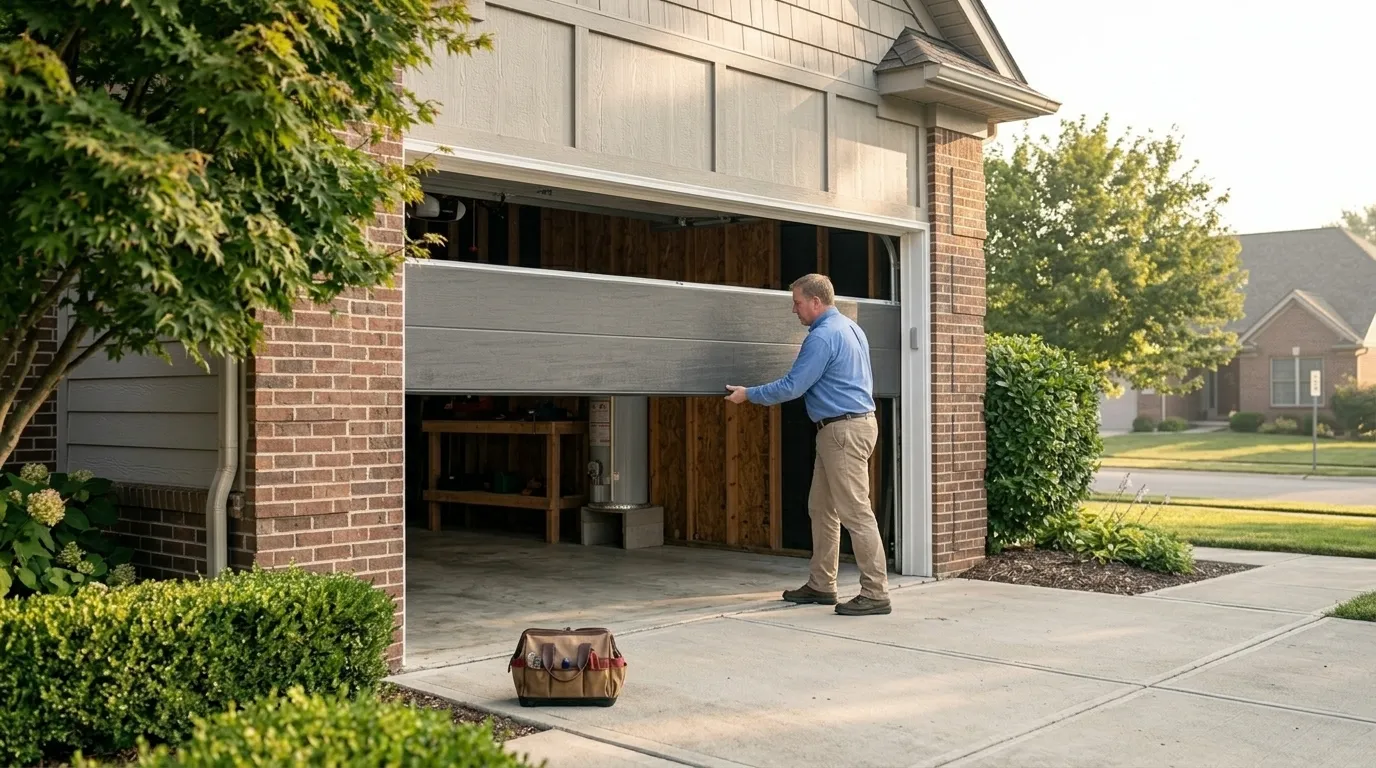
The usual mistake is treating a stiff door as an opener problem. Homeowners replace the opener, the door still drags, and now they've spent money on the wrong fix. If the door doesn't move smoothly by hand with the opener disconnected, the opener was never the issue.
The other place this goes wrong is spring tension on older torsion hardware. A spring from the 1978 era wound to the door's original weight can be dangerously off if the door's been reskinned or insulated since - heavier door, same old spring, more strain than the hardware was built for. That's not a DIY adjustment. Torsion springs store enough force to break a bone or worse if the winding cone slips.
Doing It Yourself
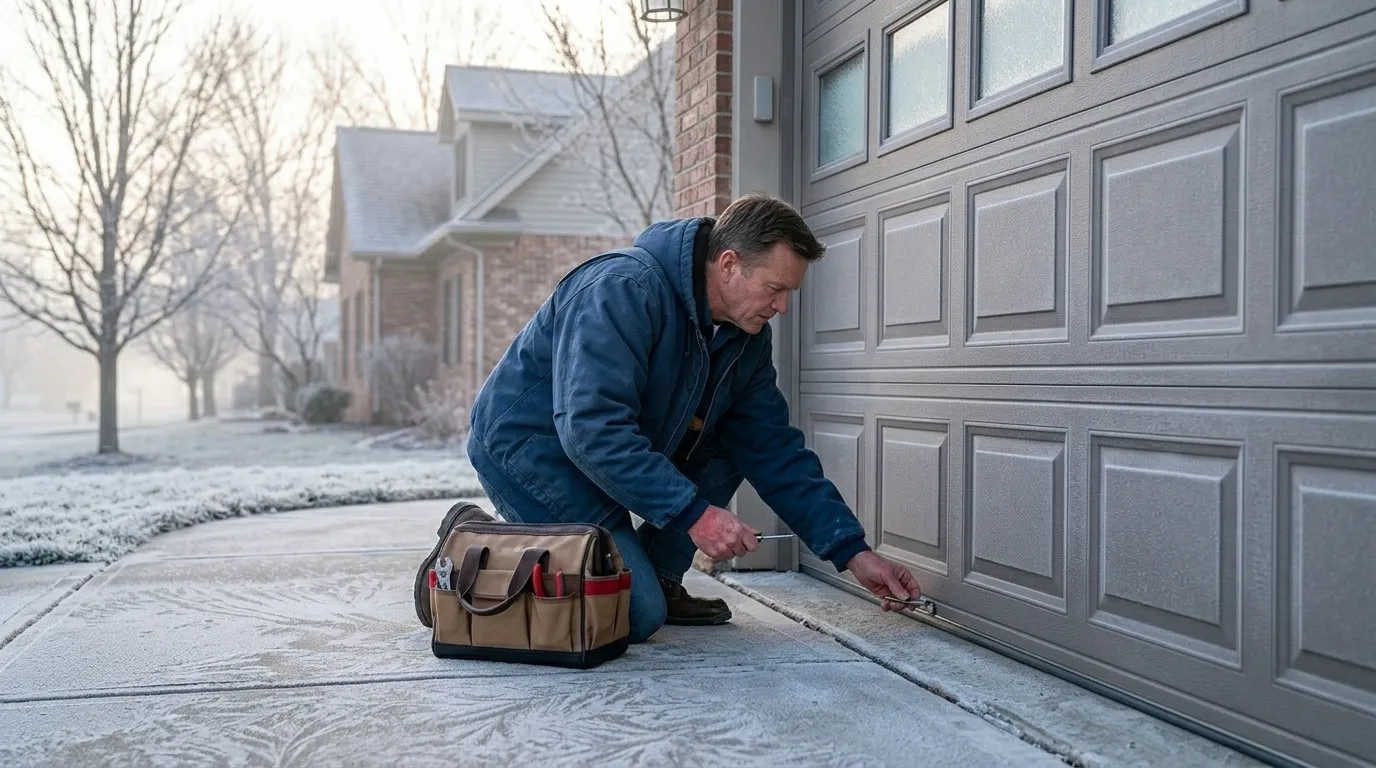
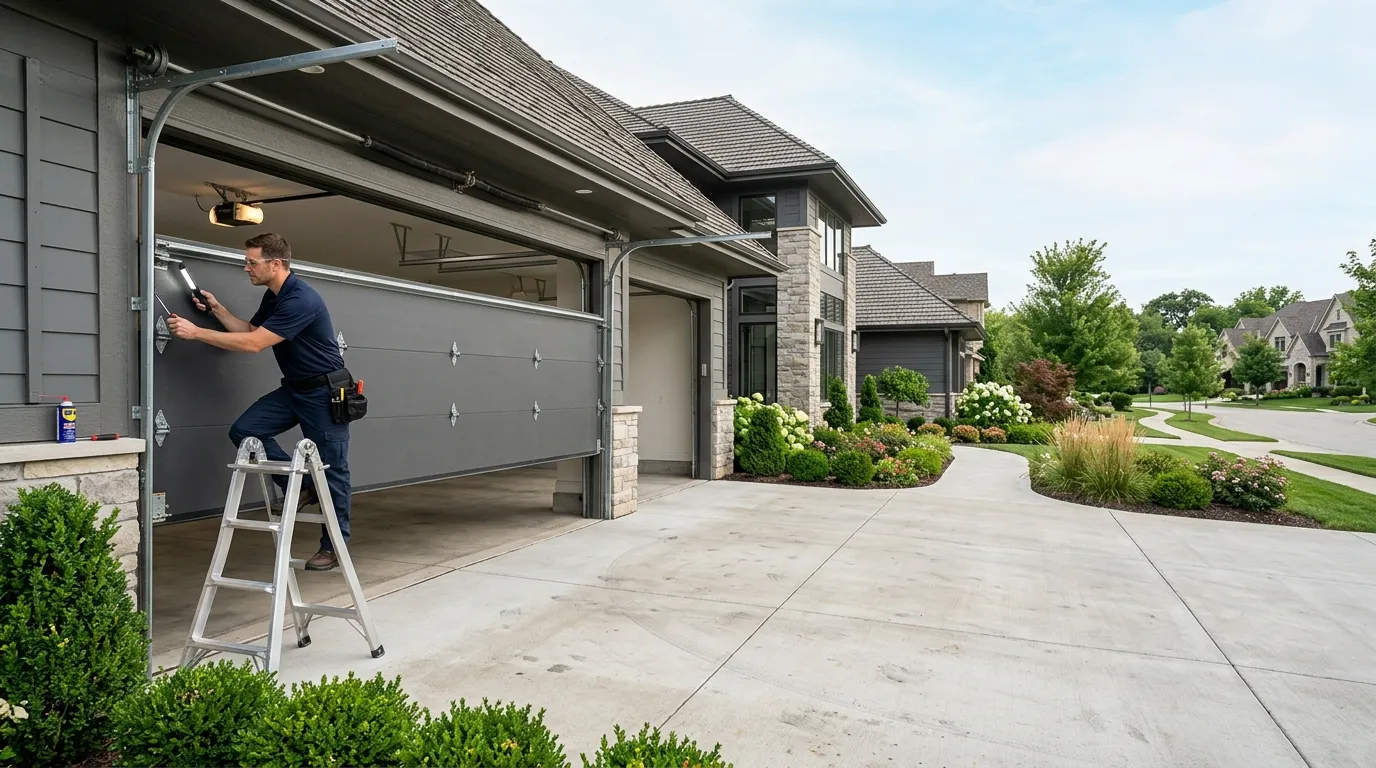
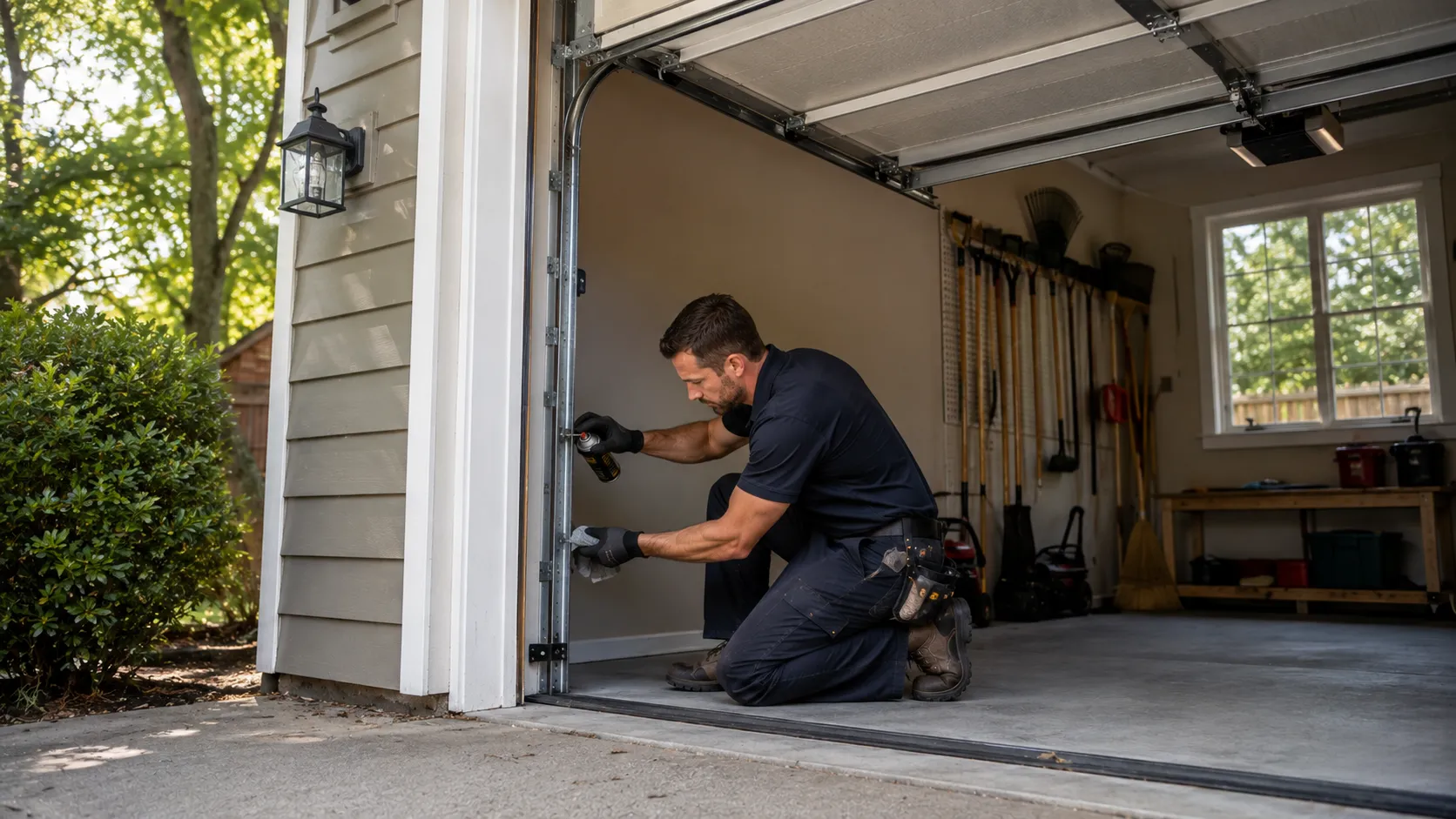
Lubricating hinges and rollers, checking the weatherstrip at the bottom of the door, and wiping down the track are all fine to do yourself, and they matter more here than in a milder climate because cold makes any grit in the track bind harder. Wipe the tracks clean before winter, not after the door's already sticking.
What you shouldn't touch: the torsion spring itself, the cables under tension, or anything involving the winding cones. On a door this old, the hardware may not react the way newer stock does, and there's no way to know its exact condition without hands-on inspection. If the door is hard to lift by hand with the opener disconnected, that's a spring-tension call, not a weekend project.